The Intersection of Architecture and Masonic Art
Architecture stands as a profound expression of Masonic art, weaving symbolism into its very fabric to communicate the philosophical and spiritual ideals of freemasonry. At its core, Masonic art employs a rich tapestry of symbols derived from the tools and legend of stonemasons, and architecture serves as the grand stage upon which these symbols are brought to life. Buildings and structures inspired by Masonic principles are not merely functional spaces but enduring testaments to the craft’s values and mysteries.
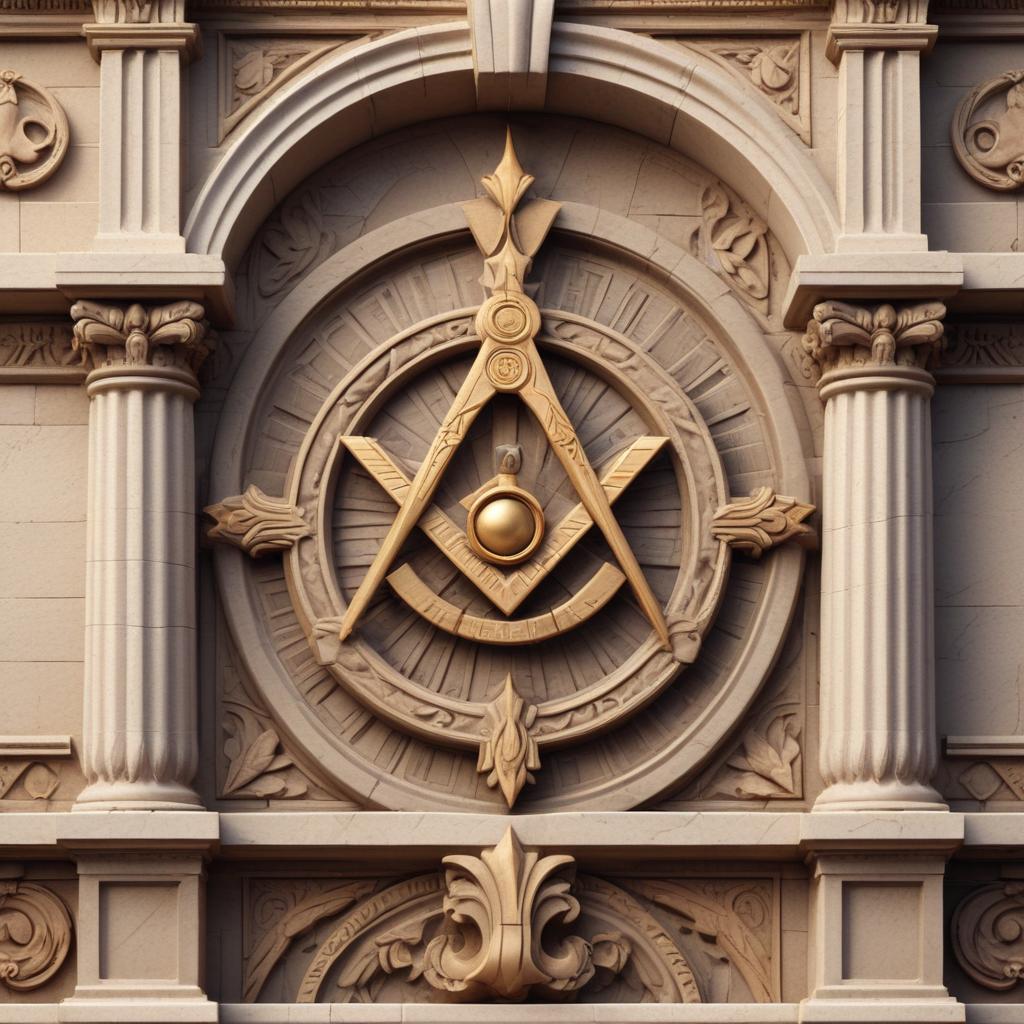
Symbolism is the cornerstone of the intersection between architecture and Masonic art. Many architectural designs incorporate Masonic symbols such as the square and compass, the all-seeing eye, columns representing the pillars Boaz and Jachin, and the intricate geometric patterns that reflect the order and harmony prized in freemasonry. These elements are carefully placed not just for aesthetic appeal but to convey deeper meanings about morality, wisdom, strength, and the journey of self-improvement that freemasonry encourages.
Historically, the connection between architecture and Masonic art can be traced back to the origins of freemasonry itself, which emerged from the guilds of medieval stonemasons and cathedral builders. These master builders guarded their trade secrets not only in their practical work but also through allegorical art and symbolic design. Hence, many Masonic lodges and temples are designed with architectural features reminiscent of sacred geometry and ancient building techniques, echoing the legacy of these early craftsmen.
Moreover, architecture as a medium allows Masonic art to transcend time, as the buildings embody the philosophical teachings of freemasonry in a tangible form. Masonic architecture becomes a silent yet powerful narrative, inviting observers to explore the symbolism embedded within the walls and façades. It is this blending of symbolism, craftsmanship, and historical lineage that positions architecture not just as a physical art form but as a profound expression of Masonic art, connecting the practical with the spiritual in a unified vision.
Symbolism in Masonic Architecture
Masonic architecture is deeply infused with a rich tapestry of masonic symbols that hold profound meaning within Freemason traditions. These symbols and signs are not merely decorative elements; they serve as a visual language that conveys the core philosophical and moral teachings of the fraternity. One of the most prominent architectural symbolism elements is the square and compasses, which signifies the importance of morality, virtue, and the balance between earthly and spiritual pursuits.
Another key freemason sign frequently seen in Masonic buildings is the all-seeing eye, symbolizing divine watchfulness and the omnipresence of a higher power who oversees justice and truth. The pillars that often grace entrances and interiors of Masonic lodges, such as the pillars Boaz and Jachin, represent strength and stability, grounding the structure both physically and symbolically in wisdom and endurance.
The use of checkerboard floors, symbolic of the duality of human existence—good and evil, light and darkness—is an essential piece of architectural symbolism designed to remind initiates of life’s moral complexities. Other symbols, like the trowel and plumb line, emphasize the importance of building one’s character with precision, care, and fairness. Together, these masonic symbols embedded in architecture communicate a layered meaning, inviting contemplation and reflection on personal growth, ethical conduct, and the broader mysteries embraced by Freemason traditions.
Historical Context of Masonic Architectural Styles
Masonic history is deeply intertwined with various architectural styles that have evolved alongside the development of freemasonry itself. From the earliest lodges to the grand temples seen today, these buildings serve as a physical testament to the rich heritage and symbolic traditions of the fraternity. The architectural styles of Masonic buildings often reflect the era and cultural influences at the time of their construction, highlighting the freemasonry evolution through centuries.
During the 18th and 19th centuries, classical architectural styles such as Georgian and Neoclassical were predominant in Masonic structures. These styles were chosen for their emphasis on symmetry, proportion, and the use of classical orders, which symbolically resonated with Masonic ideals of harmony and balance. Many historical buildings from this period showcase grand columns, pediments, and intricate stonework that communicate a sense of permanence and tradition.
As the movement expanded globally, Gothic Revival also left its mark on Masonic architecture, particularly in Europe. This style introduced pointed arches, stained glass windows, and elaborate ornamentation into Masonic temples, creating an aura of mysticism and reverence that aligned with the symbolic nature of freemasonry. These historical buildings often draw on medieval craftsmanship to evoke a connection to the ancient origins that freemasonry values deeply.
In the 20th century, Modernist influences began to appear in Masonic architecture, reflecting contemporary design trends while still incorporating key symbolic elements. This transition demonstrates the adaptability of freemasonry, maintaining its core principles even as architectural styles evolved. Overall, Masonic buildings stand as a diverse architectural legacy, each style offering insight into the historical and cultural context of its time within the broader narrative of masonic history.
Famous Examples of Masonic Architecture
Masonic buildings stand as remarkable examples of architecture that blend symbolism, history, and artistry into their very structure. Around the world, numerous famous lodges and notable Masonic temples showcase this unique architectural heritage, each telling a story of craftsmanship and tradition. These architecture examples reflect the rich tapestry of Masonic ideals through their design, ornamentation, and spatial arrangement.
One of the most iconic Masonic buildings is the House of the Temple in Washington, D.C. This famous lodge is the headquarters of the Scottish Rite of Freemasonry, Southern Jurisdiction. Renowned for its neoclassical style, the building’s massive columns and intricate carvings represent Masonic symbols such as the all-seeing eye and the double-headed eagle. The Temple exemplifies how Masonic architecture can serve as both a functional meeting place and a monument to Masonic philosophy.
Another notable Masonic temple is the George Washington Masonic National Memorial located in Alexandria, Virginia. This temple honors the legacy of George Washington, America’s most famous Freemason. The architecture combines elements of ancient Greek and Roman designs, featuring a towering columned structure that rises above the city skyline. Inside, murals, sculptures, and artifacts create a comprehensive shrine to Masonic history and ideology, making it a must-see architecture example for enthusiasts.
Internationally, the Grand Orient de France building in Paris stands as a prime example of European Masonic architecture. Distinguished by its grand façade and richly decorated interiors, this Masonic building highlights French neoclassical influences fused with Masonic symbolism. Its extensive use of allegorical art and emblematic motifs reinforces the spiritual and philosophical aspirations of Freemasonry expressed through architecture.
Additionally, the Masonic Temple in Philadelphia, Pennsylvania, offers another captivating example of Masonic architecture. Known for its lavish interior adorned with stained glass, murals, and custom furnishings, this temple serves as both a meeting place and cultural landmark. The architectural style combines Gothic and Romanesque features, making it a striking example of how diverse artistic influences are incorporated into Masonic buildings globally.
These famous lodges and notable Masonic temples illustrate the profound connection between Freemasonry and architecture. Each building is a testament to Masonic principles, conveyed through intricate design, symbolism, and artistic detail. As architecture examples, they continue to inspire both members of the fraternity and the wider public, standing as enduring landmarks in the world of architectural art.
Notable Masonic Temples and Their Features
Famous Masonic temples stand as landmark buildings, embodying a unique blend of artistic symbolism and practical architectural elements. These structures are not only meeting places for Freemasons but also intricate expressions of freemason design principles. Distinctive architectural features such as grand columns, elaborate facades often adorned with Masonic emblems like the square and compass, and symbolic sculptures set these temples apart. For instance, large staircases represent the journey of enlightenment, while stained glass windows often depict allegorical stories central to Masonic teachings.
Many Masonic temples incorporate classical architectural styles, such as Greek Revival or Egyptian Revival, linking their design to ancient wisdom traditions revered by the order. The interiors frequently showcase meticulously crafted wood paneling, vaulted ceilings, and ceremonial chambers arranged to reflect ritualistic requirements. The careful attention to detail emphasizes the importance of symbolism in every design aspect, fostering a spiritual and contemplative atmosphere for members.
These architectural features are important because they serve dual functions: practical use and symbolic meaning. They create spaces that inspire reverence and respect while communicating the rich philosophical heritage of Freemasonry to the public and members alike. As iconic landmarks, Masonic temples not only honor the order’s past but also contribute to cultural and architectural history worldwide.
Influence of Masonic Architecture on Modern Design
Modern architecture continues to draw significant inspiration from the rich symbolism and principles embedded in Masonic architecture. This influence is evident in the way contemporary architects incorporate geometrical precision, symbolic ornamentation, and a sense of mystery that aligns with the philosophical underpinnings of Freemasonry. The design impact of Masonic elements can be seen in various forms, from the layout of buildings inspired by sacred geometry to the use of motifs such as the compass, square, and all-seeing eye, which often adorn entrances and facades.
The integration of these Masonic principles in modern architecture goes beyond mere aesthetics; it serves to imbue spaces with intentional symbolism and deeper meaning. Contemporary Masonic art within architectural design fosters an environment where form and function meet symbolism and narrative. This approach not only enhances the visual experience but also encourages a reflective engagement with space, encouraging viewers to ponder the philosophical and historical context embedded within the architecture.
Overall, the masonic influence shapes modern architecture by creating structures that are not only functional but also rich in cultural and symbolic significance. These contemporary designs honor the tradition of Masonic craftsmanship and its emphasis on balance, harmony, and enlightenment, reaffirming the enduring legacy of Masonic art in modern design.
The Role of Architecture in Masonic Rituals and Philosophy
Architecture holds a profound and multifaceted role within the practice of masonic rituals and the broader freemason philosophy. Far beyond mere aesthetics or structural necessity, the design and form of masonic buildings serve as essential backdrops where sacred rites unfold, embodying spiritual symbolism that resonates deeply with the principles and teachings of Freemasonry.
On a functional level, architecture in masonic contexts is carefully crafted to facilitate the enactment of masonic rituals. The spatial arrangements, symbolic design elements, and carefully calibrated proportions of masonic lodges are all intentionally integrated to guide members through the physical and metaphysical journey inherent in masonic ceremonies. For instance, the divisions of lodge rooms often reflect hierarchical or symbolic stages of enlightenment, with specific areas dedicated to ritual enactments, contemplation, or communal gathering. In this sense, architecture acts as both a container and an active participant in the ritual experience, shaping the flow of events and accentuating the gravity of the practices performed within.
Philosophically, the architecture of masonic temples is a tangible expression of freemason philosophy and spiritual symbolism. Every element within these sacred spaces carries layered meanings—columns, arches, the orientation of the building, and even the decorative motifs are imbued with allegorical significance. This symbolism serves as an external reflection of the internal moral and spiritual quests encouraged by Freemasonry, reinforcing ideals such as wisdom, strength, and beauty. By engaging with these architectural forms, Freemasons are reminded of the universal truths and ethical teachings that underpin their fraternity.
Moreover, the architectural design links the physical environment to the broader cosmology and esoteric beliefs cherished by the fraternity. It acts as a bridge between the tangible and the intangible, inviting members to contemplate their place within the universe and the spiritual dimensions that Freemasonry seeks to explore. Through this fusion of function and philosophy, architecture becomes not just a backdrop but a vital instrument in the cultivation of self-awareness, brotherhood, and spiritual growth within masonic rituals.
Architectural Elements Supporting Ritual Practices
Masonic architecture is thoughtfully crafted to support the unique demands of ritual spaces, integrating functional design with symbolic meaning. One key feature in ceremonial rooms is the delineation of distinct areas that facilitate the flow of rituals and ceremonies. These spaces are often designed with specific orientations, such as east-facing entrances, which hold symbolic significance and guide participants through ritual progression.
Ceilings in Masonic ritual spaces are frequently adorned with symbolic motifs and celestial imagery, reinforcing the spiritual atmosphere crucial for ceremonies. This architectural choice enhances the immersive experience, helping members focus on the ritual’s deeper meanings. Additionally, altars and podiums are strategically positioned to serve as focal points, enabling leaders to command attention and maintain the ceremony’s solemnity.
The layout of ceremonial rooms often incorporates clear sightlines and acoustical considerations, ensuring that all participants can see and hear the proceedings without interruption. This functional design allows for uninterrupted communication and a cohesive ritual experience. Columns, arches, and other classical elements not only embody Masonic symbolism but also serve structural purposes, contributing to the overall stability and ambiance of the ritual environment.
Ultimately, masonic architecture balances aesthetic symbolism with practical design to create spaces that deeply support ritual practices. Every element, from layout to decor, is purposefully integrated to enhance the sacredness and functionality of Masonic ceremonial rooms, reflecting the fraternity’s enduring commitment to tradition and spiritual elevation.
Philosophical Symbolism Embedded in Building Design
Architectural designs often serve as a canvas for philosophical symbolism deeply intertwined with Masonic beliefs. These structures are not merely functional spaces but are thoughtfully crafted embodiments of esoteric design principles that convey profound meanings. Each element, from the proportions of a column to the intricacies of a doorway, can reflect the core tenets of Masonic philosophy, guiding observers to contemplate higher truths embedded within the built environment.
The architecture meaning in many Masonic buildings is layered, revealing concepts such as balance, harmony, and enlightenment. These are fundamental aspects of Masonic thought, expressed through symbolic forms and spatial arrangements. The use of specific geometric shapes and motifs often relates to esoteric design, highlighting the connection between the physical structure and spiritual aspirations. For example, the square and compass, iconic Masonic symbols, are meticulously integrated into various architectural features to signify moral integrity and the pursuit of knowledge.
Through the philosophical symbolism embedded in building design, Masonic architecture invites viewers to look beyond the surface and engage with the deeper messages encoded within. This fusion of art, architecture, and Masonic philosophy exemplifies how esoteric design enriches the built environment, transforming ordinary buildings into sacred spaces filled with meaning and purpose.

I have spent the past decade exploring the intersections of Freemasonry, art, and science, researching historic manuscripts and architectural symbolism. My work as a freelance writer and independent researcher allows me to share the rich history of knowledge that these traditions embody.