The Intersection of Art and Science
Art and science may appear to be distinct fields, yet they share a profound connection that often goes unnoticed. Both disciplines seek to explore and explain the human experience, albeit through different mediums. Art employs creativity and emotion to express ideas, while science relies on empirical evidence and logic. The interplay between these domains has led to innovative approaches in both fields, allowing for a richer understanding of complex scientific concepts. This article explores how art serves as a powerful medium for conveying scientific ideas, enhancing communication, and fostering public engagement.
Art as a Visual Language for Scientific Concepts
Visual representations in art can simplify complex scientific ideas, making them more accessible to a broader audience. For instance, the intricate structures of DNA or the vastness of the universe can be challenging to grasp through text alone. Artists like Leonardo da Vinci and contemporary creators such as Olafur Eliasson have illustrated scientific principles in ways that captivate and educate. Da Vinci’s anatomical sketches not only documented the human body but also bridged the gap between art and science, demonstrating how observation can lead to understanding. Similarly, Eliasson’s installations often incorporate scientific phenomena, such as light and water, to create immersive experiences that engage viewers on multiple levels.
Enhancing Scientific Communication Through Artistic Expression
Art can significantly enhance the communication of scientific ideas, especially in contexts where traditional methods may falter. Infographics, for example, combine visual elements with data to present information clearly and engagingly. This method is particularly effective in fields like public health, where complex statistics must be communicated to diverse populations. An excellent illustration of this is the work of artist and data visualization expert Giorgia Lupi, whose projects blend art with data to tell compelling stories about societal issues, such as climate change and health disparities. By transforming raw data into visual narratives, Lupi demonstrates how artistic expression can make scientific information more relatable and impactful.
Art as a Catalyst for Public Engagement in Science
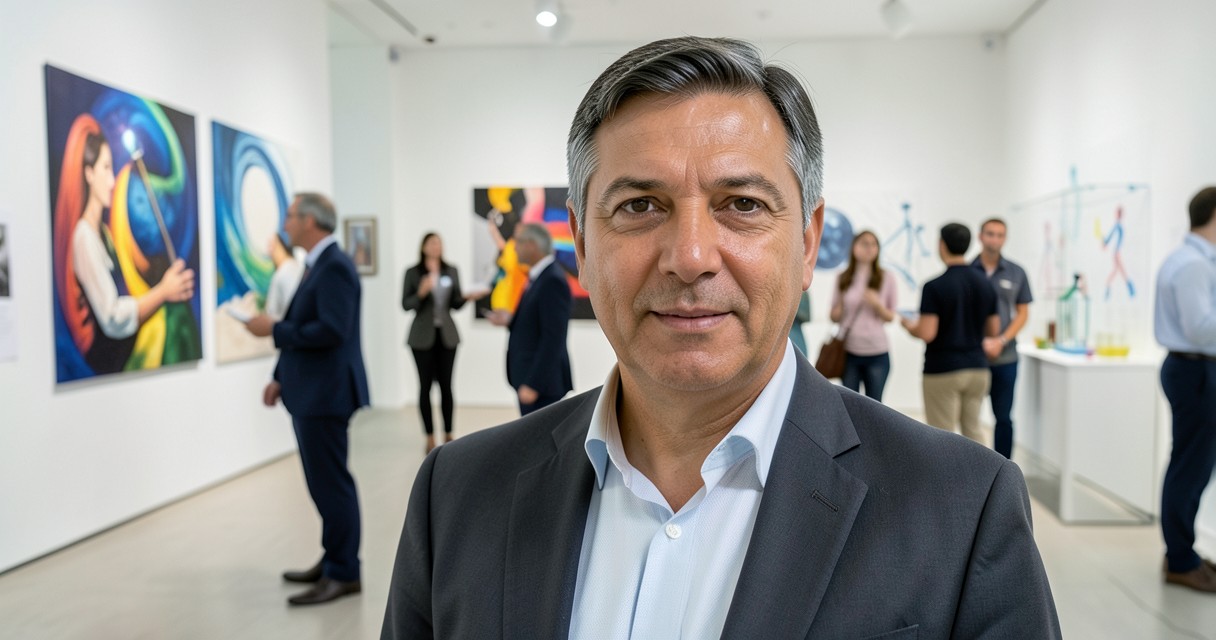
Art has the unique ability to spark curiosity and foster public engagement with science. Exhibitions that combine art and science can draw in individuals who may not typically engage with scientific topics. The “Art and Science” exhibitions at institutions like the American Museum of Natural History showcase how artists interpret scientific research, creating a dialogue between the two fields. Such events not only educate attendees but also invite them to participate in discussions about scientific issues, thereby broadening the audience for science. This approach is particularly crucial in an era where scientific literacy is essential for informed decision-making on issues like climate change and public health.
Collaborative Projects Between Artists and Scientists
Collaborations between artists and scientists often yield groundbreaking results that neither field could achieve alone. These partnerships can lead to innovative projects that challenge conventional thinking and inspire new ideas. For instance, the “ArtSci” initiative at the University of California, Santa Barbara, encourages interdisciplinary collaboration, allowing students from both fields to work together on projects that blend artistic creativity with scientific inquiry. Such collaborations not only produce unique artworks but also foster an environment where diverse perspectives can lead to unexpected breakthroughs, enriching both artistic and scientific practices.
The Role of Art in Science Education
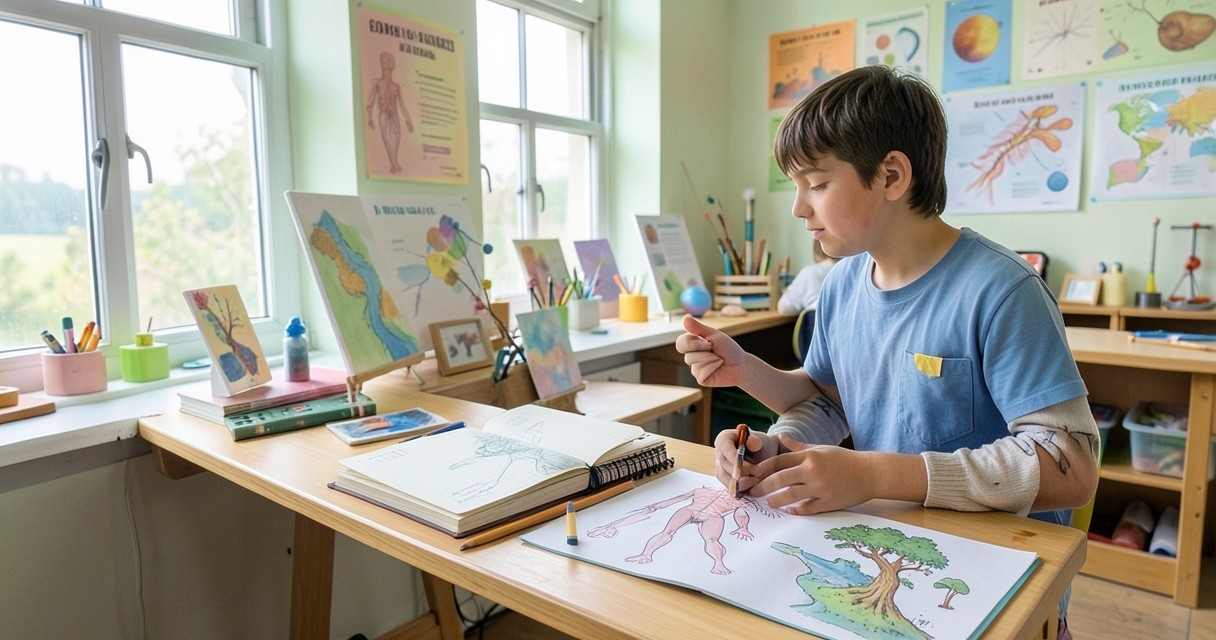
Integrating art into science education can enhance learning experiences and retention of complex concepts. Programs that incorporate artistic methods, such as drawing or modeling, allow students to visualize and engage with scientific principles actively. For example, the “Science Through Art” program encourages students to create artworks based on scientific themes, reinforcing their understanding of topics such as ecosystems or human anatomy. By merging creativity with scientific inquiry, educators can cultivate a more dynamic learning environment that appeals to various learning styles and encourages critical thinking.
Artistic Interpretations of Scientific Phenomena
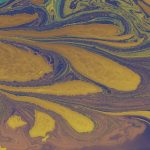
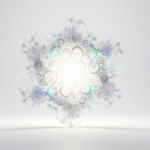
Artists often draw inspiration from scientific phenomena, transforming complex ideas into compelling visual narratives. For example, the phenomenon of fractals, which appear in nature and mathematics, has inspired numerous artists to create works that reflect the beauty of these patterns. Artists like Jackson Pollock and contemporary digital artists utilize concepts from chaos theory and mathematics to inform their creative processes. By representing scientific ideas through art, these creators invite viewers to contemplate the relationship between the natural world and artistic expression, fostering a deeper appreciation for both fields.
Future Directions: The Evolving Relationship Between Art and Science
The relationship between art and science continues to evolve, driven by technological advancements and changing societal needs. As new tools and mediums emerge, artists and scientists are finding innovative ways to collaborate and communicate. For instance, virtual reality and augmented reality technologies are creating immersive environments where viewers can experience scientific concepts firsthand. These technologies offer exciting possibilities for future art-science collaborations, allowing for interactive experiences that deepen understanding and engagement. As both fields continue to intersect, the potential for creative expression to illuminate scientific ideas will only grow, paving the way for new discoveries and insights.

I have spent the past decade exploring the intersections of Freemasonry, art, and science, researching historic manuscripts and architectural symbolism. My work as a freelance writer and independent researcher allows me to share the rich history of knowledge that these traditions embody.