Overview of Masonic Artifacts
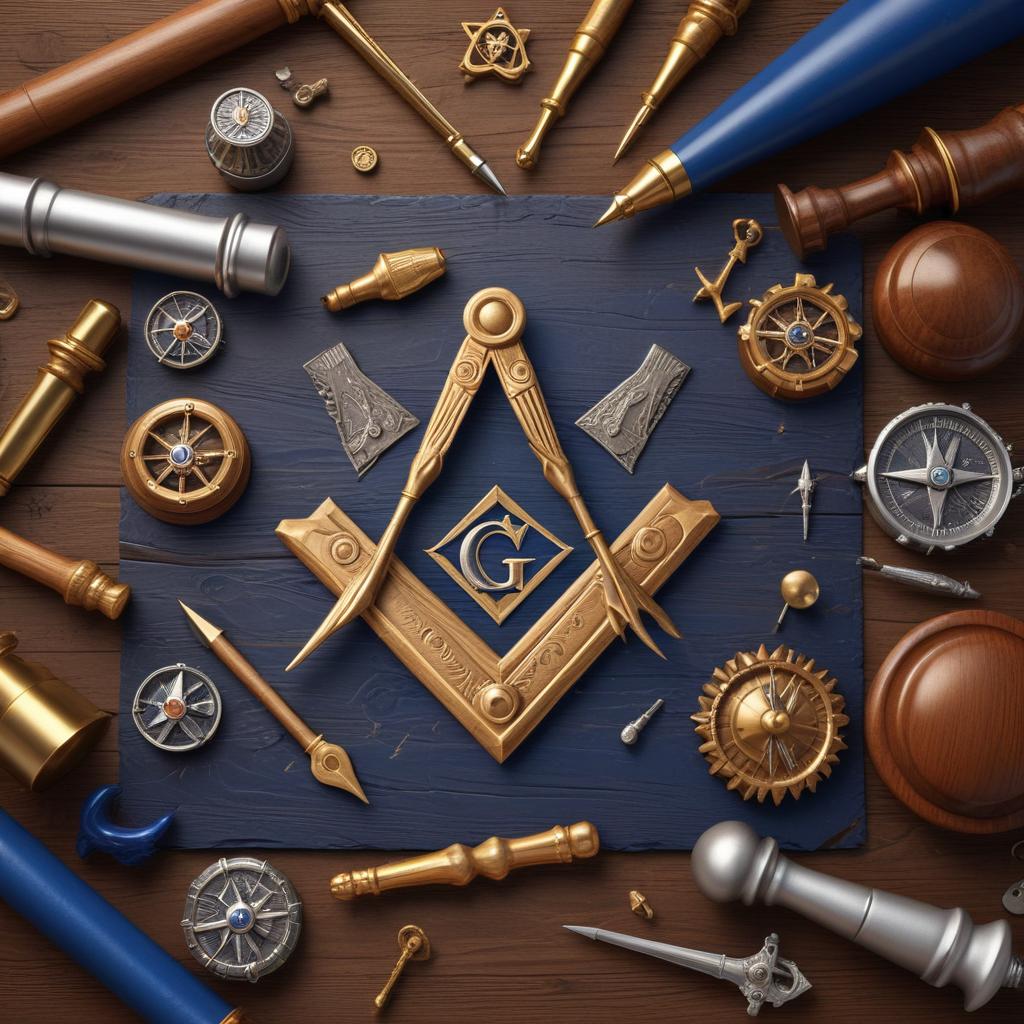
Masonic artifacts encompass a wide range of historical objects and tools that have been used by Freemasons throughout the centuries. These artifacts not only hold great symbolic meaning within the fraternity but also serve as tangible connections to the rich traditions and philosophies of Freemasonry. From intricately designed aprons to ancient ceremonial jewels, Masonic relics are steeped in history and craftsmanship.
The types of Masonic artifacts are varied and often include working tools such as compasses, squares, and plumb lines, each symbolizing moral lessons and virtues essential to Freemasonry. Aprons, one of the most recognizable Masonic symbols, range from simple leather designs worn by operative masons of the past to highly ornate versions used in modern lodges. These aprons often carry emblems and motifs that convey specific meanings related to Masonic beliefs and ranks.
In addition to tools and apparel, Masonic artifacts also include ceremonial objects such as gavels, rings, and sashes. These items are crafted with great attention to detail and artistry, reflecting the commitment to workmanship that is a core value of Freemasonry. Many of these historical objects have been preserved through generations, providing insight into the evolution of Freemasonry and its symbols.
The historical significance of Masonic artifacts extends beyond their practical use in rituals and ceremonies; they represent a visual language of symbolism that conveys ethical teachings and the fraternity’s philosophical ideals. Collectors and historians alike value these relics not only for their beauty but also for their role in telling the story of Freemasonry’s influence on culture, architecture, and social movements over the centuries.
Overall, Masonic artifacts are more than just objects; they are emblematic of the enduring heritage of Freemasonry. They connect members to the past, embody the principles of the craft, and inspire ongoing appreciation for the artistry and symbolism that define this historic fraternity.
Common Symbols and Their Meanings
Masonic symbols are rich in symbolism and are a vital part of the fraternity’s ritual artifacts. Among the most recognizable is the square and compass, which together represent foundational principles in Freemasonry. The square symbolizes morality, truthfulness, and virtue — guiding members to “square” their actions by the principles of honesty and integrity. The compass, on the other hand, represents the boundary within which a Mason must keep his desires and passions, symbolizing self-control and moderation.
These symbols often appear on aprons, rings, and other ceremonial items worn or used by Masons. The apron, typically made from white leather or cloth, stands as a symbol of purity and the work ethic embraced by members. Embellished with emblems such as the square and compass, aprons serve as a constant reminder of the moral and ethical standards Masons strive to uphold during their daily lives and ritual practices.
Rings bearing the square and compass not only signify membership but are also personal reminders of the Masonic commitment to truth, charity, and fraternity. Beyond their practical use, these ritual artifacts carry deep symbolic meaning, reinforcing the values of the craft. Together, these common Masonic symbols create a visual language that speaks to the fraternity’s timeless teachings and the moral journey its members undertake.
Materials and Origins
Masonic artifacts are crafted from a diverse range of materials, each chosen for its symbolic significance and craftsmanship quality. Among the most common artifact materials are precious metals such as gold, silver, and bronze. These metals not only lend an air of prestige and longevity to the artifacts but also connect to ancient traditions of metalworking and value. Gold, in particular, is often used for ceremonial items, emblems, and rings, symbolizing purity and eternity.
Beyond metals, exquisite woodwork plays a critical role in many Masonic pieces. The use of finely carved hardwoods reflects skilled craftsmanship and often incorporates symbolic motifs that have historical roots in various Masonic rites. The natural grain and durability of woods like oak and mahogany add both beauty and solemnity to items ranging from altars to boxes and chairs used in lodges.
Ceramics also feature in some Masonic artifacts, especially in decorative plaques and commemorative items. These ceramics may be adorned with painted symbols or glazed in distinct colors to signify different lodges or rites. The artistry involved in ceramic making mirrors the longstanding tradition of pottery as a medium for storytelling and ritual representation.
The geographic origins of these objects span multiple continents and eras. Many Masonic artifacts trace their roots to Europe, where Freemasonry as a formalized brotherhood began in the early 18th century. However, influences from ancient Egypt, Greece, and the Near East are evident in the symbolism and materials used, reflecting Freemasonry’s deep historical connections. Additionally, artifacts produced in North America during the 19th and 20th centuries showcase a blend of traditional craftsmanship with local cultural influences, making Masonic artifacts a rich tapestry of history and material culture.
Craftsmanship Techniques in Masonic Artifacts
The creation of Masonic artifacts is a profound showcase of traditional craftsmanship, reflecting centuries-old artisan skills passed down through generations. These artifacts, revered for their intricate designs and symbolic significance, are crafted using a variety of specialized techniques including Masonic engraving, metalwork, and other meticulous methods.
One of the most distinguished aspects of Masonic artifact creation is the precision of Masonic engraving. This technique involves engraving meticulous symbols, alphabets, and intricate patterns that carry deep meanings within the fraternity. Skilled artisans use fine tools and steady hands to create detailed designs on metals, wood, and other materials. The process demands not only technical proficiency but also an understanding of the symbolic language unique to Freemasonry.
Metalwork plays a crucial role in the craftsmanship of many Masonic objects, such as badges, jewels, and ceremonial tools. Expert metalworkers employ techniques like casting, forging, and chasing to shape and ornament metals such as silver, gold, brass, and bronze. These methods require years of experience to master as they involve manipulating metals at various temperatures and under precise conditions to achieve both strength and aesthetic elegance.
Beyond engraving and metalwork, other artisan skills contribute to the holistic craftsmanship seen in Masonic artifacts. These include woodworking for creating frames and ceremonial furniture, enameling for adding vibrant color, and jeweling to embed precious stones with symbolic value. Each technique is imbued with respect to tradition and exacting standards, ensuring that the artifacts not only serve their ceremonial purpose but also endure as works of art.
The craftsmanship behind Masonic artifacts transcends mere decoration; it reflects a dedication to preserving the rich history and values of Freemasonry through artisan skills. The combination of engraving, metalwork, and other time-honored techniques results in artifacts that are both beautiful and meaningful. Every piece tells a story, crafted with a precise blend of artistic mastery and symbolic intent, making these objects treasured heirlooms within the Masonic community.
Engraving and Symbolic Detailing
Engraving techniques have long been essential in the creation of Masonic artifacts, serving both artistic and symbolic purposes. Artisan engraving involves meticulous craftsmanship, where skilled hands carve intricate designs and symbolic art onto metal, wood, or leather surfaces. These decorative details not only enhance the aesthetic appeal of the artifacts but also convey deep meanings associated with Masonic traditions and principles.
Common engraving techniques include relief engraving, where the background is cut away to leave raised designs, and intaglio engraving, which creates recessed patterns. Each technique requires precision and a keen eye for detail, allowing for the accurate depiction of complex symbols such as compasses, squares, all-seeing eyes, and other emblems significant to Freemasonry. These symbols are carefully integrated into the decorative details to ensure they stand out vividly and retain their intended meaning.
The importance of these engravings goes beyond decoration; they serve as a language of symbolism that communicates the values, history, and secrets of the Masonic craft. The artisan engraving transforms simple tools, jewelry, and regalia into meaningful artifacts that inspire reflection and respect among members. Ultimately, engraving and symbolic detailing are vital components that preserve the heritage and identity of Freemasonry through each carefully rendered stroke.
Metalwork and Jewelry Making
Metalwork plays a fundamental role in crafting Masonic rings, jewelry, and ceremonial tools, blending artistry with skilled craftsmanship. Traditionally, these pieces are created using precious metals like gold, silver, and brass, carefully selected for their durability and symbolic value. The process begins with designing a detailed blueprint, often incorporating Masonic symbols which require precision and respect for tradition.
Jewelry craftsmanship in Masonic artifacts involves several time-honored techniques such as casting, engraving, and hand-tooling. Casting allows artisans to create intricate forms by pouring molten metal into molds shaped with Masonic emblems. Once cooled and solidified, the pieces are meticulously engraved to add depth and meaning, using fine tools to carve symbols and decorative patterns.
Hand-tooling is another essential step that brings out the finer details, enhancing the texture and finish of each piece. Polishing and plating follow, ensuring the metalwork shines with brilliance and protects against tarnish. These traditional methods honor the legacy of Masonic jewelry making, preserving its historical significance and aesthetic beauty through skilled metalwork techniques.
Preserving and Collecting Masonic Artifacts
Preserving and collecting Masonic artifacts requires a careful balance of respect for their historical significance and practical restoration techniques. These items, rich in symbolism and history, need particular attention to ensure their longevity and maintain their value over time. Whether you are a seasoned collector or just beginning, understanding best practices in artifact preservation is essential.
One of the first steps in artifact preservation is to assess the condition of the Masonic item thoroughly. Avoid cleaning or restoring artifacts without expert guidance, as improper techniques can damage delicate materials such as wood, metals, or fabrics. Mild cleaning with soft brushes and dry cloths can often remove dust without harming the item, but chemical cleaners should be used cautiously and only when appropriate for the material.
When it comes to restoration techniques, it is best to consult professionals who specialize in historical preservation. These experts can perform necessary repairs without compromising the artifact’s authenticity. For instance, damaged engravings or worn finishes should be carefully restored using reversible methods, ensuring that future restorers can undo or improve upon the work without damaging the original item.
Collectors of Masonic items should also consider environmental factors that affect artifact preservation. Items should be stored in stable conditions, away from excessive heat, humidity, or direct sunlight, which can accelerate deterioration. Acid-free storage boxes and display cases with UV protection help preserve both the visual and structural integrity of artifacts.
Proper documentation is another critical aspect of maintaining the historical value of Masonic artifacts. Keeping detailed records about each item’s origin, condition, and any restoration work performed enhances their provenance and can increase their importance to future historians and collectors. Digital records and photographs complement physical storage and reduce the need for frequent handling.
Finally, those collecting Masonic artifacts should prioritize authenticity and historical context in their acquisitions. Provenance, rarity, and condition are key factors that protect both the collector’s investment and the cultural heritage embodied by these items. When collecting Masonic artifacts, joining specialized communities or consulting trusted dealers can provide valuable insight and access to genuine pieces.
In conclusion, successful preservation and collecting of Masonic artifacts involve careful maintenance, appropriate restoration techniques, and mindful collecting practices. These steps not only ensure that the items are well preserved but also that their rich history continues to inspire future generations.
Restoration Challenges and Methods
Restoring Masonic artifacts presents a unique set of challenges due to their historical significance and the delicate materials often involved. Artifact restoration must carefully balance repair needs with conservation methods that do not compromise the item’s authenticity. One of the primary challenges is addressing wear and deterioration while preserving original materials and craftsmanship. Many artifacts feature intricate designs and fragile components that require specialized techniques to avoid damage during restoration.
Another obstacle in artifact restoration is ensuring historical accuracy. Conservators must thoroughly research each piece to understand its original state, materials, and methods used in its creation. This information guides the selection of appropriate conservation methods that respect the artifact’s cultural and historical context. For example, using reversible adhesives or non-invasive cleaning techniques helps maintain integrity while allowing future restorers to undo repairs if needed.
Repair challenges often include corrosion, structural instability, and fading of decorative elements. Addressing these issues without altering the artifact’s appearance demands meticulous attention and expertise. Techniques such as micro-soldering, humidity control, and pigment analysis contribute to successful restoration outcomes. Ultimately, preserving the artifact’s original craftsmanship and symbolic meaning remains the cornerstone of all restoration efforts, ensuring that the legacy of Masonic heritage endures.
Building a Masonic Artifact Collection
Collecting Masonic artifacts is a rewarding pursuit that requires careful attention to authenticity and provenance. For new collectors, the first step is learning how to identify authentic artifacts. Genuine Masonic items often display distinct craftsmanship, hallmarks, and engravings specific to various lodges or time periods. Researching the history behind each piece is crucial to distinguish originals from reproductions.
Sourcing authentic artifacts can be achieved through reputable dealers, specialized auctions, or established collector networks. When attending auctions, it is vital to check the item’s condition, request provenance documentation, and be cautious of items that seem too good to be true. Developing relationships with knowledgeable sellers can also provide valuable insights and access to rare finds.
To build a meaningful collection, focus on pieces that reflect different aspects of Masonic history and craftsmanship. This may include ceremonial regalia, tools, documents, or jewelry. Each artifact tells a story and adds depth to your collection, enhancing its educational and historical value. Regularly documenting and preserving your collection will ensure its longevity for future generations to appreciate.
Following these collector advice tips helps ensure your collecting Masonic artifacts journey is both enjoyable and rewarding, creating a collection that truly honors the rich traditions of Freemasonry.

I have spent the past decade exploring the intersections of Freemasonry, art, and science, researching historic manuscripts and architectural symbolism. My work as a freelance writer and independent researcher allows me to share the rich history of knowledge that these traditions embody.