The Intersection of Science and Symbolism in Masonic Education
Masonic education is a unique blend of philosophical teachings, moral lessons, and symbolic interpretations that guide members through their journey of personal growth and enlightenment. At its core, this education aims to foster a deeper understanding of oneself and one’s place in the universe. The incorporation of science into this educational framework enriches the experience by providing a rational foundation for the symbolic lessons presented. By examining the relationship between science and symbolism, one can appreciate how these two elements work hand in hand to illuminate the path of Masonic knowledge.
The Role of Symbolism in Masonic Education
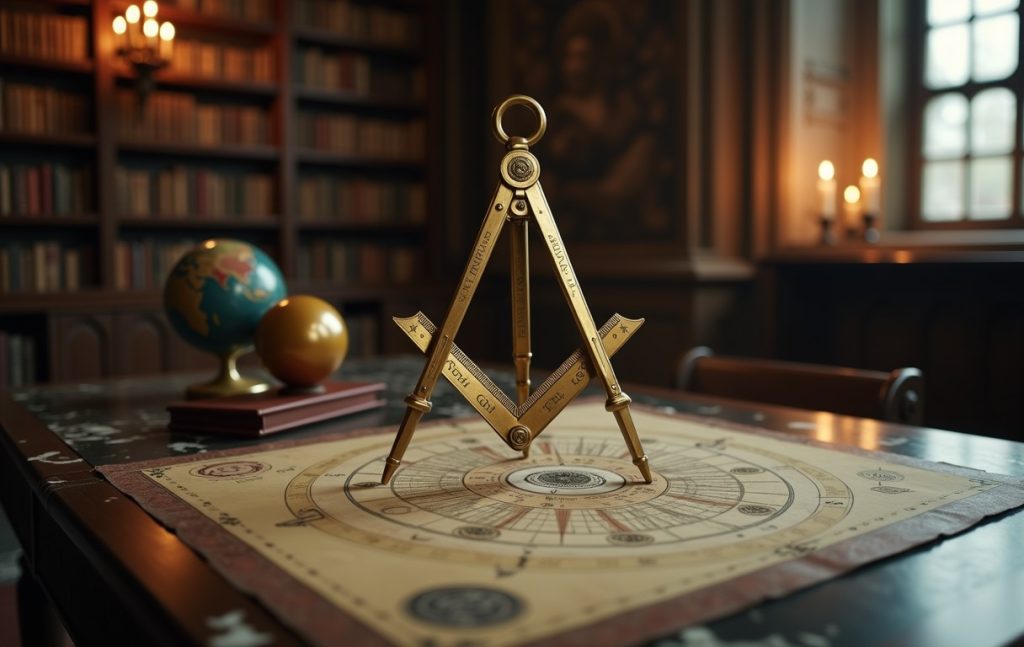
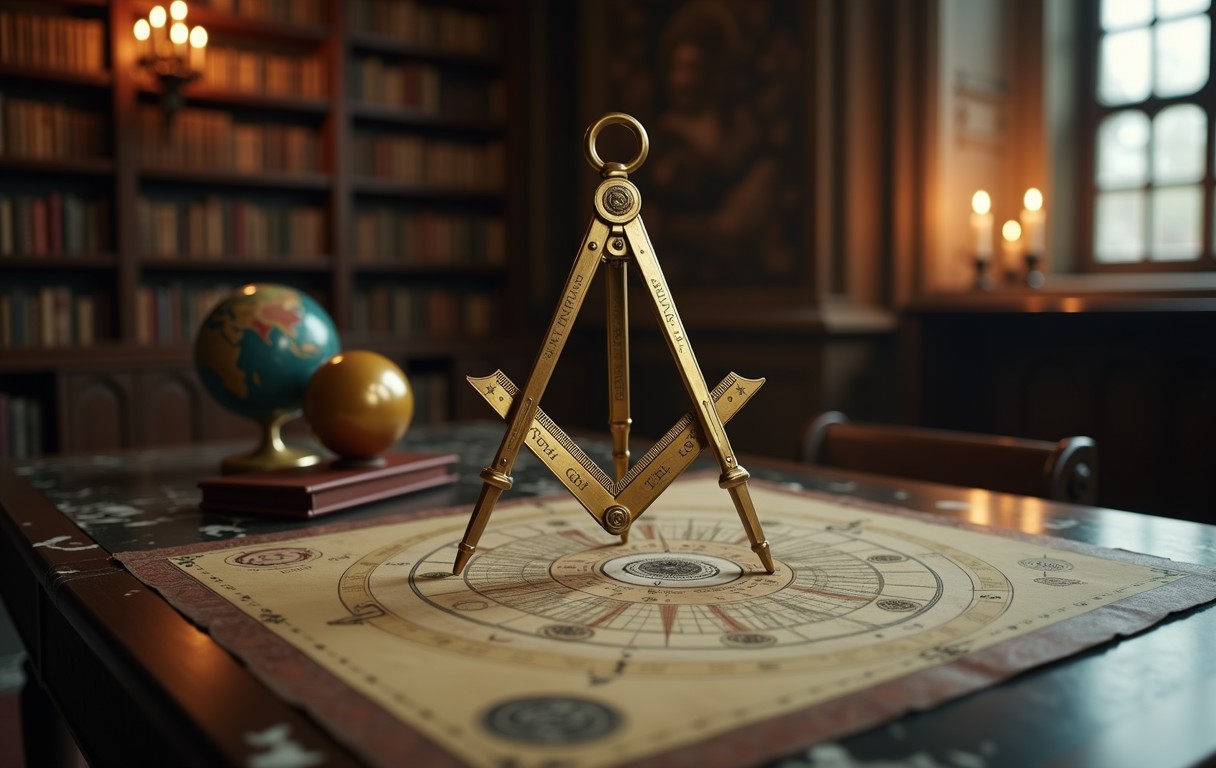
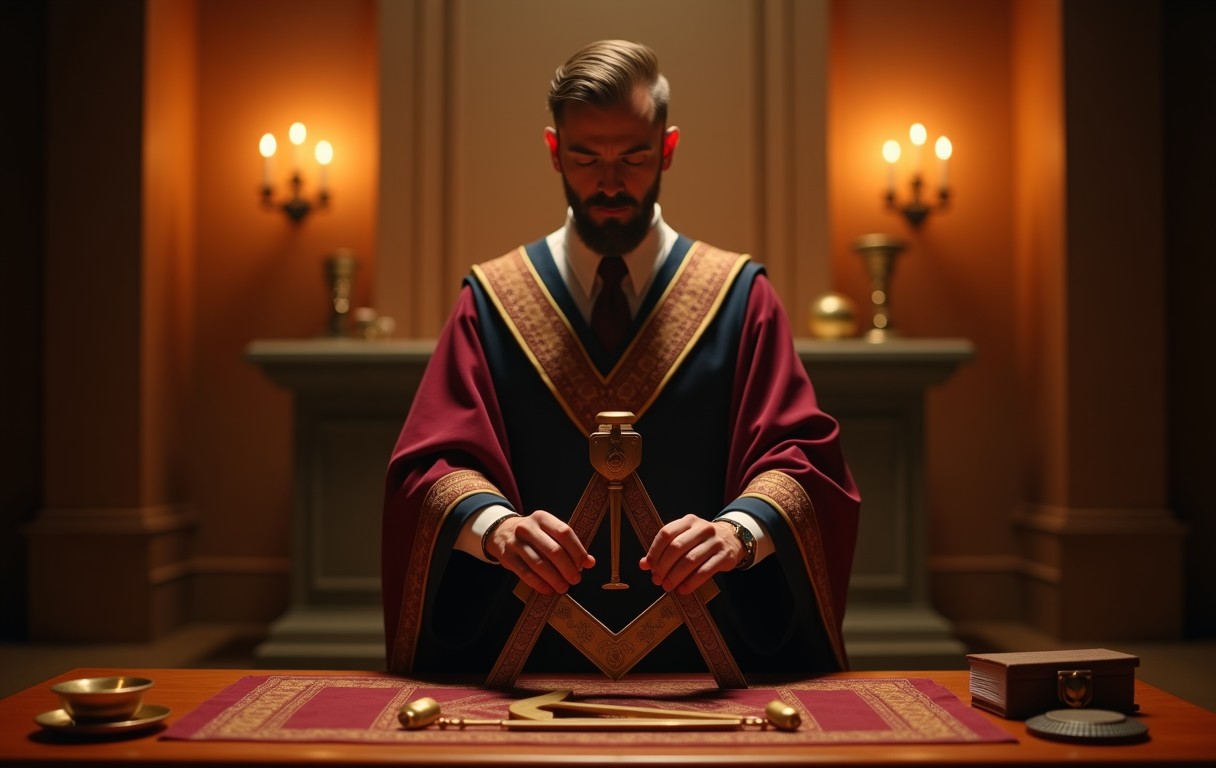
Symbolism serves as the backbone of Masonic teachings, providing a language through which complex ideas can be communicated. Each symbol carries layers of meaning, often drawing from historical, cultural, or philosophical contexts. For example, the square and compass are not merely tools of the trade; they symbolize the balance between moral rectitude and personal ambition. Through these symbols, Masons are invited to reflect on their own lives, encouraging self-examination and ethical living. The use of rich, multi-dimensional symbols allows for a deeper engagement with the material, as members find personal resonance in the meanings behind them.
The Influence of Scientific Thought
Science has significantly influenced Masonic education, particularly in its approach to knowledge and understanding. The Enlightenment period, which emphasized reason and empirical evidence, laid the groundwork for many of the principles found in Freemasonry. This embrace of rational thought encourages Masons to seek knowledge through observation and inquiry, paralleling the scientific method. By fostering a mindset that values critical thinking and evidence-based conclusions, Masonic education reflects scientific principles that promote intellectual growth and understanding of the natural world.
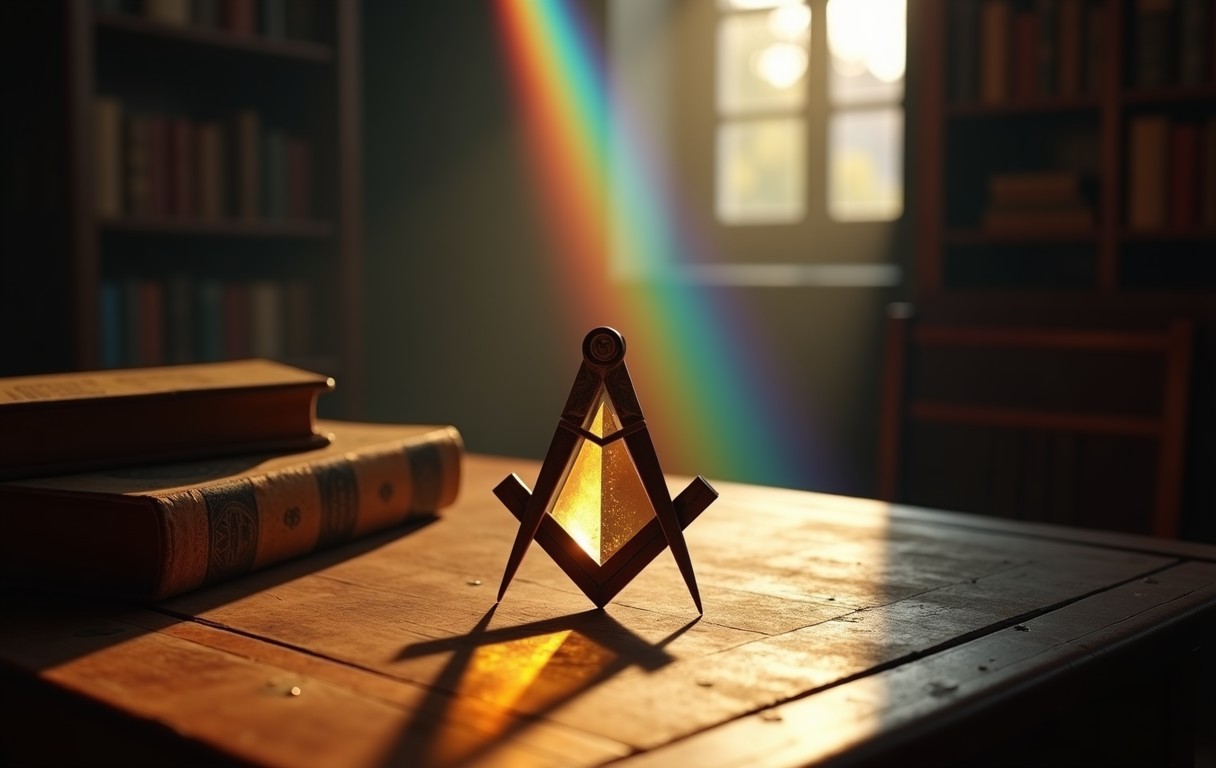
The integration of scientific principles into Masonic symbolism can be seen in the way certain symbols represent natural phenomena. Take, for instance, the symbol of light, which is prevalent in Masonic rituals. Light is not only a metaphor for knowledge and enlightenment but also aligns with the scientific understanding of the physical world. The study of light, from its wave-particle duality to its role in the spectrum of colors, illustrates how Masonic teachings can harmonize with scientific concepts. This synergy provides members with a holistic view that merges spiritual enlightenment with scientific inquiry, creating a richer educational experience.
Ethics and Morality: A Scientific Perspective
Masonic education places a strong emphasis on ethics and morality, principles that can also be examined through a scientific lens. Fields such as psychology and sociology offer insights into human behavior and ethical decision-making. Understanding the underlying motivations for moral choices can enhance the symbolic lessons imparted within Masonic teachings. For example, the exploration of altruism through scientific studies reveals the innate human tendency to cooperate and help others, aligning with the Masonic value of brotherly love. By grounding ethical teachings in scientific understanding, Masons can cultivate a more profound sense of responsibility towards themselves and society.
The Use of Rituals and Their Symbolic Significance
Rituals in Freemasonry serve as essential tools for teaching and reinforcing symbolic lessons. These rituals often incorporate scientific elements, such as the precision of measurements or the laws of nature, to create a structured environment for learning. The act of performing rituals can evoke a sense of community and shared purpose while also providing a framework for understanding complex ideas. For instance, the ritual of initiation involves various symbolic actions that reflect the cycles of life and personal transformation, paralleling the scientific concepts of growth and change. This interplay between ritual and science deepens the educational experience for Masons.
Future Directions in Masonic Education
As society continues to evolve, so too must Masonic education adapt to incorporate new scientific discoveries and philosophical insights. The advent of technology, particularly in fields such as neuroscience and quantum physics, presents opportunities for Masons to explore education in innovative ways. For example, understanding neural pathways and cognitive development can inform how Masonic teachings are presented and absorbed. Emphasizing a lifelong learning approach that integrates contemporary scientific findings with traditional symbolism can invigorate Masonic education, ensuring it remains relevant and impactful for future generations.

I have spent the past decade exploring the intersections of Freemasonry, art, and science, researching historic manuscripts and architectural symbolism. My work as a freelance writer and independent researcher allows me to share the rich history of knowledge that these traditions embody.