Introduction to Freemasonry and the Arts of Memory
Freemasonry is a centuries-old fraternal organization that combines moral teachings, symbolic rituals, and a commitment to personal development. Rooted in stonemasonry guilds of the late medieval period, modern Freemasonry has evolved into a complex system of allegories and symbols designed to impart ethical lessons and encourage spiritual growth among its members. Central to its practices are structured rituals and ceremonies, which often convey deeper meanings through a rich tapestry of symbols and signs.
Within the context of Freemasonry, the arts of memory hold a particularly significant place. The arts of memory, also known as memory techniques, are traditional methods used to improve one’s ability to remember and organize information. These techniques have existed since ancient times, often used by orators, philosophers, and scholars to retain vast amounts of knowledge. In Freemasonry, members utilize these arts of memory not only as a tool for learning and recollection but also as a means to preserve masonic traditions that have been passed down through generations.
The connection between Freemasonry and the arts of memory is deeply historical. Before the age of widespread literacy and written texts, memory was vital for transmitting knowledge. Masonic rituals and teachings were conveyed orally and visually, relying heavily on symbolic imagery and mnemonic devices to aid in retention. This use of memory techniques ensured that the wisdom and values embedded in masonic traditions could endure despite the absence of comprehensive written records.
Moreover, the arts of memory contribute to the ceremonial and educational aspects of Freemasonry. The use of symbolic spaces, allegorical figures, and structured narratives in masonic rituals often corresponds to classic memory techniques such as the method of loci, where information is mentally placed within imagined locations. This blending of the arts of memory into Freemasonry provides members with a powerful means to internalize teachings, sharpen mental faculties, and foster a deeper connection with the collective heritage of the fraternity.
In summary, Freemasonry and the arts of memory are intimately linked through their shared historical significance and practical application. Memory techniques serve as the backbone that supports the preservation and transmission of masonic traditions, highlighting the timeless human endeavor to master the art of remembering in the pursuit of wisdom and moral development.
Overview of Freemasonry
Freemasonry, with its rich history dating back to the late medieval period, is one of the oldest and most well-known secret societies in the world. Originating from the stonemason guilds of the Middle Ages, it evolved into a fraternal organization emphasizing moral and ethical development through allegory and symbolism. The history of Freemasonry reveals its transformation from operative masonry into a speculative society, which uses tools and language metaphorically to impart deeper philosophical lessons.
Central to Freemasonry history are its key principles: brotherhood, charity, integrity, and the pursuit of knowledge. These principles encourage members to lead ethical lives, assist one another, and contribute positively to society. The Masonic principles are reflected through ritualistic ceremonies and symbols that guide members on a path of self-improvement and enlightenment.
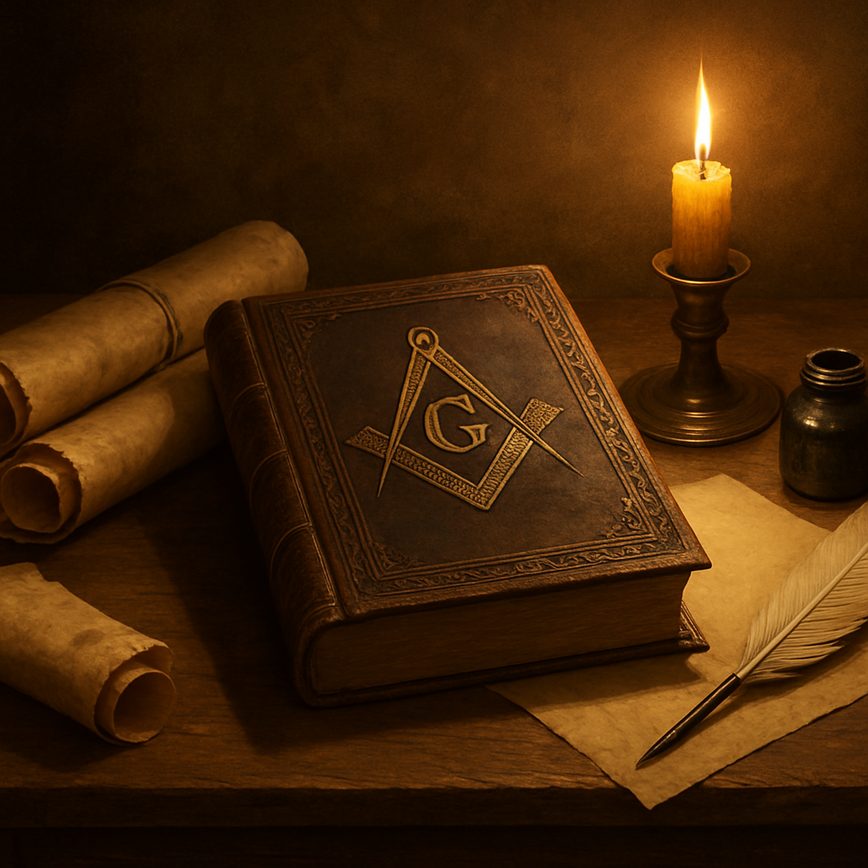
Symbolism plays a crucial role in Freemasonry, employing imagery such as the square and compass, the all-seeing eye, and architectural elements derived from stonemason tools. These symbols serve as visual reminders of moral and philosophical lessons and act as mnemonic devices to help members internalize complex ideas. Understanding the symbolism and principles of Freemasonry sets the stage for appreciating its unique use of memory arts, where visualization and symbolic association reinforce learning and retention within the society’s teachings.
Understanding the Arts of Memory
The arts of memory, also known as classical memory techniques, have been cultivated since antiquity to enhance and refine the capacity to recall information. At the core of these arts lies the method of loci, a mnemonic strategy that involves associating information with specific physical locations or “memory palaces.” This technique requires the practitioner to visualize a familiar architectural space and mentally place mnemonic images in designated spots within that space.
By mentally navigating this memory palace, one can retrieve detailed information by visualizing the stored images at each locus. This method not only improves the retention of complex data but also enriches the act of remembering, turning it into an imaginative and engaging exercise. Across cultures, these systems have been deeply respected for their role in education, rhetoric, and oral traditions, serving as foundational tools before the advent of written texts.
Mnemonics like the method of loci have influenced various intellectual disciplines, including philosophy, literature, and spirituality. Their cultural importance is evident in how different societies have adapted the memory arts according to their symbolic frameworks and educational needs. Thus, the arts of memory stand as a bridge connecting human cognition to cultural heritage, demonstrating the timeless quest to master and honor the faculty of memory.
The Role of Memory Techniques in Masonic Rituals
Masonic rituals have long been intertwined with sophisticated memory techniques which serve as crucial tools in the preservation and transmission of esoteric knowledge. These rituals employ mnemonic methods that allow members to internalize complex symbolic systems and teachings, ensuring that valuable wisdom is not lost through generations but instead passed on with clarity and precision.
At the heart of Masonic ritualistic practice is symbolic learning, which relies heavily on memory aids to convey layered meanings beyond simple words. Members are encouraged to engage deeply with symbolic elements—such as signs, tokens, and allegorical stories—that resonate on multiple levels. These symbols function as mental anchors, helping initiates recall intricate details and underlying principles related to Masonic philosophy during initiation ceremonies and beyond.
The use of memory techniques in these initiation ceremonies is deliberate and methodical. Various mnemonic devices such as loci (method of places), word associations, and patterned sequences are integrated into the ritual structure. This not only enhances the ability to remember the procedural steps but also embeds philosophical teachings in a way that appeals to both cognitive and sensory faculties of members. By doing so, the rituals reinforce a deeper understanding that transcends rote memorization, fostering a form of experiential knowledge.
Moreover, Masonic rituals’ mnemonic systems serve the dual purpose of encoding secret knowledge and creating a shared language among members. This ensures that the inner meanings are accessed only by those who have undergone the proper initiation and training in memory techniques. Such a selective transmission of wisdom maintains the integrity and sanctity of the teachings, while simultaneously promoting fraternity through a common symbolic and mnemonic framework.
Ultimately, the integration of memory techniques in Masonic rituals exemplifies the guild’s commitment to structured intellectual tradition and inner transformation. These methods perform as vital conduits that link historical teachings with present understanding, enabling the ongoing cultivation of the fraternity’s esoteric knowledge. Through symbolic learning and carefully crafted mnemonic strategies, Masonic rituals continue to impact initiates profoundly, enriching their personal and collective journey within the Craft.
Mnemonic Structures in Masonic Education
Freemasonry employs a rich array of mnemonic structures and symbolic imagery to enhance masonic education, enabling members to effectively retain and recall complex ritual information and profound philosophical teachings. Central to these memory devices are allegorical tools such as the tracing boards and the use of architectural symbols—pillars, arches, and compasses—that visually encode layers of esoteric knowledge. These symbols act as anchors in the mind, helping to map out intricate ritual narratives and ethical lessons.
The structured progression through degrees is itself a mnemonic framework, with each level introducing new symbolic elements and ritual drama that reinforce the memorization process. Memory devices in Freemasonry often rely on vivid imagery—such as the Master’s Carpet or the working tools of the craft—which provide concrete, visual touchpoints that lodge complex abstract concepts more firmly in memory.
Furthermore, the frequent use of ritual repetition, gestures, and coded language acts synergistically with symbolic imagery to deepen retention. Emblematic stories and moral allegories woven into these rites cultivate a narrative memory that aids masons in recalling philosophical lessons embedded in their ceremonies. This intricate system of memory techniques ensures that the teachings remain living knowledge within the brotherhood, fostering intellectual growth through masonic education.
Use of Memory Palaces in Initiation
In Masonic initiation rites, the concept of the memory palace plays a crucial role as a form of mental architecture. This technique involves the creation of vivid mental spaces or “palaces” where symbolic knowledge and teachings are systematically stored and accessed. These carefully constructed mental environments act as mnemonic devices that guide initiates through complex rituals and philosophical lessons, allowing them to internalize and retain key information more effectively.
The memory palace technique leverages spatial memory, associating symbolic elements of the initiation ceremony with specific locations within a mental space. This method not only enhances recall but also deepens the emotional and intellectual engagement of the participant. By mentally navigating these palatial spaces, initiates can reconstruct the intricate sequences and meanings embedded in the rituals long after the ceremonies have concluded.
Through the use of memory palaces, Freemasonry transforms abstract teachings into tangible mental experiences. This practice ensures that the knowledge imparted during initiation rites is preserved in a durable and accessible format, fostering a lifelong connection to Masonic wisdom. Ultimately, mental architecture facilitates the retention of esoteric knowledge by embedding it within spatial and symbolic frameworks, making the memory palace an indispensable tool for Masonic education and personal growth.
Historical Impact and Legacy of Freemasonry’s Memory Arts
The historical impact of Freemasonry’s arts of memory extends far beyond the confines of its secretive lodges, influencing a broad range of cultural, philosophical, and intellectual traditions throughout centuries. At its core, the mnemonic legacy preserved and developed by Freemasons served as both a practical tool for retaining esoteric knowledge and a symbolic framework that underpinned much of Western thought. This intertwining of memory techniques and Masonic ritual fostered a unique cultural influence that helped to shape an enduring intellectual heritage.
Freemasonry’s memory arts were deeply embedded within the traditions of symbolic and allegorical teaching, making mnemonic practices central to the conveyance of complex philosophical ideas. By integrating intricate memory systems into their ceremonies and teachings, Freemasons effectively contributed to preserving ancient wisdom and knowledge. This preservation and transmission not only reinforced the internal cohesion and identity of the fraternity but also permeated wider intellectual circles, inspiring scholars, philosophers, and artists who valued the power of memory as a foundation for learning and creativity.
One of the most notable aspects of the Masonic influence in memory arts lies in its role in reviving classical mnemonic techniques during periods when such knowledge risked decline. Freemasons drew from Renaissance humanism, Hermeticism, and the art of memory pioneered by thinkers like Ramon Llull and Giordano Bruno, adapting and reinterpreting these traditions within their lodges. This syncretism enriched European intellectual life by marrying symbolic ritualism with practical methods of knowledge organization and recall, thus ensuring that the mnemonic legacy remained vibrant and relevant.
The cultural impact of Freemasonry’s approach to memory also resonates in the arts, where symbolism and encoded meanings rely heavily on mnemonic devices to communicate deeper truths. This influence is visible in literature, architecture, and visual arts linked to Masonic themes, where memory arts help unlock layered interpretations and preserve esoteric teachings for future generations. Philosophically, the Masonic mnemonic legacy subtly encouraged the idea that memory was not just a passive repository but an active, creative force essential to human understanding and progress.
In conclusion, the broader historical impact of Freemasonry’s memory arts lies in their ability to bridge the mystical and the intellectual, fostering a rich tradition where memory serves as a cornerstone of cultural transmission and philosophical inquiry. The Masonic influence in this realm has left an indelible mnemonic legacy, shaping not only the fraternity itself but also the wider cultural and intellectual traditions that continue to value the art of memory as a vital tool for knowledge and enlightenment.
Influence on Western Esotericism
Freemasonry’s unique integration of the arts of memory has played a pivotal role in shaping Western esoteric traditions. By employing intricate mnemonic systems, Freemasons were able to encode and preserve esoteric knowledge, which influenced various secret teachings and mystical philosophies throughout Western history. These memory techniques facilitated the transmission of complex symbolic and allegorical content, vital to esoteric practices where oral transmission and secrecy were paramount.
The emphasis on memory arts in Freemasonry contributed to the development of a structured framework for recalling layered meanings and hidden wisdom, thus reinforcing the tradition’s influence within Western esotericism. This approach inspired other occult groups and esoteric societies to incorporate similar mnemonic methods to ensure that their teachings endured across generations. The connection between these memory arts and ritual practice enhanced the mystical experience, making abstract knowledge tangible and accessible to initiated members.
Moreover, the Freemasonry influence extended beyond mere memorization techniques, impacting the symbolic language and hermetic codes that are prevalent in Western esoteric thought. The intertwining of symbolism, ritual memory, and initiatory knowledge created a robust system that has influenced secret traditions including Rosicrucianism, Hermeticism, and later mystical orders. In essence, the arts of memory within Freemasonry provided a foundational tool, allowing the preservation and evolution of esoteric wisdom through Western history.
Continuing Relevance in Modern Memory Practices
The arts of memory, deeply rooted in the traditions of Freemasonry, continue to exert a significant influence on modern mnemonic techniques. These ancient practices, developed to enhance recall and organization of information, have transcended their original esoteric context to find application in contemporary educational approaches. Today, the legacy of Freemasonry’s mnemonic arts is evident in the structured use of visual associations, symbolic imagery, and spatial memory strategies employed by learners globally.
Modern mnemonic techniques often echo the systematic methods crafted by Freemasons, emphasizing the importance of creating vivid mental “places” or loci where information can be stored and easily retrieved. This spatial approach not only fosters better memory retention but also makes the process more engaging and accessible for diverse audiences. Educators and cognitive scientists alike draw upon these time-tested strategies to enhance learning efficiency and knowledge retention in various fields, from language acquisition to complex technical subjects.
Furthermore, contemporary Freemasonry itself continues to preserve and adapt these mnemonic practices, ensuring that their symbolic and educational power endures. By maintaining the arts of memory within its rituals and teachings, Freemasonry contributes to a cultural and intellectual heritage that informs and enriches modern memory techniques. This dynamic interplay between tradition and innovation highlights the ongoing relevance of Freemasonry’s arts of memory in shaping effective mnemonic and educational tools today.

I have spent the past decade exploring the intersections of Freemasonry, art, and science, researching historic manuscripts and architectural symbolism. My work as a freelance writer and independent researcher allows me to share the rich history of knowledge that these traditions embody.