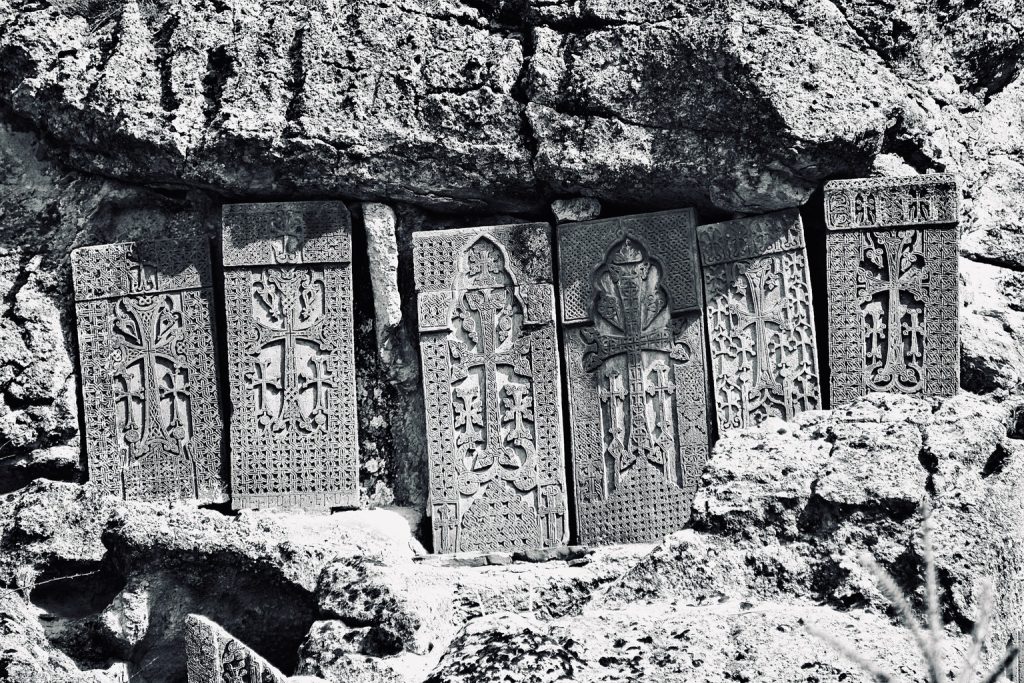
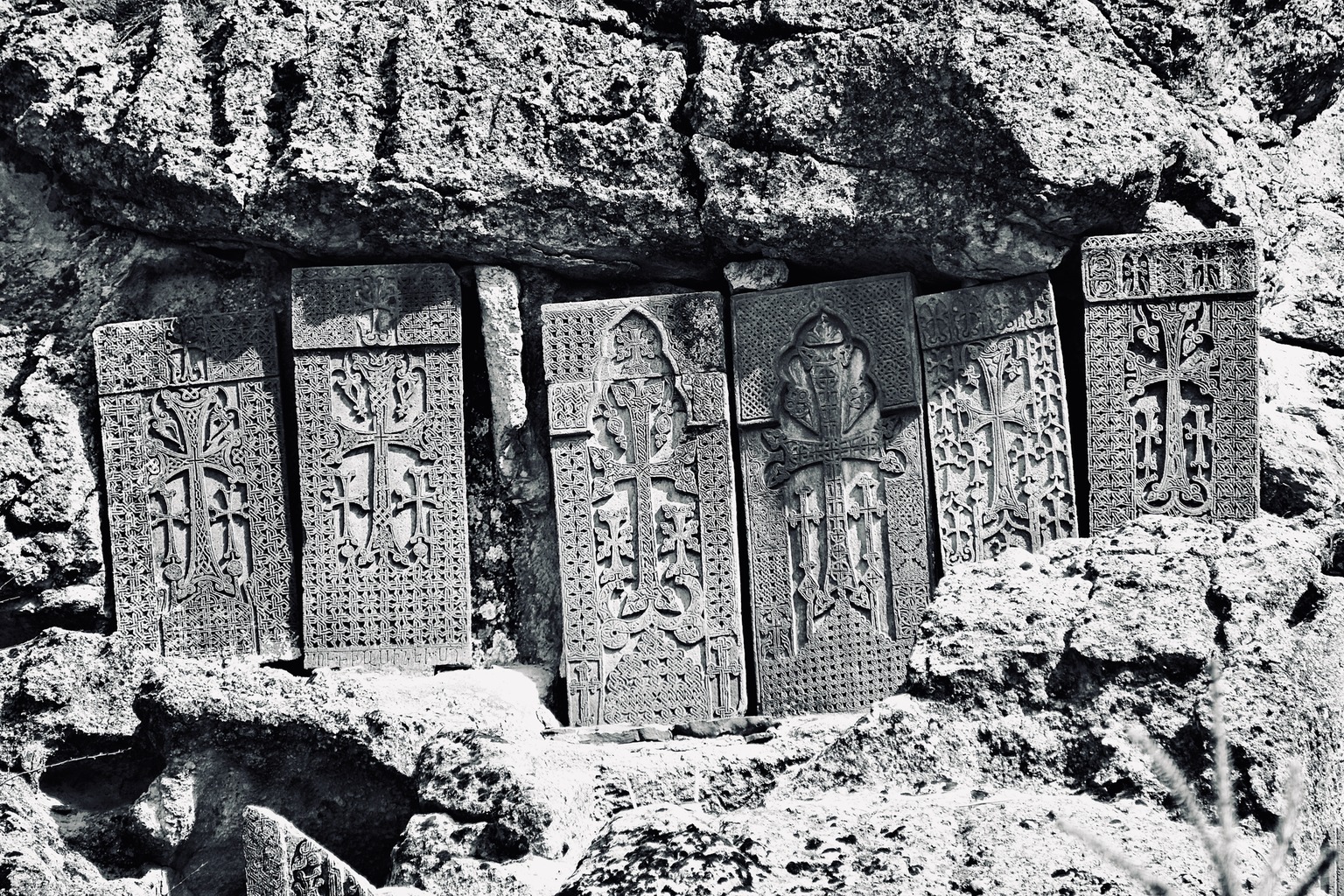
The intersection of celestial mechanics and visual creation offers a fascinating lens through which we can examine the evolution of human culture. When we study the ways early civilizations recorded the night sky, we realize that these observations were never purely scientific endeavors. They were deeply embedded in the artistic and spiritual fabric of society, shaping how people understood their place in the universe. Historical art often explores how astronomy intertwines with Masonic Symbolism, blending observation with symbolic meaning. By examining specific motifs found in ancient relics, we can trace the direct lineage from naked-eye observation to the brushstroke or chisel mark. This connection suggests that artistic expression was a primary method for preserving astronomical data before the invention of written scientific journals. Understanding this dynamic helps us appreciate the precision and creativity that ancient artists brought to their work, blending accuracy with mythological narrative to create enduring visual records of the cosmos.
Geometric Precision in Mesoamerican Glyphs
Mesoamerican civilizations, particularly the Maya and Aztec, developed sophisticated calendrical systems that were inextricably linked to their artistic output. The Dresden Codex, one of the few surviving Maya manuscripts, features intricate tables of Venus cycles that are rendered with remarkable geometric accuracy. Artists did not merely decorate these pages; they used specific iconographic conventions to represent planetary positions and eclipses. The use of precise angular measurements in their stone carvings and murals indicates a deep understanding of orbital mechanics. For instance, the depiction of Venus often includes specific directional markers that correspond to its elongation from the sun. This level of detail was not accidental but a deliberate choice to encode complex astronomical data within a visual language that was accessible to the literate elite and the general populace alike.
Comparing these Mesoamerican works to contemporary European art highlights a distinct difference in approach to geometric representation. While European medieval manuscripts often employed more stylized and less mathematically rigorous depictions of the heavens, Mesoamerican art prioritized functional accuracy. The Maya artist needed to predict specific dates for agricultural and ritual purposes, so the visual motifs had to serve a practical function. This necessity drove a higher degree of standardization in their artistic motifs compared to the more variable styles found in other cultures. The result is a body of work where the aesthetic value and the scientific utility are perfectly aligned. Viewing these pieces today, we see a seamless integration of art and science that challenges our modern tendency to separate these disciplines into distinct academic fields.
When analyzing the specific motifs used for celestial bodies, we notice that each planet has a unique set of visual attributes. Venus, for example, is often depicted with a specific facial expression or headdress that changes depending on its position in the sky. This variability within the motif system allowed artists to convey precise information without using numbers. It is a sophisticated form of data visualization that relies on the viewer’s knowledge of the symbolic code. The consistency of these motifs across different regions and time periods suggests a robust educational system where astronomical knowledge was passed down through artistic training. This standardization ensures that the information remains legible to experts even thousands of years later, making these artifacts invaluable tools for modern historians of science.
Symmetry and Celestial Mapping in Persian Miniatures
Islamic and Persian art traditions developed a unique relationship with astronomy that emphasized symmetry and infinite patterns. The concept of the infinite universe was often represented through elaborate geometric tessellations that avoided the depiction of living figures. These patterns were not just decorative; they were intended to reflect the underlying order and harmony of the cosmos. Artists collaborated with astronomers to integrate precise mathematical principles into Masonic Architecture, ensuring flawless designs. The use of specific star counts in rosette patterns, such as eight, ten, or twelve petals, corresponds directly to the number of visible stars or celestial spheres recognized in their cosmological models. This integration of mathematical beauty and astronomical fact created a visual language that was both spiritually resonant and intellectually rigorous.
In comparison to the more narrative-driven art of the West, Persian miniatures often abstract the human element in favor of cosmic order. The focus shifts from individual human experience to the collective understanding of universal laws. This difference in perspective is evident in the way celestial events are depicted. Rather than showing a person looking up at the sky, the art often presents the sky itself as the primary subject, surrounded by intricate borders that symbolize the structure of the universe. This approach allows the viewer to contemplate the scale and complexity of the cosmos without the distraction of anthropocentric narratives. It is a meditative form of art that invites prolonged study and reflection on the nature of reality.
The collaboration between artists and scholars in the Islamic world was formalized in institutions like the House of Wisdom in Baghdad. Here, the boundaries between artistic and scientific practice were blurred, and practitioners often held dual roles. Training in geometry and astronomy was essential for artists to uphold the rigorous standards of Masonic Craftsmanship. This interdisciplinary approach fostered innovation in both fields, leading to advances in lens grinding and instrument design that were then reflected in artistic motifs. The resulting artworks are therefore not just representations of astronomy but also records of the technological capabilities of the time. They serve as a testament to the collaborative nature of knowledge production in the medieval Islamic world.
Mythological Narratives in Greek and Roman Frescoes
Ancient Greek and Roman art frequently personified celestial bodies, turning astronomical observations into mythological stories. The constellations were not just patterns of stars but characters in a grand narrative that explained the movements of the heavens. This approach allowed for a more accessible transmission of astronomical knowledge to a wider audience. The myths provided a mnemonic device for remembering the positions and movements of the stars. For example, the story of Orion and Scorpius explains their opposite placement in the sky, as they are forever chasing each other and never visible at the same time. This narrative framing made the abstract concept of celestial mechanics tangible and relatable.
On the ChipTask channel they cover archaeo-astronomy in detail, and you can watch it right here.
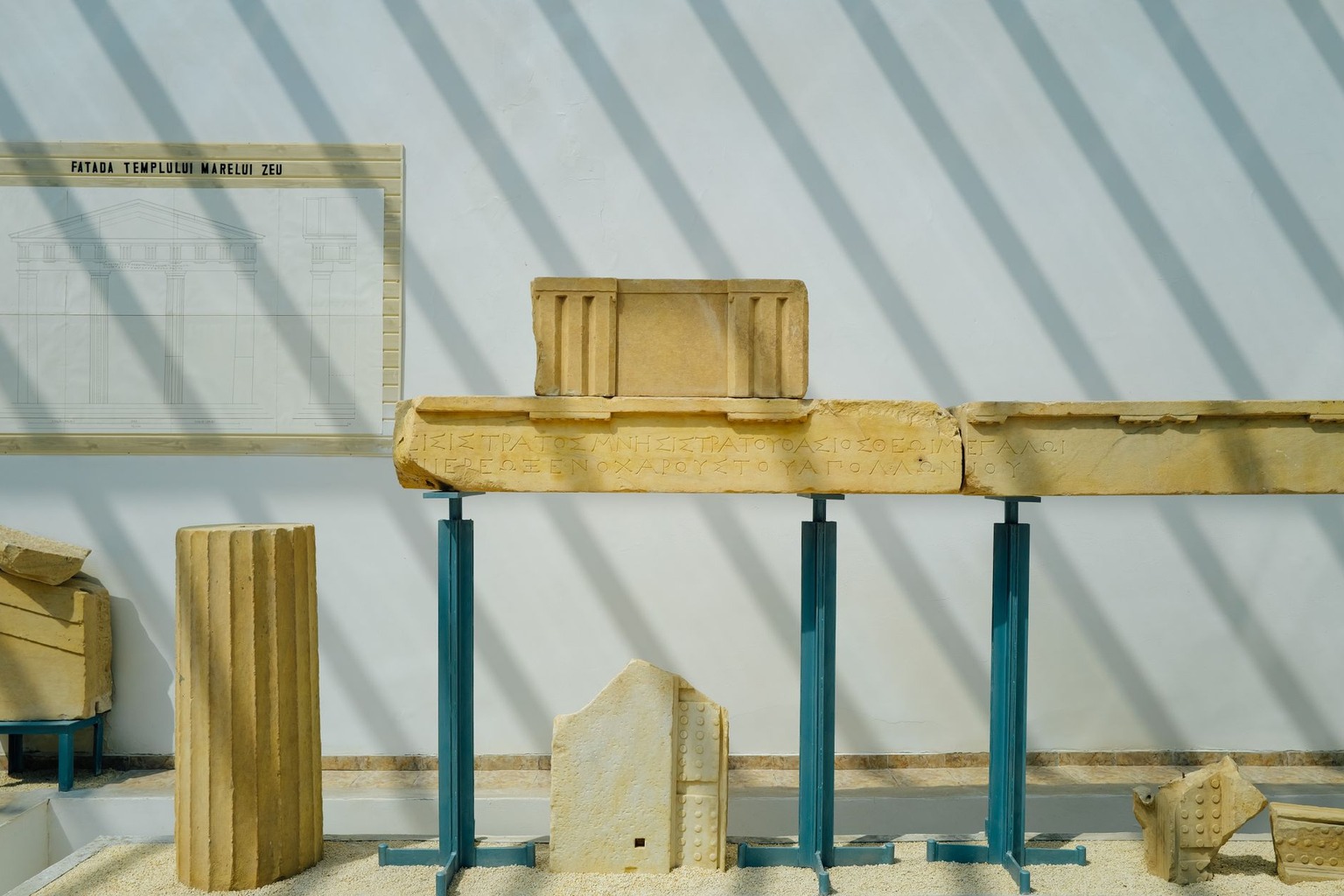
When we compare the Greek approach to the more geometric Mesoamerican style, we see a clear preference for anthropomorphism over abstraction. The Greek artist was interested in the human story behind the stars, whereas the Maya artist was interested in the data behind the stars. This difference in focus has implications for how we interpret the surviving artifacts. Greek frescoes and sculptures often emphasize the emotional and dramatic aspects of celestial events, such as eclipses or comets. The human reaction to these events is central to the composition, highlighting the psychological impact of the cosmos on human life. This is a distinct dimension of astronomical art that is less prominent in cultures that prioritized predictive accuracy over narrative engagement.
The Roman adoption of Greek motifs led to a further elaboration of these themes in public spaces. The ceiling of the Pantheon, with its oculus, serves as a direct architectural reference to the sky, inviting visitors to contemplate the heavens. This architectural choice reflects a cultural value placed on the connection between the terrestrial and the celestial. The motifs used in Roman mosaics and frescoes often include specific star symbols that were recognizable to the educated viewer. This widespread use of astronomical imagery in everyday art suggests that celestial knowledge was a core component of Roman education and culture. It was not confined to specialized scholars but was part of the general intellectual toolkit of the elite.
Symbolic Interpretation in Medieval European Manuscripts
Medieval European art underwent a significant shift in how astronomical motifs were depicted, moving from naturalistic observation to symbolic representation. The influence of Christian theology meant that the stars were often interpreted as symbols of divine order rather than physical objects. This led to a more stylized and less accurate depiction of celestial phenomena. The artist’s goal was to convey spiritual truths rather than scientific facts. For example, the depiction of the moon might include specific phases that correspond to liturgical calendars, linking astronomical cycles to religious observances. This integration of astronomy into the religious calendar created a new layer of meaning for artistic motifs.
Compared to the Islamic emphasis on infinite geometry, medieval European art often focused on the hierarchical structure of the heavens. The concept of the celestial spheres was a central theme, and artists worked to represent this layered structure in their manuscripts. The use of specific colors and materials was also symbolic, with gold leaf often reserved for the highest heavens. This material choice reinforced the idea that the cosmos was a reflection of divine glory. The accuracy of the astronomical data was secondary to the theological message, which resulted in a body of work that is rich in symbolic meaning but less reliable as a scientific record. This difference in priority is a key dimension when comparing different artistic traditions.
The transition from the medieval to the Renaissance period marks a gradual return to empirical observation in art. Artists like Albrecht Dürer began to incorporate accurate astronomical charts into their works, reflecting the growing influence of humanism and scientific inquiry. This shift is evident in the increased detail and precision of celestial depictions in later manuscripts. The artist became a researcher as well as a creator, spending time observing the sky to ensure accuracy. This change in methodology laid the groundwork for the modern separation of art and science, even as the two remained closely linked in the creative process. The motifs of this period bridge the gap between medieval symbolism and modern realism.
Functional Accuracy in Chinese Star Maps
Chinese astronomical art is characterized by a strong emphasis on functional accuracy and the integration of celestial data with cosmological philosophy. The star maps found in tombs and imperial collections are remarkably detailed, showing the positions of stars with a precision that rivals modern observations. These maps were not just artistic expressions but practical tools for navigation and timekeeping. The motifs used to represent stars often include specific shapes and colors that correspond to the five elements in Chinese philosophy. This symbolic layer adds depth to the visual data, connecting the physical sky to the metaphysical structure of the universe.
When compared to the narrative-driven art of Greece, Chinese art focuses on the systematic arrangement of celestial objects. The emphasis is on the relationship between stars and their positions relative to one another, rather than on individual mythological stories. This systematic approach required a high level of standardization in artistic practice, ensuring that the maps were consistent and reliable. The use of specific brushstrokes and ink densities to represent different magnitudes of stars is a sophisticated technique that demonstrates the artist’s attention to detail. This level of precision was essential for the accurate calculation of festivals and the prediction of eclipses, which were crucial for maintaining social order.
The preservation of these star maps in tombs suggests that they were considered valuable objects for the afterlife. This practice indicates a belief that the celestial order continued beyond death, and that the deceased would need to navigate this order in the next life. The artistic motifs used in these maps therefore carried both practical and spiritual significance. They were a bridge between the earthly and the celestial, ensuring that the individual remained connected to the cosmic order. This dual function of the art is a unique feature of Chinese astronomical tradition that distingu it from other cultures. It highlights the holistic nature of Chinese thought, where science, art, and spirituality are inseparable.
Material Constraints and Creative Adaptation
The materials available to ancient artists significantly influenced the types of astronomical motifs they could create. The use of durable materials like stone and metal allowed for the creation of long-lasting records, while more perishable materials like papyrus and parchment limited the preservation of certain works. Artists had to adapt their techniques to suit the medium, leading to variations in style and detail. For example, the incised lines of stone carvings are more angular and precise than the fluid brushstrokes of ink on paper. This material constraint shaped the visual language of astronomical art, creating distinct styles for different media.
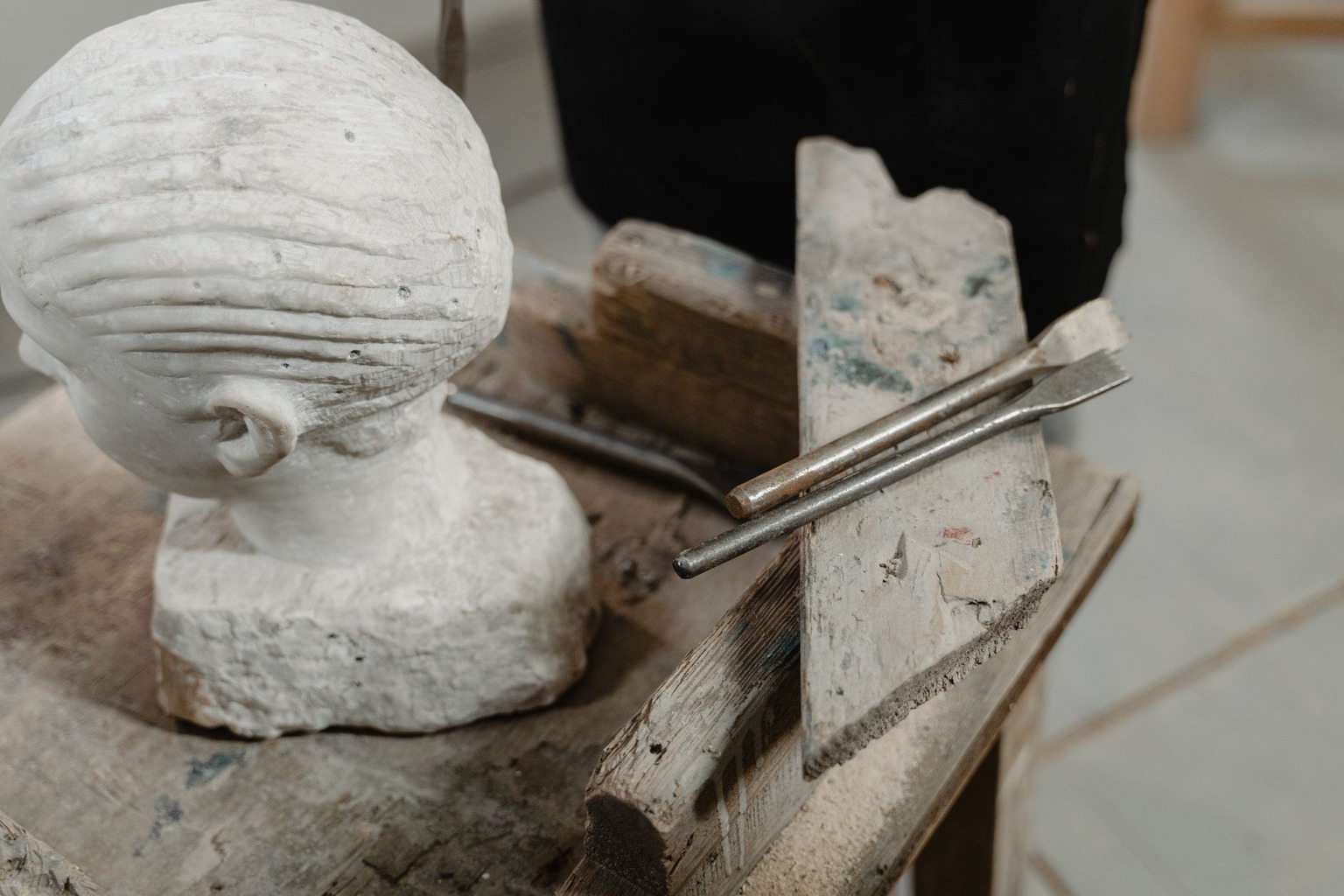
Comparing the material approaches of different cultures reveals interesting differences in artistic priority. The Maya preference for stone carving resulted in a body of work that is highly durable but less flexible in terms of detail. The Islamic use of paper and ink allowed for more intricate and delicate patterns, but these works are more vulnerable to damage. The choice of material was therefore not just a practical decision but a reflection of cultural values regarding permanence and ephemerality. This dimension of materiality is often overlooked in discussions of astronomical art, but it is crucial for understanding the full context of the work.
The interaction between material and motif also influenced the way viewers engaged with the art. A stone carving in a temple was meant to be viewed in a specific light, with shadows enhancing the depth of the motifs. A manuscript page, on the other hand, was meant to be held and examined closely, allowing for the appreciation of fine details. These different modes of engagement shaped the artistic choices made by the creators. Understanding these material and contextual factors is essential for a complete interpretation of astronomy in historical art. It reminds us that art is not just about the image but also about the object that carries it and the environment in which it is displayed.
Digital Reconstruction and Modern Interpretation
Modern technology has allowed for the digital reconstruction of ancient astronomical art, providing new insights into its original appearance and meaning. By using computer modeling and simulation, researchers can recreate the sky as it would have looked to ancient viewers. This process helps to verify the accuracy of the artistic motifs and to identify any discrepancies between the art and the actual sky. The digital tools also allow for the visualization of complex astronomical phenomena, such as precession and nutation, which are difficult to represent in static art. This technological advancement has opened up new avenues for the study of historical astronomy and art.
Comparing the digital reconstructions to the original artifacts reveals the extent to which artists took liberties with the data. In some cases, the artistic motifs are surprisingly accurate, suggesting a high level of observational skill. In other cases, there are noticeable deviations, which may be due to artistic license or a different cosmological model. This comparison highlights the importance of context in interpreting ancient art. The artist was not just a passive recorder of data but an active participant in the construction of meaning. The digital tools allow us to see this process more clearly, by comparing the art to the objective reality of the sky.
The integration of digital technology into the study of astronomy in historical art represents a new phase in the field. It allows for a more rigorous and detailed analysis of the motifs and their underlying data. This approach has the potential to resolve long-standing debates about the accuracy of ancient astronomical records. It also opens up new possibilities for public engagement with these artifacts, as digital models can be shared and explored online. This accessibility helps to bridge the gap between academic research and public understanding, making the rich heritage of astronomical art available to a wider audience. The future of this field lies in the continued collaboration between artists, scientists, and technologists.

I have spent the past decade exploring the intersections of Freemasonry, art, and science, researching historic manuscripts and architectural symbolism. My work as a freelance writer and independent researcher allows me to share the rich history of knowledge that these traditions embody.