Defining the Curated Selection Criteria for Emotional Impact
When evaluating minimalist works, the primary criterion for emotional resonance is the deliberate reduction of visual noise. This approach forces the viewer to engage with the core elements rather than getting distracted by ornamental details. The brain processes sparse information differently, allowing for a deeper cognitive integration of the piece. We assess these works by their ability to create a pause in the viewer’s mental rhythm. This pause is where the initial aesthetic reaction transforms into a sustained emotional state. It is about the quality of attention rather than the quantity of stimuli presented to the eye.
Another critical factor is the precision of the materials and their surface qualities. Minimalist art often relies on industrial or natural materials that have inherent textural stories. The choice between a smooth steel surface and a rough concrete block changes the tactile anticipation of the viewer. These material decisions are not arbitrary but are calculated to evoke specific sensory memories. The tension between the industrial origin of the material and its artistic context creates a unique friction. This friction is where the emotional charge often resides, making the selection process a matter of identifying these subtle tensions.
Scale and spatial relationship form the third pillar of our selection criteria. How a minimalist piece occupies its environment dictates the viewer’s physical and psychological response. A large monochromatic canvas can feel oppressive or liberating depending on the room’s dimensions. The artwork must interact with the surrounding architecture to achieve its full emotional potential. We look for works that command space without demanding attention aggressively. This subtle command of space creates a contemplative atmosphere that is essential for the minimalist experience.
The Neurological Basis of Minimalist Art Emotion
Neuroscientific studies suggest that the brain prefers patterns and simplicity to reduce cognitive load. This preference is rooted in evolutionary mechanisms that prioritize efficient resource allocation for survival tasks. When the visual field is cluttered, the brain expends energy filtering out irrelevant data. Minimalist art bypasses this filtering process by presenting only essential information. Consequently, the brain can allocate more resources to emotional processing and pattern recognition. This shift in neural activity can lead to a state of heightened awareness and sensitivity.
The concept of flow state is closely linked to the experience of minimalist art emotion. Flow occurs when a person is fully immersed in an activity that balances challenge and skill. In viewing art, the challenge is interpreting the sparse visual data, while the skill is the viewer’s perceptual acuity. Minimalist pieces often sit in a sweet spot that invites this immersion without overwhelming the viewer. The lack of complex narrative allows the mind to wander freely within the boundaries of the piece. This freedom is often described as a form of mental rest or cognitive relief.
Dopamine release plays a significant role in the rewards associated with perceiving order and symmetry. Minimalist art frequently employs geometric precision and balanced compositions that satisfy this biological drive. The brain registers the completion of a pattern as a reward, triggering a subtle sense of satisfaction. This biochemical response is immediate and visceral, often occurring before conscious interpretation begins. Understanding this mechanism helps curators and collectors identify pieces that are likely to produce a strong, positive emotional reaction. The simplicity of the form acts as a catalyst for this neurochemical response.
Monochromatic Abstracts as Emotional Anchors
Monochromatic abstract works serve as powerful emotional anchors due to their singular focus on tonal variation. By removing color as a variable, the artist isolates the interplay of light, shadow, and texture. This isolation allows the viewer to experience subtle shifts in mood that are often overlooked in colorful compositions. A deep charcoal grey can evoke feelings of weight and seriousness, while a pale off white can suggest lightness and air. The emotional impact is derived from the nuances within a single hue rather than the contrast between multiple hues.
On the Brainithic channel they explain the psychology of minimalism—you can watch it right here.
These pieces often function as meditative objects that encourage introspection. The uniformity of the color field creates a sense of stability and calm. Viewers often report feeling a sense of grounding when standing before a large monochromatic canvas. The lack of distinct forms or subjects removes the need for narrative decoding. This absence of story allows the viewer to project their own internal state onto the surface. The art becomes a mirror rather than a window, reflecting the viewer’s current emotional landscape.
The materiality of monochromatic works is particularly important for their emotional effect. Brushstrokes or impasto textures add a physical dimension that engages the visual sense of touch. The roughness of the paint application can convey energy and movement within the static surface. Conversely, a smooth, matte finish can suggest stillness and patience. These textural choices guide the emotional journey of the piece, creating a dynamic experience despite the visual simplicity. The interplay between surface and light changes throughout the day, adding a temporal element to the emotional response.
Geometric Precision and the Psychology of Order
Geometric minimalist art appeals to the human desire for structure and predictability in a chaotic world. The use of clean lines and precise angles provides a sense of control and clarity. This structural integrity can be emotionally reassuring, offering a visual refuge from disorder. The symmetry and proportion in these works align with mathematical principles that are inherently pleasing to the human brain. The emotional response is often one of awe or respect for the precision and discipline required to create such forms.
The repetition of geometric shapes can create a rhythmic visual experience that resonates with the viewer’s internal sense of time. Patterns and grids can induce a trance-like state where the mind slows down and observes the details. This rhythmic quality is reminiscent of musical structures, creating a harmonious interaction between eye and mind. The emotional impact is cumulative, building as the viewer’s gaze moves across the repeating elements. This gradual build-up can lead to a profound sense of calm and focus.
The choice of color in geometric works often serves to highlight the structural elements rather than distract from them. High contrast combinations can create a dynamic tension that energizes the viewer. Lower contrast schemes can soften the impact, creating a more subdued and contemplative atmosphere. The emotional tone is dictated by the relationship between the shapes and the colors used to define them. This interplay allows for a wide range of emotional expressions, from aggressive and bold to gentle and harmonious. The precision of the execution is paramount, as any deviation from the intended geometry can disrupt the emotional balance of the piece.
Industrial Materials and Raw Emotional Truth
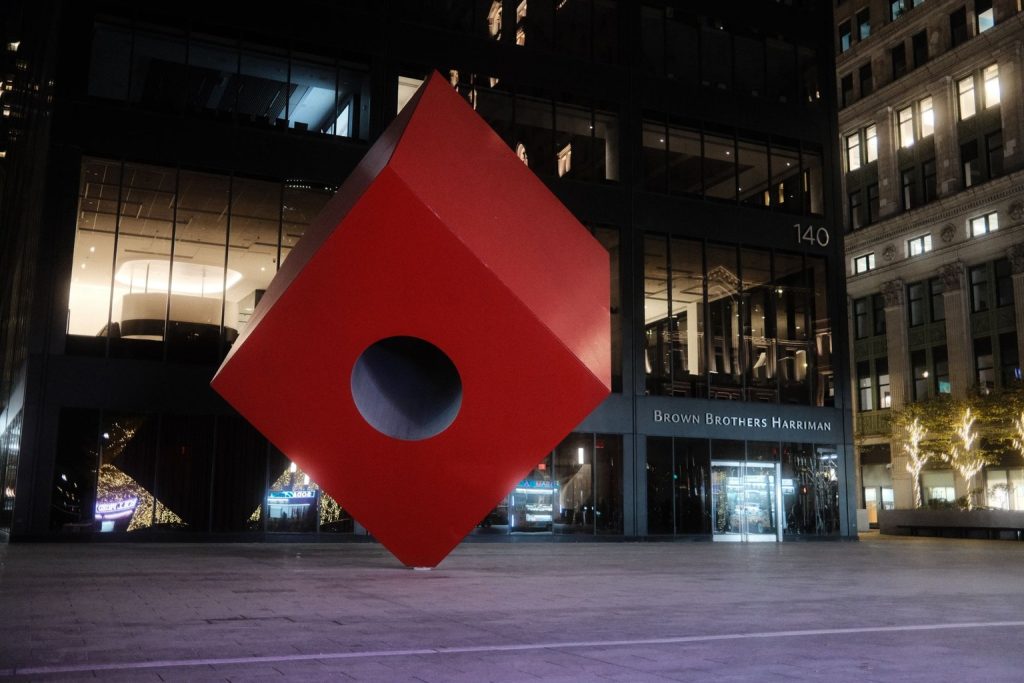
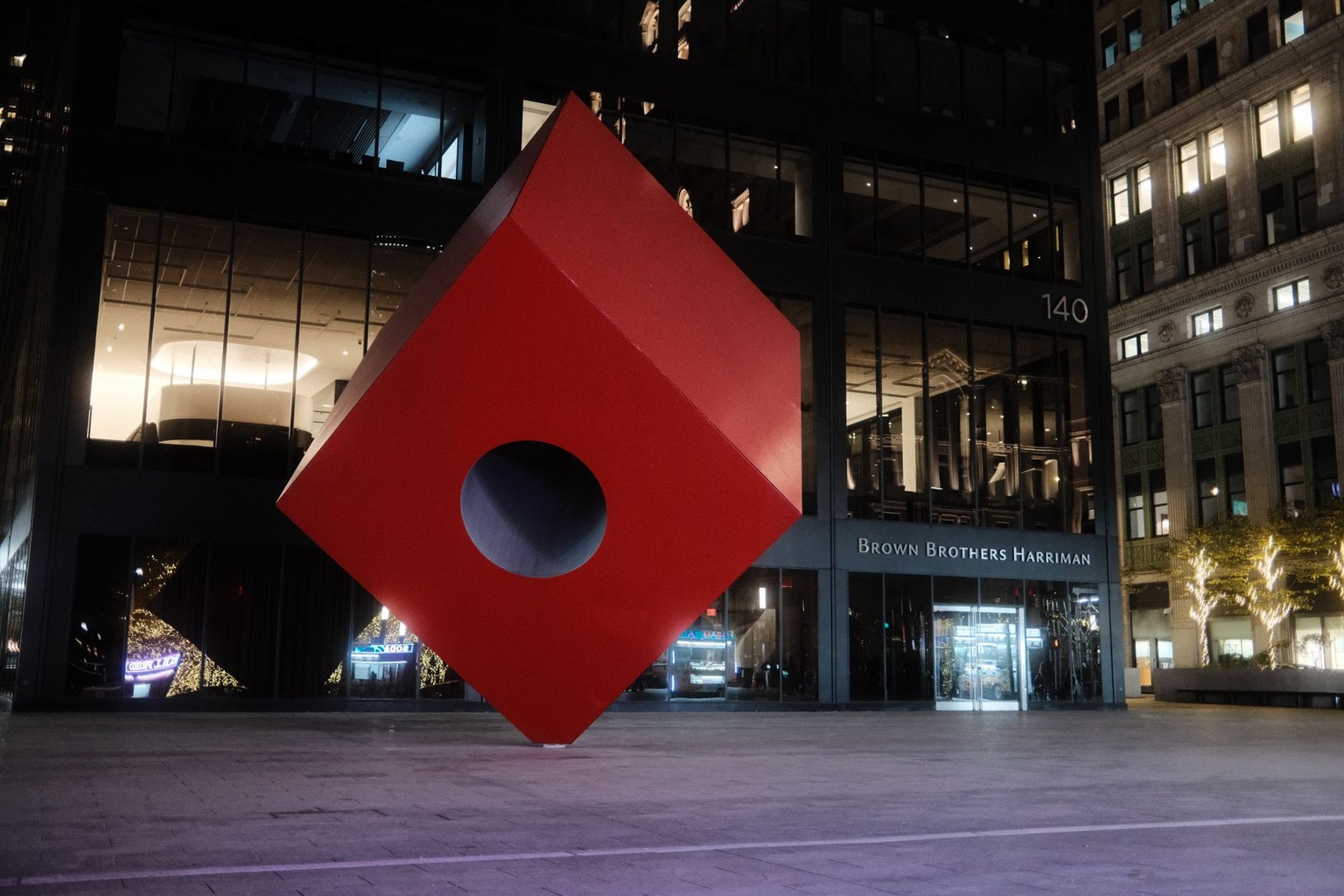
Industrial materials such as steel, glass, and concrete bring a sense of authenticity and rawness to minimalist art. These materials carry the history of human labor and industrial processes, adding a layer of narrative depth. The emotional connection is often grounded in the tangible reality of the physical world. The coldness of metal or the weight of stone can evoke feelings of permanence and endurance. This connection to the material world provides a counterbalance to the often ethereal nature of abstract art.
The imperfections in industrial materials are often preserved rather than hidden, adding to the emotional complexity. Scratches, rust, and seams become part of the aesthetic language, telling stories of time and use. These marks of age and wear create a sense of intimacy and authenticity. The viewer is invited to appreciate the beauty in the flawed and the unfinished. This acceptance of imperfection can be emotionally liberating, challenging the cultural obsession with perfection and polish.
The interaction between industrial materials and light is a key factor in the emotional impact. Reflective surfaces can create dynamic visual effects that change with the viewer’s position. Transparent materials like glass can introduce a sense of fragility and vulnerability. The juxtaposition of strong, heavy materials with delicate, transparent ones creates a tension that is emotionally engaging. This tension reflects the complex nature of human experience, where strength and vulnerability often coexist. The emotional response is multifaceted, capturing the duality of the human condition.
Negative Space and the Power of Silence
Negative space, or the empty areas surrounding the main subject, is a crucial element in minimalist art. This empty space is not a void but an active component that shapes the perception of the artwork. The emotional impact of negative space is often one of quietude and reflection. It allows the viewer to fill the emptiness with their own thoughts and feelings. This participatory aspect makes the experience personal and unique to each viewer. The silence of the space amplifies the presence of the form, creating a powerful contrast.

The use of negative space can evoke feelings of isolation or freedom, depending on the context. A single object in a vast white field can feel lonely or majestic. The emotional resonance is heightened by the scale of the emptiness. This spatial relationship encourages the viewer to contemplate the boundaries of the object and the space it occupies. The tension between the occupied and the unoccupied areas creates a dynamic equilibrium. This equilibrium is a source of emotional stability and balance.
In digital and visual culture, negative space offers a respite from the constant stream of information. The emotional benefit is a sense of mental clarity and focus. By providing a visual rest, minimalist art helps the viewer to reset their attention. This reset is essential in a world that is increasingly saturated with stimuli. The power of silence in art lies in its ability to create space for internal dialogue. This internal dialogue is where the deepest emotional connections are formed. The art becomes a tool for self-reflection and emotional processing.
Choosing the Right Piece for Your Space and State
Selecting the right minimalist piece requires an assessment of the specific emotional needs of the space. A home office may benefit from a geometric work that promotes focus and clarity. A bedroom might require a monochromatic abstract that encourages relaxation and calm. The emotional goal of the space dictates the type of minimalist art that will be most effective. It is important to consider the daily activities that occur in that space. The art should support and enhance the intended emotional atmosphere.
The personal emotional state of the viewer is also a critical factor in the selection process. Someone seeking stimulation may prefer a high contrast geometric piece with bold colors. Someone seeking peace may gravitate toward a soft tonal abstract with negative space. The art should resonate with the viewer’s current emotional needs. This resonance creates a positive feedback loop, where the art reinforces the desired emotional state. The choice is deeply personal and should not be dictated solely by trends or fashion.
Finally, the interaction between the art and the existing architecture must be considered. The proportions and scale of the piece should harmonize with the room’s dimensions. A large piece in a small room can feel overwhelming, while a small piece in a large room can feel lost. The emotional impact is diminished if the spatial relationship is unbalanced. Careful consideration of these factors ensures that the minimalist art fulfills its potential as an emotional anchor. The result is a space that is both aesthetically pleasing and emotionally supportive.

I have spent the past decade exploring the intersections of Freemasonry, art, and science, researching historic manuscripts and architectural symbolism. My work as a freelance writer and independent researcher allows me to share the rich history of knowledge that these traditions embody.