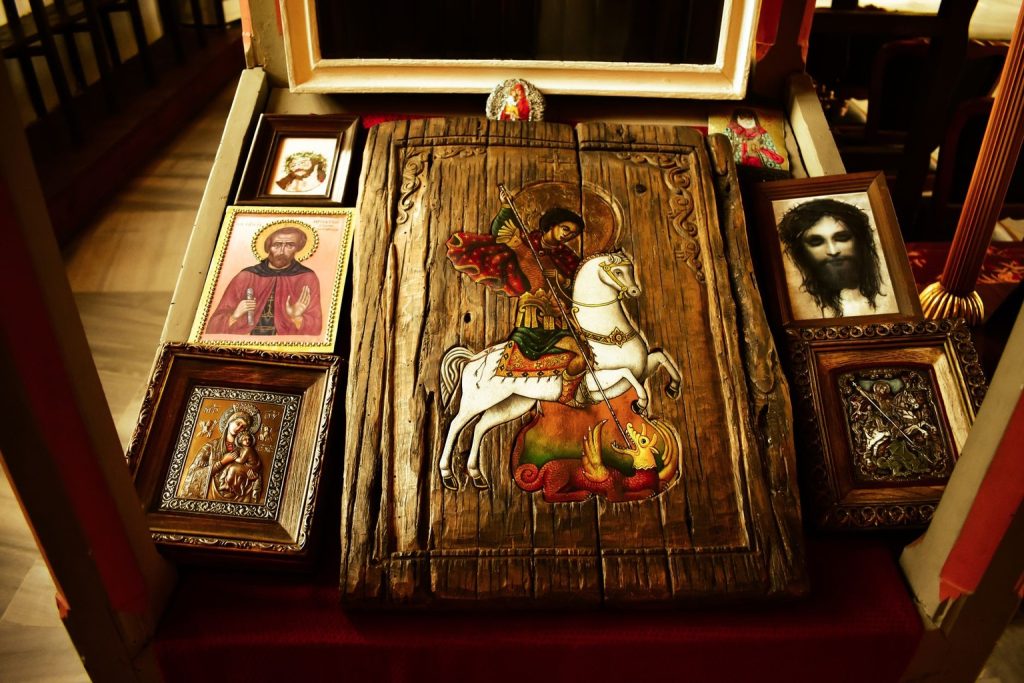
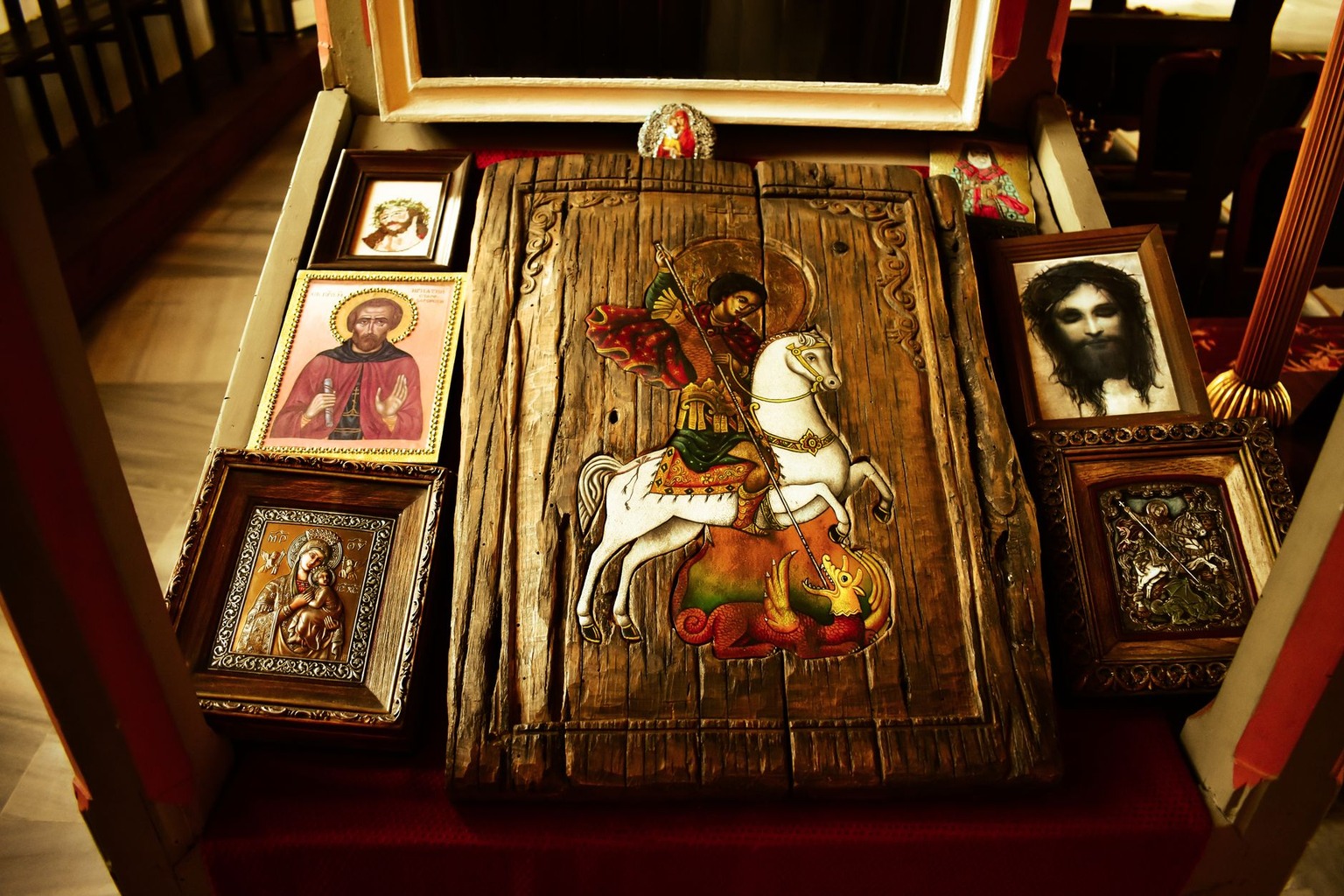
The enduring power of artistic symbolism, particularly in sacred contexts, lies not merely in aesthetic appeal but in profound psychological underpinnings that connect diverse human experiences across vast cultural divides. Understanding why certain symbols resonate universally, especially within the realm of religious art, requires an exploration of the intersection between human cognition, shared emotional landscapes, and the evolutionary history of our species. This article examines the psychological dimensions that make universal symbols in religious art so potent, exploring how they tap into fundamental aspects of the human psyche and foster a sense of collective meaning and understanding.
The Archetypal Resonance of Form
Carl Jung’s concept of archetypes provides a foundational framework for understanding the widespread appeal of certain symbols. These archetypes are universal, archaic patterns and images that derive from the collective unconscious, a part of the human psyche that is inherited and shared by all individuals. Within the visual language of art, these archetypes manifest as recurring motifs and forms that evoke deep, instinctual responses. For instance, the circle, a symbol of wholeness, unity, and the divine, appears in mandalas, halos, and cosmological diagrams across numerous traditions, not because of direct cultural transmission, but because it represents a fundamental human perception of completeness and cosmic order.
The cross, another ubiquitous symbol, carries layered meanings rooted in both ancient astronomical observations and later theological interpretations. Its vertical and horizontal axes can represent the connection between the earthly and the divine, or the balance of opposing forces. The psychological impact of such forms is often pre-verbal, tapping into a primal recognition of order, balance, or transcendence. Art that effectively employs these archetypal forms speaks directly to this deep psychological reservoir, making its meaning accessible and powerful even to those unfamiliar with its specific cultural or historical context.
Emotional Universals and Shared Human Experience
Beyond abstract archetypes, artistic symbols often gain their universal resonance by tapping into shared human emotions and experiences. Concepts like birth, death, suffering, joy, and the search for meaning are universal to the human condition. Artists across cultures have developed symbolic languages to express these fundamental aspects of life, leading to convergent visual strategies. The image of a weeping figure, for example, universally conveys sorrow and loss, regardless of the specific religious or cultural narrative it is embedded within.
Consider the symbolism of light and darkness. While specific interpretations vary, the psychological association of light with hope, knowledge, and the divine, and darkness with fear, ignorance, and chaos, is deeply ingrained in human psychology. Artists frequently use these visual cues in religious art to guide the viewer’s emotional response and reinforce thematic elements. The radiant glow emanating from a divine figure or the deep shadows engulfing a scene of tribulation activate these shared emotional pathways, making the artwork’s message emotionally potent and widely understood.
Cognitive Biases and Pattern Recognition
The human brain is hardwired for pattern recognition, a cognitive bias that plays a significant role in how we process and respond to symbols. We are naturally inclined to find meaning in perceived patterns, and artistic symbols, especially those that are simplified and recurring, capitalize on this predisposition. The human face, for instance, is a powerful symbol that elicits immediate recognition and emotional engagement due to our innate social processing capabilities. The depiction of eyes, in particular, can convey a sense of presence, awareness, or judgment, a theme frequently explored in religious art where divine oversight is a central tenet.
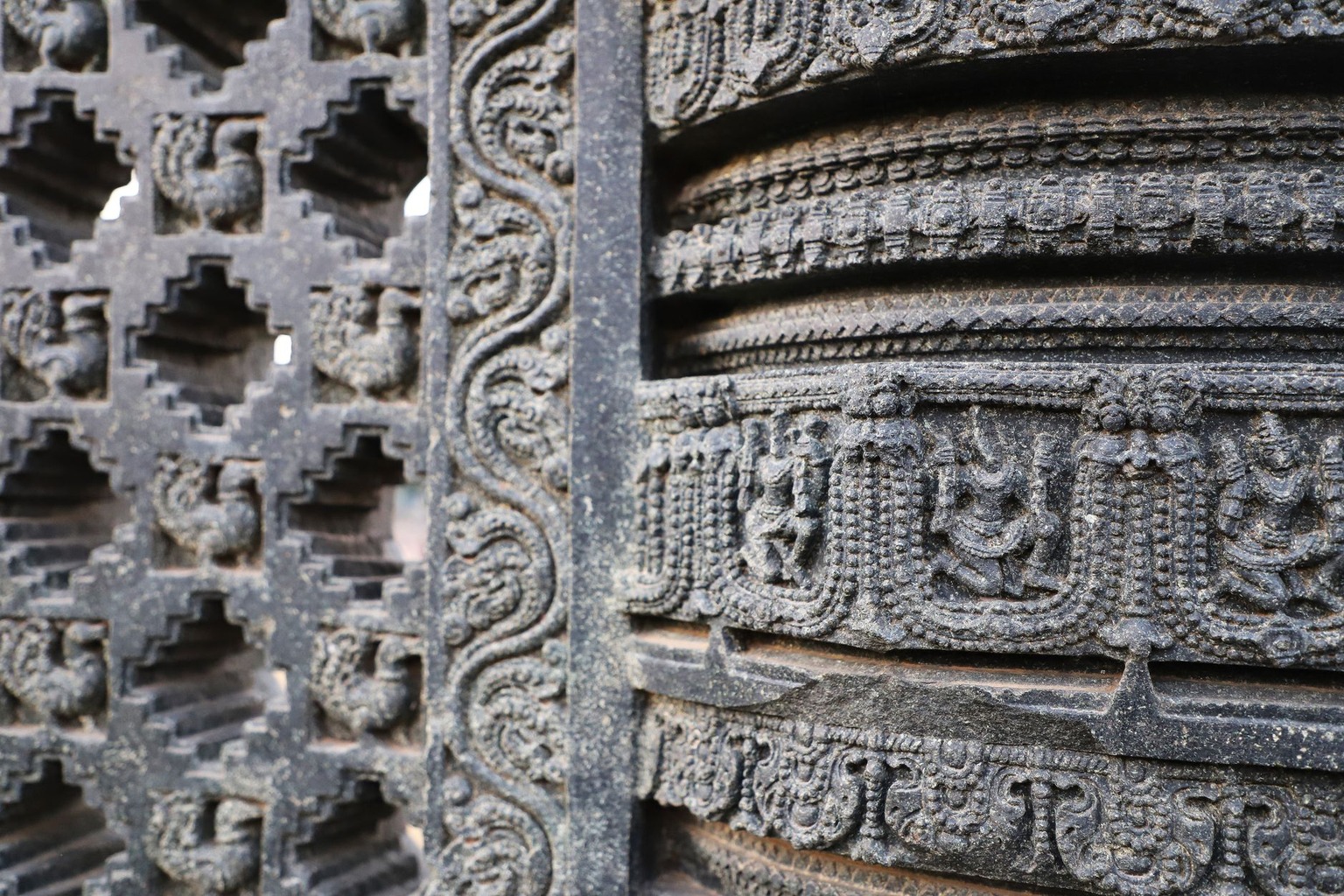
This drive to find order and meaning also explains the enduring appeal of geometric patterns and symmetrical compositions in sacred art. These visual structures are inherently pleasing to the brain because they represent order and predictability. The use of symmetry in temple architecture or the repetition of sacred geometries in mosaics and textiles can induce a sense of harmony and balance, psychologically preparing the viewer to receive the symbolic messages embedded within. This cognitive predisposition to seek and appreciate order makes structured visual language a powerful tool for conveying complex spiritual ideas.
The Social and Cultural Transmission of Meaning
While innate psychological predispositions provide a fertile ground for symbolic resonance, the enduring power of specific symbols is also shaped by their social and cultural transmission. Over time, certain forms and images become deeply embedded within a culture’s collective memory, acquiring layers of meaning through stories, rituals, and communal practices. These shared narratives reinforce the symbolic significance of an image, making it a potent carrier of cultural identity and spiritual tradition. The image of a lotus flower, for example, carries specific connotations of purity and enlightenment within Buddhist traditions, reinforced by centuries of art, literature, and meditation practices.
The process of enculturation ensures that individuals learn to interpret these symbols within their specific context. However, the psychological depth of these symbols, rooted in archetypes and emotional universals, allows them to transcend their original cultural boundaries and resonate with people from different backgrounds. When viewed by an outsider, a well-understood sacred symbol might still evoke a sense of awe, mystery, or spiritual weight, even if the specific historical or narrative details are unknown. This capacity for cross-cultural emotional and psychological impact is a hallmark of truly powerful artistic symbolism.
The Role of Ritual and Embodied Experience
Sacred symbols are rarely encountered in isolation; they are often integrated into rituals and embodied experiences that deepen their psychological impact. Practices such as chanting, meditation, or communal ceremonies imbue symbols with a tangible, felt sense of meaning. The physical act of drawing a symbol, wearing it as an amulet, or observing it within a sacred space creates a multi sensory engagement that strengthens its connection to memory and emotion. For example, the use of specific hand gestures, or mudras, in Buddhist art and practice, visually represents specific mental states or blessings, and performing these gestures can help to internalize their meaning.
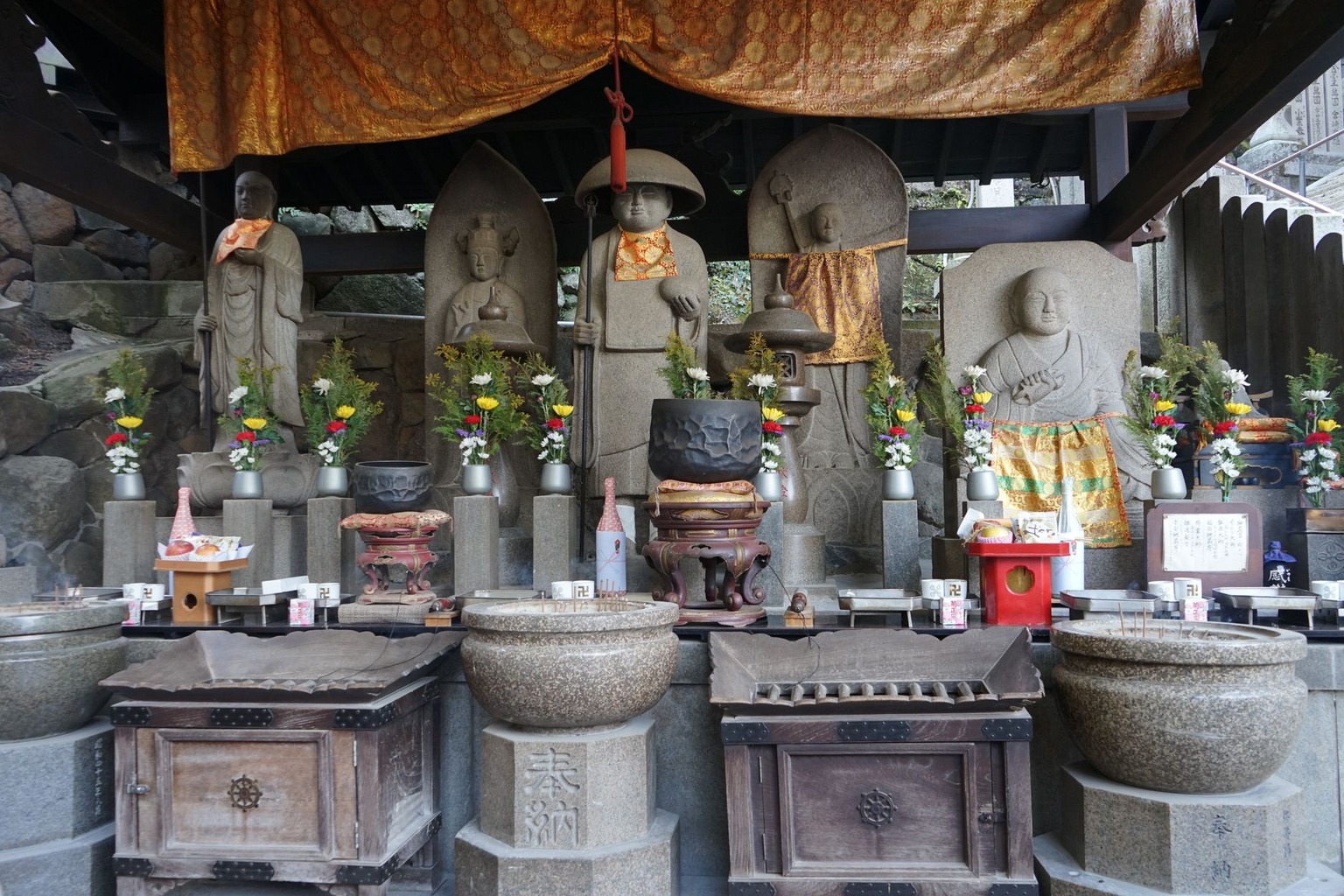
The experience of trance states, as observed in some healing traditions, further illustrates this point. During trance, individuals may have profound symbolic experiences that feel deeply personal yet echo universal themes. The art associated with such practices often uses abstract or highly stylized forms that bypass rational thought and speak directly to the subconscious. This connection between symbolic art, ritual, and altered states of consciousness highlights how embodied and emotional engagement can amplify the psychological resonance of sacred imagery, making it a powerful conduit for spiritual experience.
The Evolving Nature of Symbolism
While some sacred symbols possess an ancient and seemingly immutable power, artistic symbolism is also a dynamic and evolving phenomenon. As societies change, so too do the ways in which symbols are interpreted and employed. Artists often engage with existing symbolic traditions, reinterpreting them for contemporary audiences or using them to address new social and spiritual concerns. This ongoing dialogue between tradition and innovation ensures that symbolic art remains relevant and continues to engage the human psyche. The adaptation of traditional religious iconography in modern art, for instance, can create new layers of meaning and provoke fresh contemplation.
The psychological impact of a symbol can shift over time, influenced by historical events, philosophical developments, and cultural shifts. However, the underlying psychological mechanisms that make symbols resonate, archetypal resonance, emotional universals, and cognitive predispositions, remain remarkably consistent. This enduring capacity of artistic symbolism to connect with fundamental aspects of human experience is what allows certain sacred symbols to maintain their power and relevance across generations and across cultures, continuing to inspire awe and foster understanding.

I have spent the past decade exploring the intersections of Freemasonry, art, and science, researching historic manuscripts and architectural symbolism. My work as a freelance writer and independent researcher allows me to share the rich history of knowledge that these traditions embody.