

The human brain treats symmetrical forms as signals of health, stability, and biological fitness, a preference that drives our attraction to faces, architecture, and abstract art. This reaction is not merely cultural conditioning but a hardwired neural response rooted in visual processing efficiency and evolutionary survival strategies. When you observe a balanced composition in a gallery or a mirrored face in a portrait, your neural networks fire in specific patterns that reward you with a subtle sense of pleasure. Understanding this mechanism helps artists, designers, and critics articulate why certain works resonate while others feel jarring or incomplete. The neuroscience of aesthetic symmetry reveals that our appreciation for balance is a measurable cognitive event, not just a subjective opinion.
Preparing Your Visual Perception Lab
To grasp how the brain processes balance, you need to understand the basic architecture of the visual cortex, which handles spatial information in distinct layers. The primary visual area, known as V1, strips images down to basic edges and orientations before higher areas reconstruct them into meaningful shapes. If you are studying art or design, recognize that your eyes do not just see; they actively predict patterns and flag deviations from expected regularity. This predictive coding theory suggests that the brain constantly minimizes prediction errors, and symmetry reduces these errors significantly because it is easier to process than random noise. You can simulate this by looking at a chaotic abstract painting for ten seconds, then a perfectly symmetrical geometric figure, and noting the immediate drop in cognitive strain.
You should also familiarize yourself with the concept of processing fluency, which measures how easily information flows through your mental systems. When an image is symmetrical, it requires less computational power to decode, and this efficiency triggers a positive affective response that we interpret as beauty. Researchers have shown that even infants prefer symmetrical patterns over random ones, proving that this preference precedes any cultural exposure or artistic education. By understanding fluency, you can stop viewing symmetry as a simple rule of thumb and start seeing it as a neurological shortcut that saves mental energy during visual analysis.
Mapping the Neural Reward Circuit
The moment you perceive a balanced form, your brain activates a reward network involving the ventromedial prefrontal cortex and the caudate nucleus. These areas are responsible for assigning value to stimuli, effectively telling you that this object is “good” or “rewarding” without any conscious decision from your part. Functional MRI studies show that the more symmetrical the stimulus, the stronger the activation in these reward centers, creating a direct link between geometric regularity and emotional satisfaction. This is why a perfectly proportioned building facade feels satisfying to look at; your brain is literally rewarding you for processing an efficient visual input.
You must distinguish this automatic reward from the complex appreciation of artistic style or narrative content. The neural reward for symmetry happens in milliseconds, well before you can analyze the artist’s intent or the historical context of the work. This rapid firing explains why symmetrical errors in a composition feel so jarring; they disrupt the expected reward signal and create a mild cognitive dissonance that demands resolution. Artists who master this timing know that the initial visual impact relies heavily on these subliminal neural rewards before the viewer engages with deeper intellectual layers.
Analyzing Facial Symmetry as a Biological Cue
Human faces serve as the most potent test case for symmetry preferences because they combine biological health signals with social communication needs. Deviations from facial symmetry, known as fluctuating asymmetry, often indicate developmental instability or genetic defects that would have reduced survival chances in our ancestors. Your brain uses these subtle asymmetries as a heuristic for assessing mate quality and social trustworthiness, which is why people with more symmetrical faces are consistently rated as more attractive in cross-cultural studies. This biological imperative shapes how we compose portraits and how we perceive the “ideal” face in classical and contemporary art alike.
If you want to dive deeper into this topic, the YouTube channel DoodleMogger explains how our brains process symmetry, and you can watch it right here.
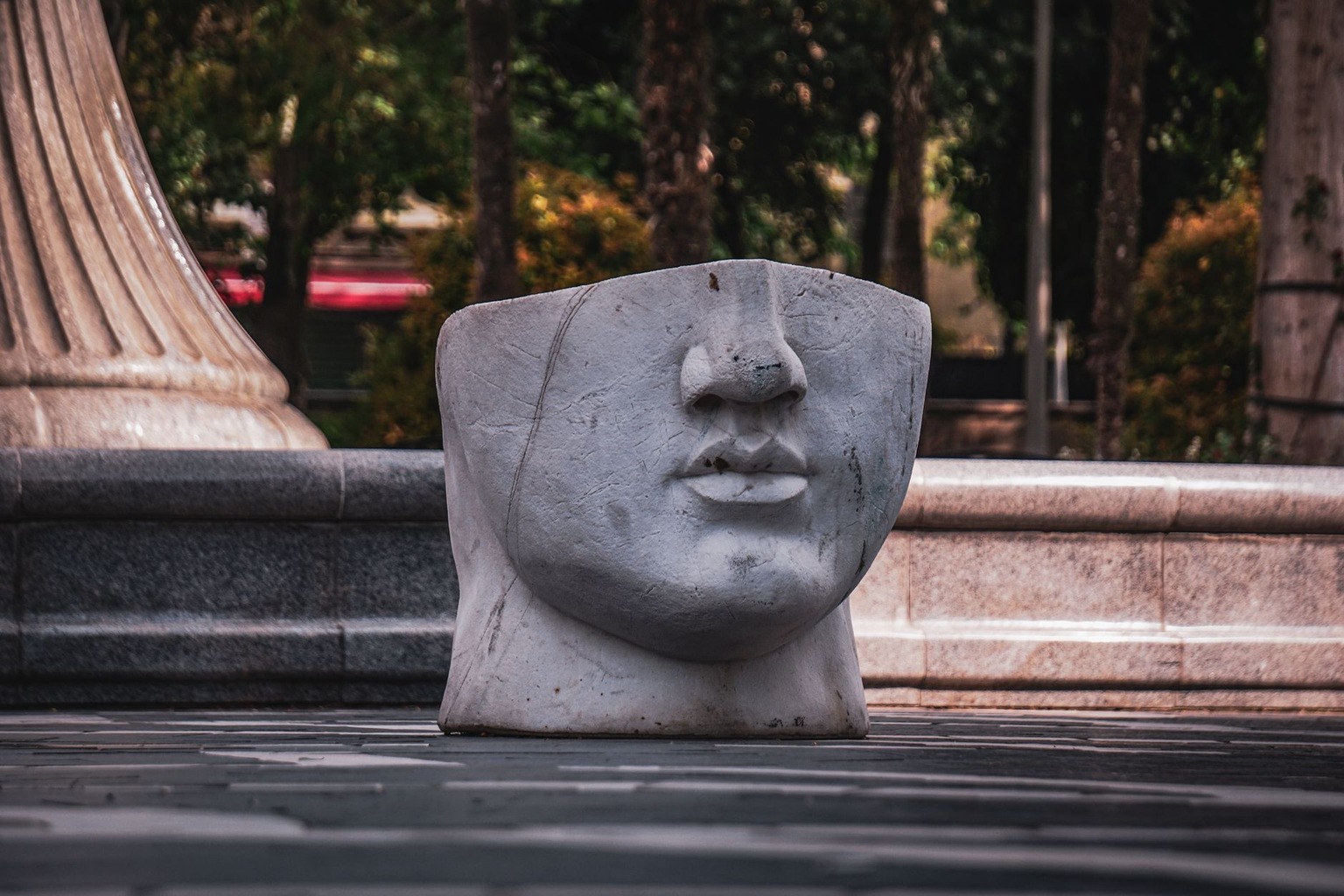
However, you should note that perfect symmetry can sometimes feel uncanny or artificial, a phenomenon linked to the uncanny valley effect where near-perfect replicas trigger unease rather than delight. There is an optimal range of slight asymmetry that signals natural biological variation without suggesting developmental issues. Artists often exploit this by introducing subtle irregularities in facial features to maintain realism and emotional warmth, avoiding the sterile perfection that can make a subject feel like a mannequin. Understanding this balance allows you to critique portraits with a more nuanced eye for what constitutes natural beauty versus artificial idealization.
Evaluating Architectural and Abstract Compositional Balance
In architecture and abstract art, symmetry functions as a structural anchor that provides visual stability and a clear hierarchy of elements. A centrally aligned composition guides the viewer’s eye through a predictable path, reducing cognitive load and allowing the viewer to focus on texture, color, or detail rather than searching for orientation. This is why classical temples and many modernist designs rely on bilateral symmetry; they offer a resting point for the visual system in a world filled with chaotic visual noise. You can apply this principle by analyzing how a single off-center element in a symmetrical composition creates tension and directs attention to that specific focal point.
You should also consider radial symmetry, which differs from bilateral symmetry by distributing balance around a central axis rather than a vertical line. Radial patterns, seen in mandalas and rose windows, engage different neural pathways that associate circular motion with safety and containment. This type of symmetry often evokes a meditative state, making it a common choice in spiritual art and contemplative spaces. When evaluating abstract works, look for how the artist uses radial balance to create a sense of infinite regression or cosmic order, which can be more disorienting than the grounded stability of bilateral forms.
Identifying Common Mistakes in Symmetry Analysis
A frequent error in analyzing aesthetic symmetry is assuming that perfect mathematical balance always results in maximum beauty, ignoring the role of tension and asymmetry in creating dynamic interest. Many beginners critique a work for being “unbalanced” without recognizing that slight deviations can add vitality and prevent the composition from feeling static or lifeless. You should look for intentional asymmetries that break the pattern just enough to create visual rhythm, similar to how a syncopated beat makes music more engaging than a steady metronome tick. Learning to spot these subtle breaks helps you appreciate the artist’s control over visual tension and release.
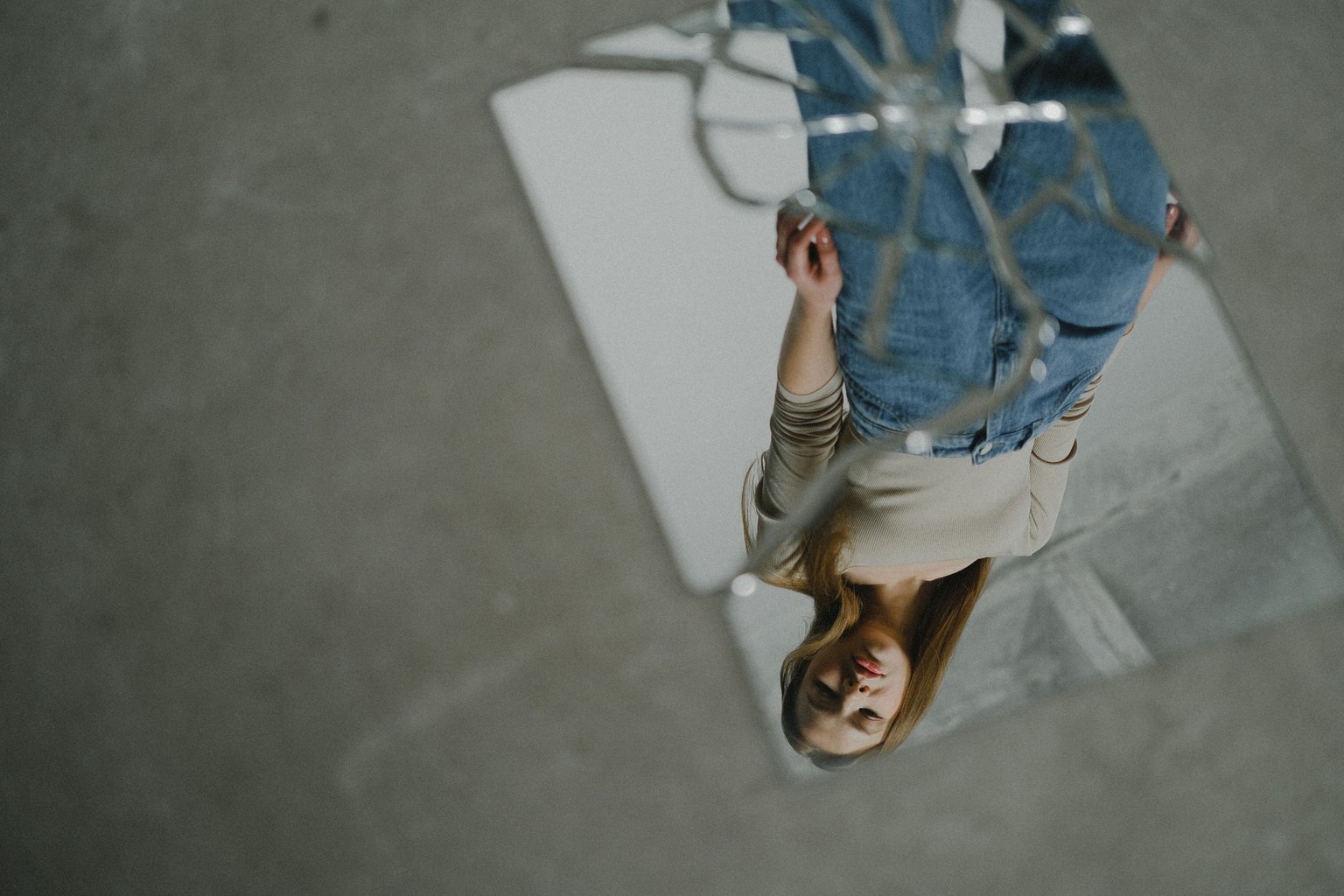
Another mistake is conflating symmetry with simplicity, assuming that symmetrical works are automatically easier or less complex to produce than asymmetrical ones. In reality, achieving perfect symmetry often requires more precision and control because any deviation is immediately noticeable and disruptive to the overall effect. Asymmetrical compositions can hide small errors within the complexity of their arrangement, whereas symmetrical works expose every flaw with brutal clarity. This distinction is crucial for understanding the technical skill required in different artistic traditions and for evaluating the craftsmanship behind a piece.
Applying Neural Insights to Your Own Creative Practice
If you are creating art, design, or visual media, use the knowledge of neural reward circuits to structure your compositions for maximum immediate impact. Start with a strong symmetrical foundation to secure the viewer’s attention and provide a sense of order, then introduce controlled asymmetries to guide the eye and create narrative depth. This approach leverages the brain’s preference for efficiency while satisfying its desire for novelty and engagement. You can test this by creating two versions of a design: one perfectly symmetrical and one with a slight offset, and observe which one holds your own attention longer and feels more dynamic.
Finally, pay close attention to the processing fluency of your final piece by asking yourself if any element feels like it requires extra effort to locate or understand. If a viewer has to work too hard to find the balance, the neural reward is delayed or diminished, leading to a weaker aesthetic response. Aim for a composition that feels effortless at first glance but reveals layers of complexity upon closer inspection, satisfying both the rapid reward system and the deeper analytical mind. This dual-layer approach ensures your work resonates on multiple neurological levels, from the initial spark of pleasure to the sustained engagement of intellectual curiosity.

I have spent the past decade exploring the intersections of Freemasonry, art, and science, researching historic manuscripts and architectural symbolism. My work as a freelance writer and independent researcher allows me to share the rich history of knowledge that these traditions embody.