The Intersection of Art and Science: Understanding Symmetry
Symmetry serves as a profound concept that bridges the worlds of art and science, revealing the underlying patterns that govern both disciplines. In art, symmetry often manifests in visual compositions that appeal to our sense of beauty and balance, while in science, it appears in the laws of physics and biology that dictate the structure and behavior of the universe. This exploration of symmetry not only enhances our appreciation of artistic works but also deepens our understanding of natural phenomena. By examining how symmetry operates in both realms, we gain insight into the interconnectedness of creativity and logic, highlighting the aesthetic dimensions of scientific inquiry and the scientific principles that inform artistic expression.
The Role of Symmetry in Visual Arts
In the visual arts, symmetry is a fundamental principle that artists leverage to create aesthetically pleasing compositions. From the balanced proportions of classical sculptures to the intricate designs of modern paintings, symmetry can evoke harmony and stability. Artists like Leonardo da Vinci and Michelangelo utilized symmetrical arrangements to guide the viewer’s eye and create a sense of order within their works. Furthermore, the use of symmetry in art often reflects cultural values; for instance, many ancient civilizations, such as the Egyptians and Greeks, incorporated symmetrical designs in their architecture and artifacts to symbolize balance and perfection.
Beyond traditional forms, contemporary artists experiment with symmetry in innovative ways, challenging conventional definitions of beauty. Artists like M.C. Escher employed mathematical principles of symmetry to create mind-bending works that play with perspective and spatial relationships. These explorations not only push the boundaries of artistic expression but also invite viewers to engage with the underlying mathematical concepts that govern symmetry, blurring the lines between art and science.
Mathematical Foundations of Symmetry
The study of symmetry in mathematics is rich and complex, encompassing various branches such as geometry, algebra, and group theory. At its core, symmetry involves the idea of invariance under certain transformations, such as rotation, reflection, or translation. This mathematical framework allows us to categorize different types of symmetry, including bilateral, radial, and translational symmetry, each with unique properties and applications. Understanding these mathematical principles equips artists and scientists alike with tools to analyze and create works that resonate on multiple levels.
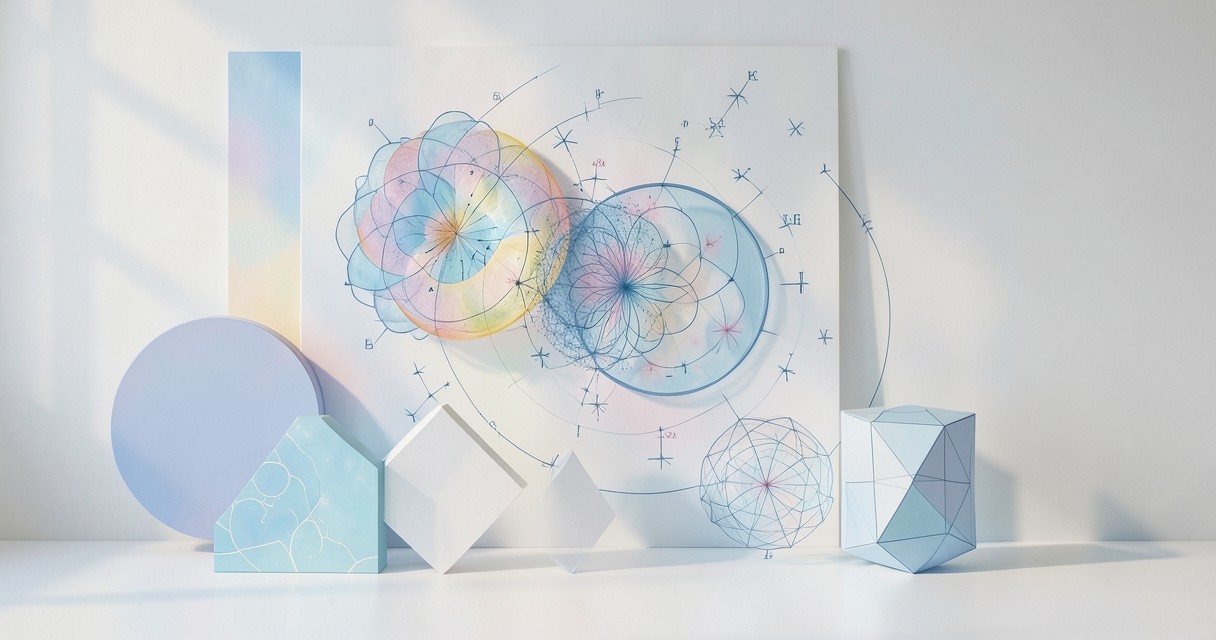
For instance, group theory, which studies symmetry through algebraic structures, has profound implications in both mathematics and physics. It provides a language to describe the symmetries of physical systems, from the electron configurations in atoms to the symmetries observed in particle physics. This interplay between mathematical symmetry and physical laws illustrates how deeply interconnected these fields are, underscoring the importance of a multidisciplinary approach to understanding the world around us.
Symmetry in Nature: Patterns and Structures
Nature is replete with examples of symmetry, from the radial patterns of flowers to the bilateral symmetry of animals. This prevalence of symmetry is not merely aesthetic; it often serves critical functions in the survival and reproduction of species. For example, the symmetrical patterns on a butterfly’s wings not only attract mates but also play a role in camouflage and predator avoidance. The study of these natural symmetries leads to a deeper appreciation of the evolutionary processes that shape life on Earth.
Biologists and ecologists examine symmetry as a marker of health and fitness in organisms. Symmetrical features are often associated with genetic stability and environmental adaptability. This relationship between symmetry and biological fitness has implications for understanding species diversity and the dynamics of ecosystems. By analyzing these patterns, scientists can glean insights into evolutionary strategies and ecological interactions, further affirming the connection between art, science, and the natural world.
Symmetry in Physics: The Laws of the Universe
In physics, symmetry plays a crucial role in formulating and understanding fundamental laws governing the universe. The principle of symmetry underlies key theories, such as Einstein’s theory of relativity and the Standard Model of particle physics. These theories reveal that the laws of physics remain invariant under certain transformations, illustrating how symmetry can dictate the behavior of matter and energy across different scales.
For instance, the conservation laws of momentum and energy are rooted in symmetrical properties of space and time. These principles not only guide physicists in their theoretical explorations but also inform experimental designs, as researchers seek to uncover new particles and forces. The quest to understand these symmetries can lead to groundbreaking discoveries, illustrating the dynamic interplay between theoretical predictions and empirical observations in the scientific method.
Artistic Interpretations of Scientific Symmetry
Artists have long been inspired by the principles of symmetry found in science, using these concepts as a foundation for their creativity. This fusion of art and science can be observed in various forms, from sculpture and painting to digital art and installation. Artists like Anish Kapoor and Olafur Eliasson create immersive experiences that engage viewers with the mathematical and physical properties of symmetry, inviting them to ponder the nature of reality and perception.
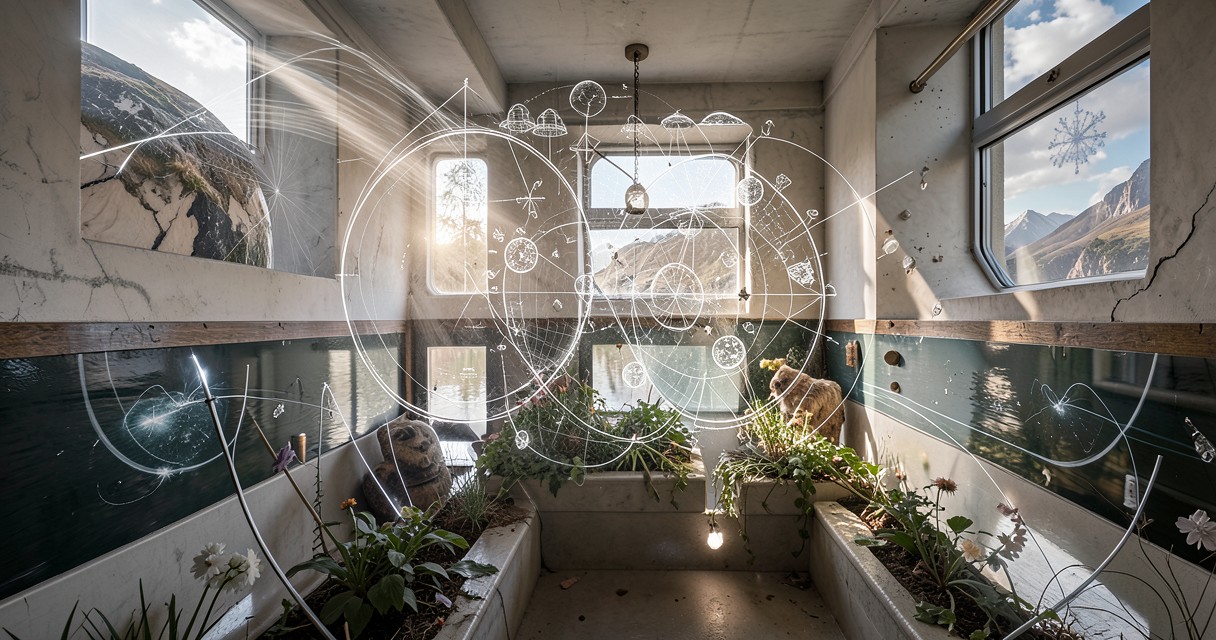
Moreover, the rise of digital technologies has enabled artists to explore symmetry in new ways, employing algorithms and computational tools to generate intricate patterns that reflect both artistic vision and mathematical precision. These works often challenge traditional notions of authorship and creativity, as the lines between artist and programmer blur. This evolution in artistic practice underscores the ongoing dialogue between art and science, revealing how each discipline can enrich the other.
Educational Initiatives: Promoting Symmetry in Art and Science
Educational programs that emphasize the relationship between symmetry in art and science have emerged as valuable resources for fostering interdisciplinary learning. Institutions like universities and art galleries are increasingly collaborating to create exhibitions and workshops that highlight this connection. Such initiatives not only enhance students’ understanding of symmetry but also encourage creative thinking and problem-solving skills.
For example, programs that integrate mathematical concepts into art education allow students to explore geometric patterns through hands-on activities, bridging the gap between theoretical knowledge and practical application. Similarly, science-focused art projects can inspire students to engage with complex scientific ideas through creative expression. By cultivating an appreciation for symmetry across disciplines, these educational initiatives prepare learners to navigate an increasingly interconnected world.

I have spent the past decade exploring the intersections of Freemasonry, art, and science, researching historic manuscripts and architectural symbolism. My work as a freelance writer and independent researcher allows me to share the rich history of knowledge that these traditions embody.