

The preservation techniques for ancient pigments in prehistoric cave paintings reveal a hidden chemistry that scientists are only beginning to unravel. These masterpieces, created by early humans tens of thousands of years ago, have endured for millennia thanks to a combination of natural materials and ingenious application methods. The vibrant colors, ranging from deep reds to earthy ochres, were not just accidents of chance but the result of deliberate choices in mineral selection and preparation. Understanding these processes isn’t just academic; it offers practical insights into how modern conservators can replicate and protect ancient artworks, bridging the gap between archaeology and contemporary science.
The Role of Charcoal in Dating and Preserving Cave Art
Charcoal, often overlooked in discussions of cave art, plays a critical role in both the dating and preservation of these ancient masterpieces. In many European cave paintings, charcoal was used not just as a drawing medium but as a binding agent mixed with other pigments. Recent studies have shown that charcoal’s porous structure absorbs and retains organic compounds, which can be analyzed to determine the exact age of the artwork through radiocarbon dating. This technique has revealed that some cave paintings were created in layers, with later additions made centuries after the initial artwork. For conservators, this means that charcoal’s presence can indicate where pigments might be more fragile and require special handling. The key is to avoid over-handling these areas, as even gentle touch can introduce modern contaminants that accelerate degradation. Instead, non-invasive imaging techniques like Raman spectroscopy should be prioritized to study the composition without physical contact.
One of the most striking examples of charcoal’s role comes from the Lascaux caves in France, where charcoal-based drawings were found to be interlayered with manganese oxides. The manganese acted as a natural preservative, creating a chemical barrier that slowed oxidation. This discovery suggests that ancient artists weren’t just creating art, they were applying rudimentary preservation techniques. Modern conservators can learn from this by replicating these natural stabilization methods in their own restoration work. For instance, using manganese dioxide in controlled amounts can help stabilize charcoal-based pigments without altering their original appearance. The challenge lies in balancing preservation with authenticity; any modern intervention must be reversible and minimally invasive to avoid altering the artwork’s integrity.
The use of charcoal also highlights a common mistake in preservation: assuming all pigments behave the same way. Charcoal, for example, is highly susceptible to moisture, which can cause it to crumble or darken over time. In contrast, iron oxide pigments like ochre are more stable but can react with acidic materials in the cave environment. This variability means that each pigment must be treated as an individual case. A one-size-fits-all approach to preservation is a recipe for disaster. Instead, conservators should conduct small-scale experiments to test the stability of pigments under controlled conditions before applying treatments to entire artworks. This methodical approach ensures that interventions are both effective and safe.
Blood and Lime: The Unexpected Preservatives in Chinese Rock Art
While European cave paintings often rely on mineral-based pigments, some of the most enduring ancient artworks come from China, where blood and lime were used to preserve vibrant reds that have survived for over two millennia. Recent analyses of rock art from the Yunnan region reveal that artists mixed hematite (a form of iron oxide) with animal blood and calcium carbonate, a key component of lime. The blood acted as a natural binder, while the lime created an alkaline environment that prevented the pigment from fading. This combination is particularly fascinating because it demonstrates how ancient cultures adapted their materials to the local environment. In regions where hematite was abundant, artists could create deep, lasting reds without relying on exotic imports.
The science behind this preservation technique is straightforward but highly effective. When lime is added to a pigment, it forms a stable compound that resists weathering. This is why many of these Chinese rock paintings retain their vividness even after thousands of years, unlike many European cave paintings, which often fade to dull browns due to oxidation. For modern conservators, this means that alkaline treatments could be a valuable tool in stabilizing red pigments, especially in humid climates where acidity accelerates decay. However, there’s a catch: lime can also react with other pigments, leading to color shifts if not used carefully. The solution is to test small samples first, ensuring that the treatment doesn’t alter the artwork’s appearance. This trial-and-error approach is essential when dealing with ancient materials, where unpredictability is the norm.
A common misconception about these preservation techniques is that they were purely accidental. In reality, the use of blood and lime suggests a deep understanding of chemistry on the part of ancient artists. Blood contains proteins that act as natural adhesives, while lime’s alkaline properties neutralize acids that would otherwise break down the pigment. This knowledge wasn’t lost over time, instead, it was passed down through generations, ensuring that the artworks remained vibrant for centuries. Modern conservators can draw inspiration from this tradition by exploring natural binders and stabilizers that mimic the effects of blood and lime. For example, gelatin (derived from animal collagen) has been used successfully to stabilize fragile pigments in modern restorations, offering a biodegradable alternative to synthetic resins.
How Manganese Oxides Extended the Lifespan of Cave Pigments
Manganese oxides, often found in cave paintings alongside charcoal and ochre, are one of the most durable natural pigments known to science. These compounds, which range from pale pink to deep black, were used by prehistoric artists to create contrast and depth in their work. What makes manganese oxides particularly interesting is their ability to resist fading even in harsh environmental conditions. Studies of cave paintings in Spain and France have shown that manganese-based pigments remain vibrant long after other materials have degraded. This longevity is due to manganese’s chemical stability, it doesn’t react easily with oxygen or moisture, which means it doesn’t oxidize or leach over time. For conservators, this makes manganese oxides an ideal candidate for long-term preservation, especially in caves where humidity and temperature fluctuations are common.
On the Ancient Humans channel, they explain how ancient humans made paint from earth and bone, and you can watch it right here.
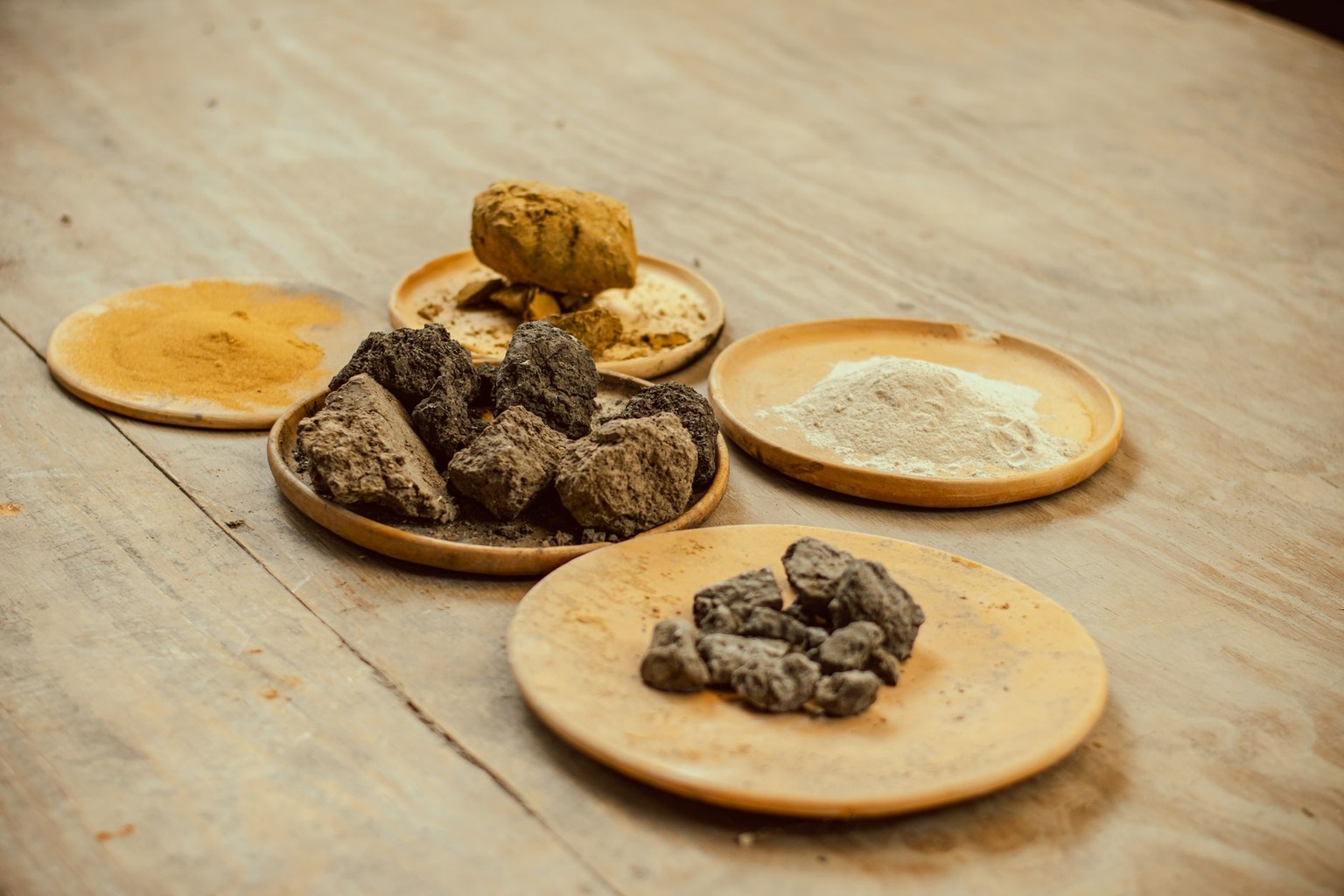
The key to manganese’s durability lies in its crystal structure, which forms a protective layer that shields the pigment from external factors. This is why some cave paintings feature manganese in their ground layers, acting as a barrier between the artwork and the cave wall. Modern conservators can replicate this effect by using manganese dioxide in protective coatings, though they must be cautious, excessive application can lead to discoloration. The best approach is to apply manganese in thin, even layers, ensuring that it doesn’t alter the artwork’s appearance. Another benefit of manganese is its resistance to UV light, which is a major cause of pigment degradation in outdoor artworks. By incorporating manganese into restoration materials, conservators can create a protective shield that preserves the original colors while allowing the artwork to remain visible.
One of the most significant challenges in working with manganese oxides is their reactivity with other pigments. When manganese comes into contact with iron oxides, for example, it can cause color shifts or even chemical reactions that weaken the artwork. This is why conservators must carefully document the composition of each pigment before applying treatments. A simple test, such as placing a small sample of the pigment in a controlled environment, can reveal how it will interact with other materials. This step is crucial, skipping it could lead to irreversible damage. For instance, in the Altamira caves in Spain, conservators initially struggled with manganese-based pigments until they realized that their original application had been too thick, leading to cracking. By adjusting their technique, they were able to stabilize the pigments without compromising the artwork’s integrity.
Why Some Cave Paintings Retain Their Color While Others Fade
The difference between cave paintings that remain vibrant and those that fade often comes down to the presence of organic binders, which were used to hold pigments together in a stable matrix. In many cases, artists mixed clay, animal fat, or even plant resins with their pigments to create a durable layer. Without these binders, pigments are more likely to flake off or dissolve when exposed to moisture. The famous paintings in the Chauvet Cave, for example, retain their color because they were applied with a combination of clay and organic binders that created a protective seal. This seal prevented water from penetrating the artwork, which is why these paintings have survived for over 30,000 years. For modern conservators, the lesson is clear: organic binders are essential for long-term preservation, and their absence is often the reason why some cave art has faded.
The choice of binder can make or break an artwork’s longevity. For instance, animal fat binds pigments well but can become rancid over time, attracting pests that further damage the artwork. Clay, on the other hand, is more stable but can crack if the environment is too dry. This is why some cave paintings show signs of cracking, it’s not just age that’s at fault, but also the binder’s inability to adapt to changing conditions. The solution is to use binders that are both durable and flexible, such as synthetic polymers that mimic the properties of natural materials. However, these should be used sparingly, as they can introduce new risks, such as yellowing or brittleness. The best approach is to conduct extensive testing before applying any treatment, ensuring that the binder will not harm the artwork in the long run.
A common mistake in preservation is assuming that all organic binders behave the same way. In reality, each one has its own strengths and weaknesses. For example, plant resins like pine pitch can create a glossy finish that protects pigments from moisture, but they can also yellow over time. Animal glue, derived from collagen, is more stable but can become brittle when exposed to extreme temperatures. The key is to match the binder to the environment in which the artwork will be displayed. In a dry cave, a flexible binder like gelatin might be ideal, while in a humid climate, a more rigid binder like casein could be better. This tailored approach ensures that the artwork remains stable regardless of external conditions.
The Science of Pigment Layering in Cave Art
One of the most advanced techniques used by prehistoric artists was layering pigments to create depth and durability. By applying multiple thin layers instead of one thick coat, artists could achieve a richer color while also protecting the underlying artwork from environmental damage. This method is evident in many of the paintings from the Niaux Cave in France, where layers of red ochre and black manganese were carefully applied to create a sense of three-dimensionality. The science behind this technique is simple: each layer acts as a barrier, preventing moisture and oxygen from reaching the pigments below. This is why some cave paintings show no signs of fading even after thousands of years, their layered structure has shielded them from decay.
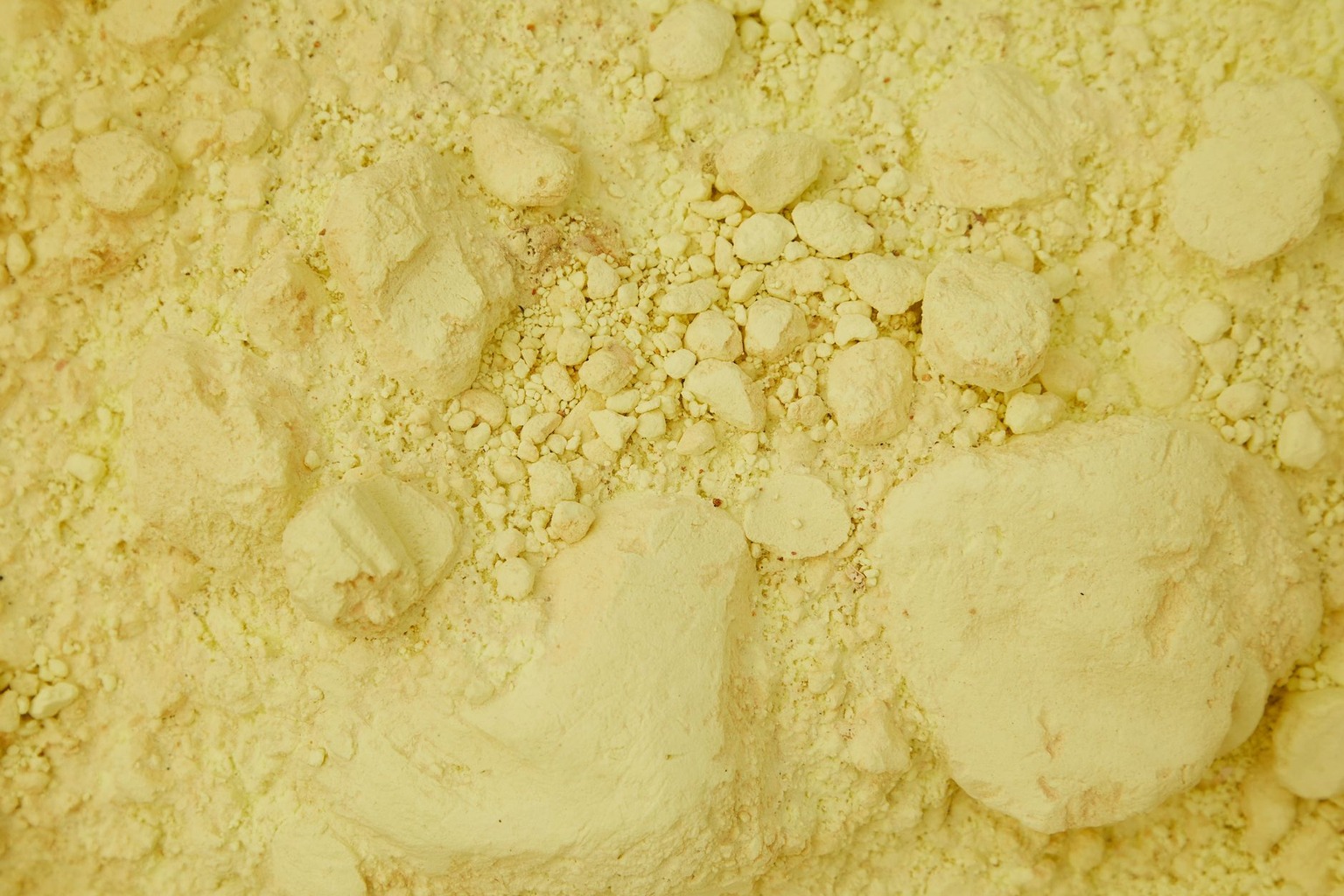
The process of layering also allowed artists to experiment with color mixing, creating new hues that weren’t found in nature. For example, by combining red ochre with charcoal, they could produce a deep brown that was more stable than either pigment alone. This technique is still used today in modern art restoration, where conservators apply thin layers of pigment to repair damaged areas without altering the original appearance. The challenge is to match the original pigments as closely as possible, which requires a deep understanding of their chemical properties. For instance, some pigments react when mixed, leading to unexpected color shifts. Conservators must account for this by testing combinations before applying them to the artwork. This careful approach ensures that the restoration is both accurate and durable.
Another advantage of layering is that it allows conservators to identify and repair specific areas of damage without affecting the rest of the artwork. For example, if a section of a painting has flaked off, a conservator can carefully apply a new layer of pigment to match the original. This is particularly useful in caves where the environment is constantly changing, as it allows for targeted interventions rather than broad-scale treatments. The key is to use pigments that are as close as possible to the original, which often means recreating the exact mixture used by the artist. This can be a time-consuming process, but it’s essential for preserving the artwork’s authenticity. In some cases, conservators have even been able to recreate the original pigments by analyzing the cave’s mineral content and matching it to the artwork’s composition.
Modern Techniques for Studying and Preserving Ancient Pigments
Today’s conservators have a powerful arsenal of tools at their disposal for studying and preserving ancient pigments, many of which rely on advances in chemistry and materials science. Techniques like X-ray fluorescence (XRF) and Raman spectroscopy allow researchers to identify the exact composition of pigments without damaging the artwork. For example, XRF can detect trace elements in a pigment, revealing whether it was made from hematite or another iron oxide. This level of detail is crucial for understanding how ancient artists created their colors and how they can be preserved. In the case of the Altamira Cave paintings, XRF analysis revealed that the artists used a combination of manganese and iron oxides, which helped explain why some areas had faded while others remained vibrant. This knowledge has guided modern conservation efforts, ensuring that treatments are tailored to the specific needs of each pigment.
Another valuable tool is scanning electron microscopy (SEM), which provides high-resolution images of pigment particles and their interactions with other materials. SEM has been used to study the microstructures of cave pigments, revealing how they were applied and why some have lasted longer than others. For instance, SEM images of the Chauvet Cave paintings showed that the artists used a fine powder mixed with an organic binder, which created a smooth, durable surface. This discovery has informed modern restoration techniques, where conservators now use similar fine powders to repair damaged areas. The goal is to replicate the original texture and appearance as closely as possible, ensuring that the restoration blends seamlessly with the artwork. This level of precision is only possible with advanced scientific tools, which have revolutionized the field of art conservation.
The most important lesson from modern techniques is that preservation must be based on scientific evidence rather than guesswork. In the past, conservators often relied on traditional methods that could do more harm than good, such as using harsh solvents to clean pigments. Today, we know that many of these methods can accelerate decay by stripping away protective layers. Instead, the focus is on minimally invasive techniques that stabilize pigments without altering their appearance. For example, researchers have developed gel-based treatments that can absorb excess moisture from cave walls without damaging the pigments. These gels are applied in thin layers and can be easily removed if needed, making them ideal for long-term preservation. The key is to treat each artwork as a unique case, using the latest scientific methods to guide every decision.

I have spent the past decade exploring the intersections of Freemasonry, art, and science, researching historic manuscripts and architectural symbolism. My work as a freelance writer and independent researcher allows me to share the rich history of knowledge that these traditions embody.