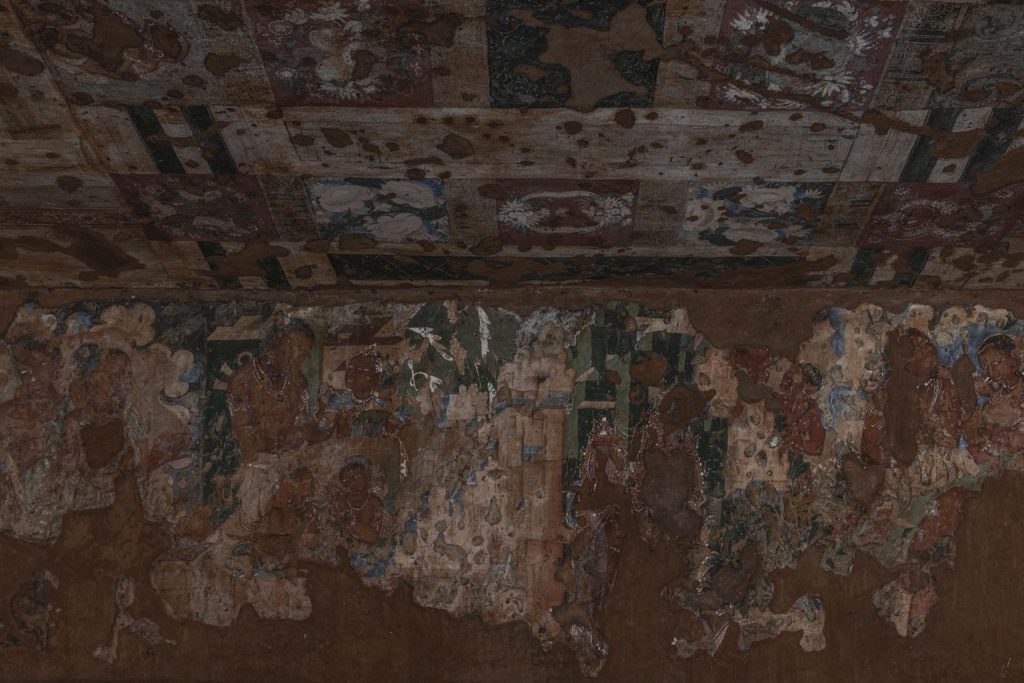
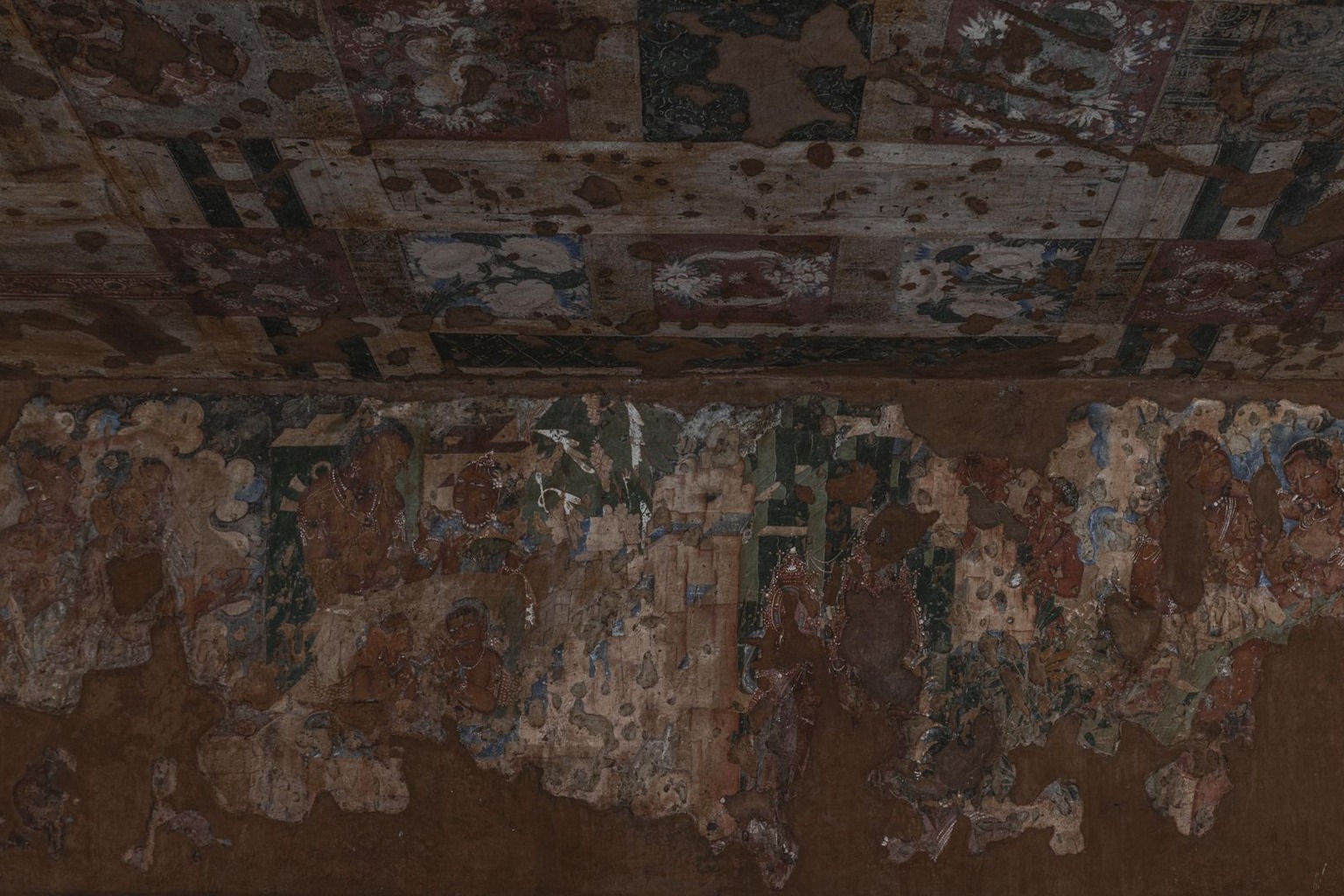
From the earliest charcoal sketches on limestone walls to the luminous mosaics that crown medieval cathedrals, humans have consistently turned to visual expression as a conduit for the sacred. Modern research in evolutionary psychology, often referred to as sacred art psychology, suggests that this attraction is not merely cultural but rooted in deep‑seated adaptive mechanisms. By tracing how the brain processes symbols that invoke transcendence, scholars reveal a pattern that links aesthetic preference with survival strategies. This perspective bridges the gap between the neuroscientific study of perception and the anthropological record of ritual art, offering a unified framework for why certain images continue to move us across millennia.
Evolutionary Roots of Visual Symbolism
Anthropologists note that early hominins relied on visual cues to navigate complex social environments, and the emergence of symbolic representation marks a pivotal cognitive shift. The ability to abstract natural forms into stylized icons likely conferred advantages in communication, allowing groups to transmit knowledge about resources, dangers, and social norms without spoken language. Experimental work with contemporary hunter‑gatherer societies shows that participants can recall symbolic depictions of food sources more accurately than literal descriptions, indicating that visual symbolism taps into an ancient memory system. These findings align with the view that the brain evolved to prioritize pictorial information that could be shared quickly and retained over generations.
Neuroarchaeological studies of Paleolithic cave art reveal recurring motifs such as bison, handprints, and abstract signs, suggesting a shared cognitive template across distant populations. Researchers argue that these motifs served as “cognitive anchors,” enabling individuals to align their internal models of the world with communal narratives. By embedding crucial survival information within aesthetically compelling forms, early artists may have increased the likelihood that their messages would be internalized and acted upon. This synergy between artistic flair and practical function illustrates how the roots of sacred art are intertwined with evolutionary pressures.
The Brain’s Reward System and Sacred Imagery
Neuroscientists have identified a network of regions, including the ventral striatum, orbitofrontal cortex, and amygdala, that light up when people view images deemed sacred or awe‑inspiring. Functional MRI experiments demonstrate that these areas overlap with circuits activated by primary rewards such as food and social approval, suggesting that sacred art taps into the same dopamine‑driven pathways that motivate essential behaviors. The pleasurable sensation experienced during contemplation of a fresco or an illuminated manuscript is therefore not merely a cultural artifact but a biologically grounded response.
Evolutionary theorists propose that this reward response reinforced the creation and preservation of religious imagery, because individuals who experienced pleasure from such stimuli were more likely to invest time and resources in their production. Over successive generations, this reinforcement loop could have shaped preferences for particular visual elements, symmetry, bright colors, and repetitive patterns, that reliably trigger the reward system. Contemporary studies confirm that participants report higher aesthetic satisfaction when viewing artworks that incorporate these evolutionary‑favored features, underscoring the lasting influence of ancient neural wiring on modern taste.
Group Cohesion, Ritual, and Shared Aesthetic Experience
Ritual scholars emphasize that collective participation in art‑based ceremonies strengthens social bonds, a function that evolutionary psychologists link to increased group fitness. When a community gathers around a sacred mural or a processional banner, the shared emotional experience synchronizes physiological states, such as heart rate and hormone release, fostering a sense of unity. This synchrony reduces intra‑group competition and enhances cooperation, which historically improved resource sharing and collective defense.
On the Story Sage channel they explain this topic—you can watch it right here.
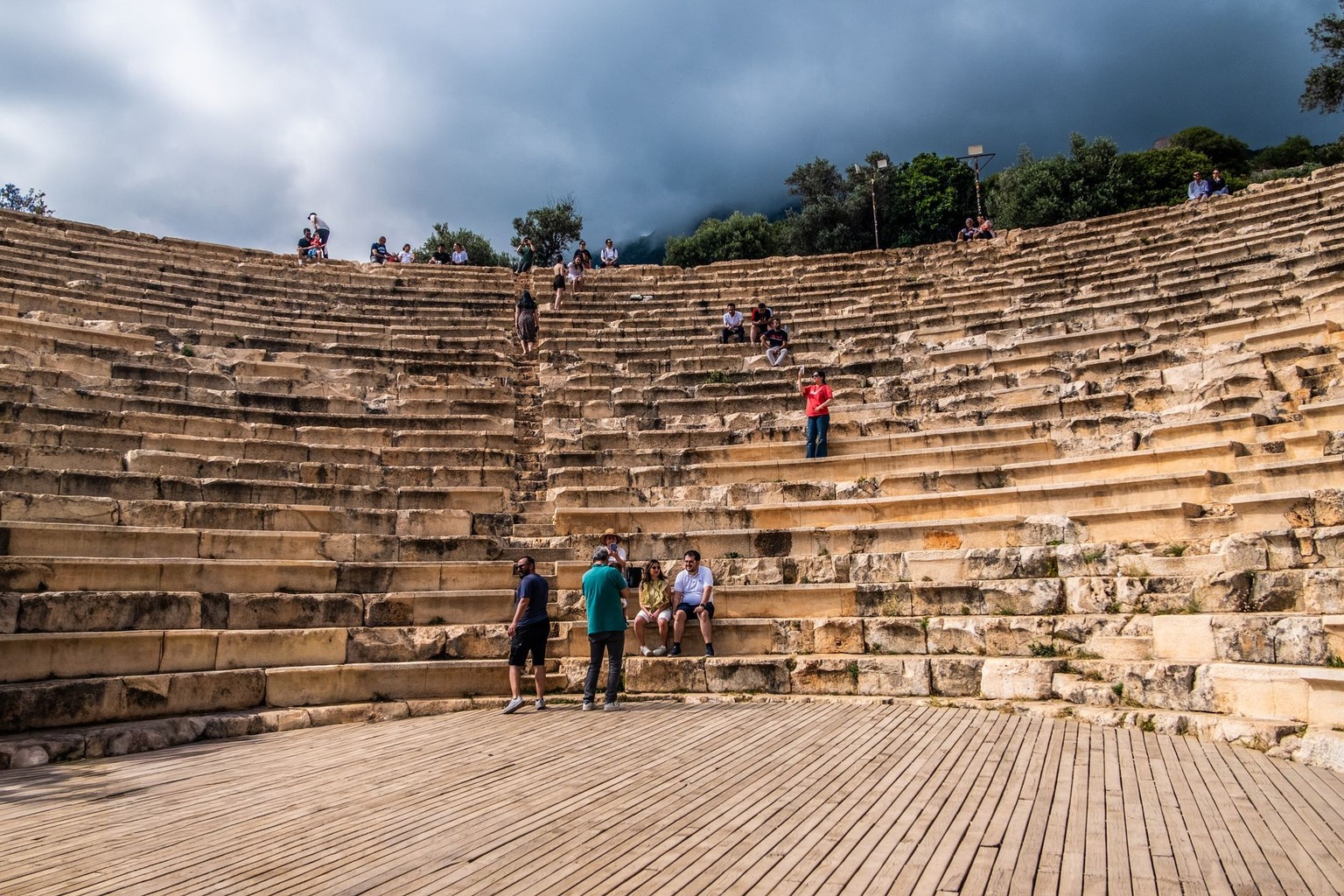
Experimental evidence from social psychology shows that participants who view religious paintings together report higher levels of trust toward each other compared with those who view the same images alone. The mechanism appears to involve mirror‑neuron activity that mirrors the emotional reactions of peers, creating an implicit feedback loop of empathy. By embedding communal values within visual narratives, sacred art thus functions as a catalyst for coordinated action, reinforcing the evolutionary advantage of cohesive groups.
Memory, Narrative, and the Persistence of Sacred Art
Memory researchers have long observed that stories accompanied by vivid imagery are recalled more accurately than abstract narratives. Sacred art capitalizes on this principle by embedding doctrinal teachings within striking visual scenes, ensuring that core concepts survive cultural transmission. The dual coding theory, which posits that information stored both verbally and visually is more resilient, provides a scientific basis for why iconography remains a cornerstone of religious education across societies.
Field studies among monastic communities reveal that novices who engage with illuminated manuscripts retain theological principles longer than those who rely solely on oral instruction. This advantage is attributed to the intricate interplay of color, line, and symbolic motifs that create mnemonic anchors in the brain’s hippocampal circuits. Consequently, the persistence of sacred art over centuries can be understood as an adaptive strategy for safeguarding culturally vital knowledge.
The Role of Sacred Art Psychology in Human Evolution
Integrating findings from anthropology, neuroscience, and social science, scholars argue that the attraction to sacred imagery represents a co‑evolutionary process where artistic expression and cognitive architecture shaped each other. As early humans faced environmental uncertainties, the development of symbolic art provided a means to externalize internal states, thereby reducing anxiety and fostering a shared worldview. This externalization, in turn, reinforced neural pathways that prized symbolic meaning, creating a feedback loop that accelerated the sophistication of both brain and culture.
Comparative analyses of primate behavior show that even non‑human apes respond positively to patterned visual stimuli, hinting at a deep evolutionary root for aesthetic preference. However, the uniquely human capacity to infuse these patterns with transcendent significance marks a pivotal divergence. By situating sacred art within the broader narrative of human evolution, researchers highlight how our species’ drive to create and revere the holy is inseparable from the very mechanisms that made us capable of abstract thought.
Cultural Variation and Adaptive Flexibility
While the underlying neural mechanisms are broadly shared, the specific forms that sacred art takes vary dramatically across cultures, reflecting adaptive flexibility. In East Asian traditions, subtle brushwork and calligraphic strokes dominate, whereas in West African societies, vibrant textiles and masks serve similar ritual functions. This diversity illustrates how evolutionary pressures interact with local ecological and social contexts to produce distinct artistic solutions.

Cross‑cultural experiments reveal that participants unfamiliar with a particular religious style still experience a sense of awe when presented with the art’s formal qualities, such as symmetry or contrast, suggesting a universal substrate. At the same time, cultural learning fine‑tunes individual preferences, explaining why a Byzantine icon may evoke profound reverence in one community but appear merely decorative to another. This interplay of innate predispositions and cultural shaping underscores the dynamic nature of sacred art psychology.
Practical Implications for Contemporary Artists and Researchers
Understanding the evolutionary basis of our fascination with sacred art offers valuable guidance for creators who wish to evoke depth and resonance in their work. By incorporating elements that align with the brain’s reward circuitry, balanced composition, vivid coloration, and symbolic motifs, artists can craft pieces that tap into timeless psychological triggers. Moreover, recognizing the social function of shared aesthetic experiences can inform the design of immersive installations that foster community engagement.
For scholars, the interdisciplinary framework encourages the use of neuroimaging, ethnographic fieldwork, and experimental psychology to explore how modern visual media continue to fulfill ancient adaptive roles. Collaborative projects that bridge art history with cognitive science are increasingly funded by institutions seeking to illuminate the connections between culture and mind. As research progresses, the insights gleaned from sacred art psychology may also inform therapeutic practices that employ visual symbolism to promote wellbeing and social cohesion.

I have spent the past decade exploring the intersections of Freemasonry, art, and science, researching historic manuscripts and architectural symbolism. My work as a freelance writer and independent researcher allows me to share the rich history of knowledge that these traditions embody.