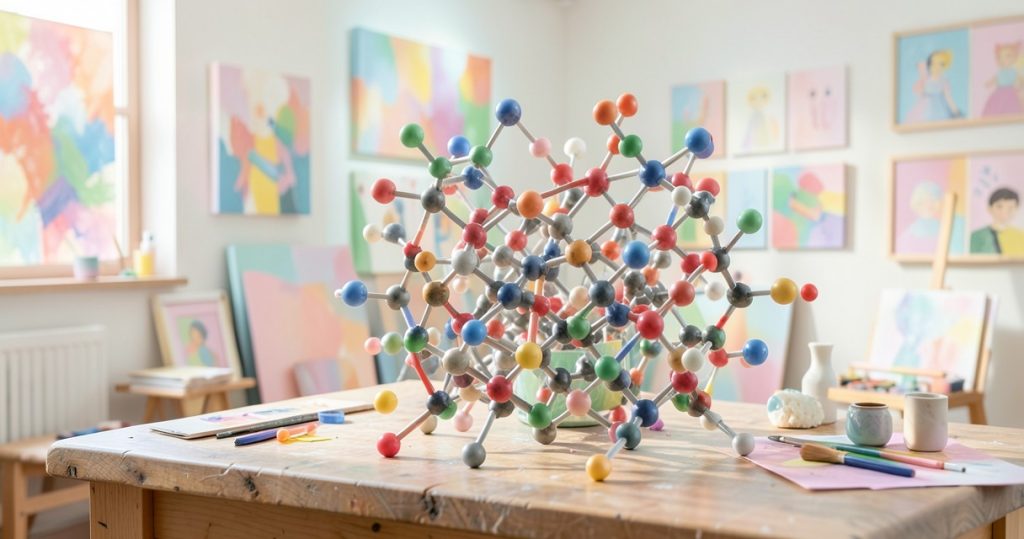
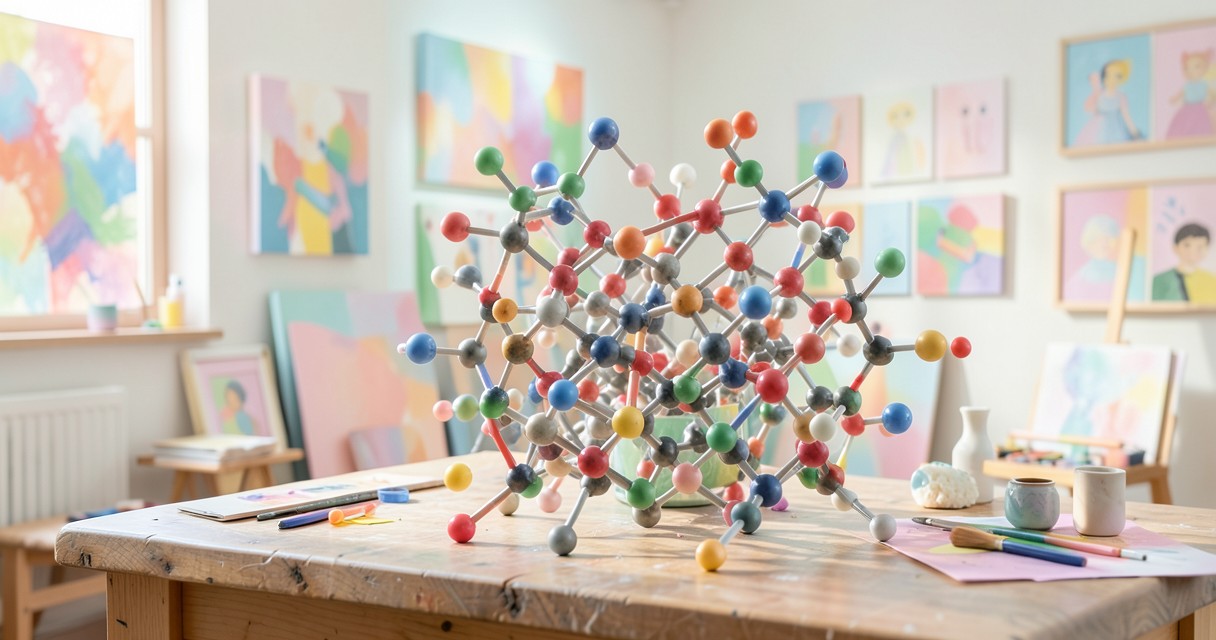
Integrating Artistic Expression with Scientific Inquiry
Artistic methods can be a powerful tool for teaching scientific principles, fostering a unique intersection where creativity and empirical inquiry meet. This approach encourages students to engage with scientific concepts not just through rote memorization but through personal interpretation and expression. For instance, using visual arts to illustrate the dynamics of ecosystems can help students visualize complex interactions in nature, making the learning process more accessible and memorable. Similarly, incorporating music or drama into science lessons can create an immersive experience that reinforces understanding through emotional and sensory engagement, highlighting the importance of context and narrative in scientific exploration.
We believe the magic of learning lies at the intersection of two areas. First is the art of teaching: the human connection, the inspiring guidance and the nurturing relationships that ignite curiosity. And second is the science of learning: the research-backed principles that inform effective pedagogy and maximize student growth.
Shantanu Sinha, Product Manager at Google — blog.google
Moreover, the integration of artistic methods can cater to diverse learning styles. Students who may struggle with traditional scientific pedagogy often find solace in creative expression, which can serve as a bridge to understanding complex theories. For example, students can create sculptures or models to represent molecular structures, allowing them to grasp abstract concepts in a tangible way. This dual approach not only enhances comprehension but also promotes a deeper appreciation for both art and science, illustrating how these fields can complement each other in educational settings.
Visual Arts vs. Performance Arts in Science Education
When comparing visual arts and performance arts as methods for teaching scientific principles, distinct advantages and challenges arise. Visual arts, such as painting, sculpture, or graphic design, allow students to create static representations of scientific concepts. For example, a student might paint a mural depicting the water cycle, visually breaking down the stages of evaporation, condensation, and precipitation. This method can be particularly effective in reinforcing visual learning and spatial understanding, making complex processes more digestible.
In contrast, performance arts, including theater and music, offer a dynamic way to explore scientific ideas. A classroom might engage in a role-playing exercise where students act out the life cycle of a butterfly, integrating movement and dialogue to embody scientific concepts. This method can stimulate kinesthetic learners and enhance retention through active participation. However, performance arts require more time and resources to organize, which can be a limiting factor in some educational environments. Ultimately, the choice between these two artistic approaches should be guided by the specific learning objectives and the needs of the students.
Hands-On Art Projects vs. Digital Art Tools
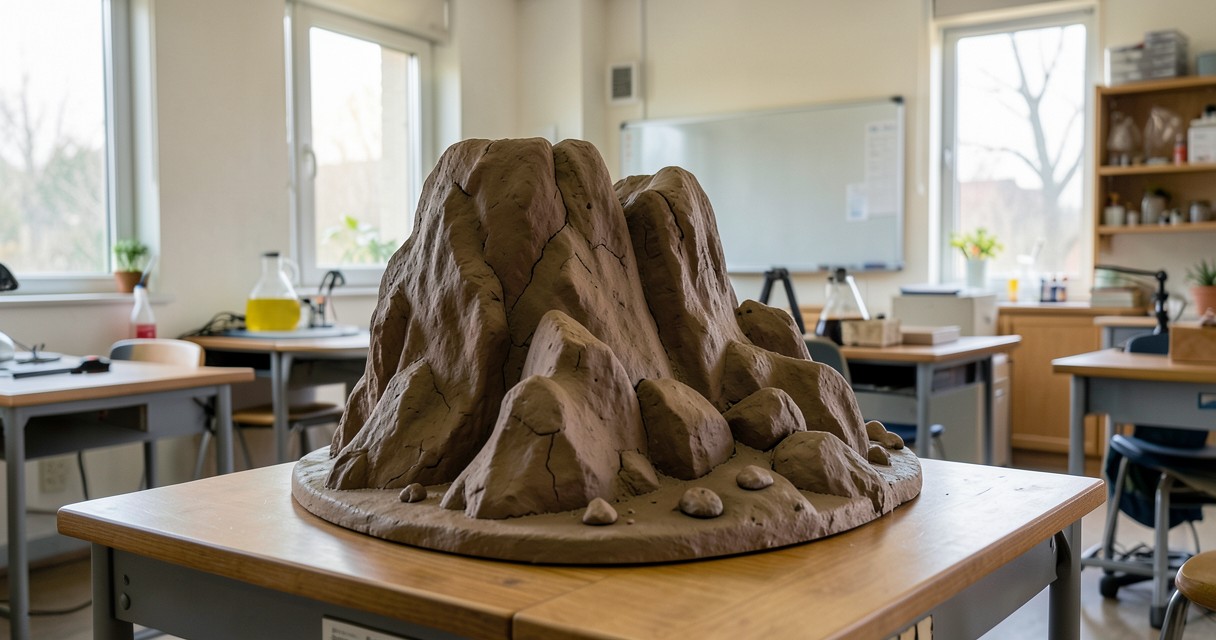
In the realm of teaching scientific principles, hands-on art projects and digital art tools each offer unique benefits. Hands-on projects, such as creating dioramas or conducting experiments that incorporate artistic elements, allow students to engage physically with materials, fostering a tactile understanding of scientific concepts. For instance, students might use clay to model geological formations, providing a three-dimensional perspective on processes like erosion and sedimentation. This tactile experience can enhance memory retention and stimulate curiosity.
On the other hand, digital art tools offer versatility and accessibility that traditional methods may lack. Software programs that allow for the creation of digital illustrations or animations can help students visualize complex scientific phenomena, such as molecular interactions or astronomical events. These tools often include features that enable easy manipulation of elements, allowing for experimentation and exploration in ways that are not feasible with physical materials. However, reliance on technology can create barriers for students who may not have equal access to digital resources. Balancing both methods can provide a comprehensive educational experience that caters to various learning preferences.
Collaborative Art Projects vs. Individual Assignments
Collaboration versus individual assignments presents another dimension to consider in employing artistic methods to teach science. Collaborative art projects allow students to work together, fostering teamwork and communication skills as they tackle scientific concepts. For example, a group might collaborate on a large mural that depicts the human body systems, with each student contributing a section. This collective effort not only reinforces individual understanding but also highlights the interconnectedness of scientific knowledge.
Conversely, individual assignments can provide opportunities for personal expression and deeper exploration of specific topics. A student may choose to create a detailed poster or a digital presentation on climate change impacts in their local area. This approach encourages ownership of learning and allows for a personalized exploration of scientific principles. However, it may lack the social learning aspect that collaborative projects promote. Educators must weigh the benefits of teamwork against the advantages of individual creativity to determine the most effective approach for their classroom dynamics.
Real-World Applications vs. Theoretical Exploration
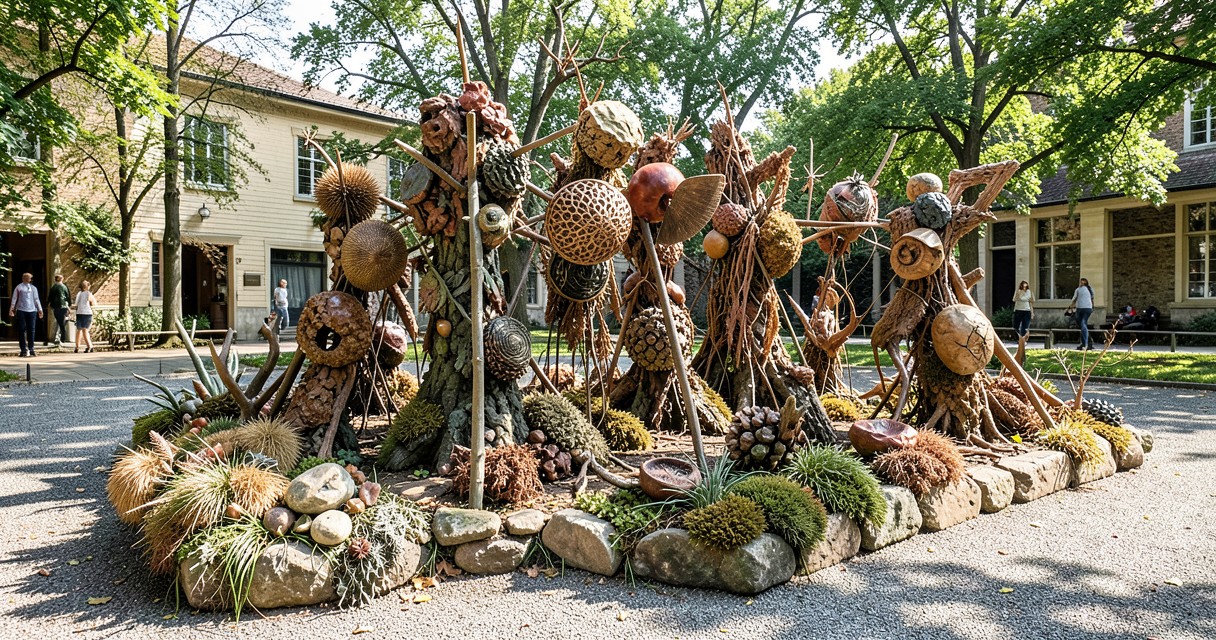
Artistic methods in science education can be framed through the lens of real-world applications versus theoretical exploration. Engaging students in real-world applications, such as creating public art installations that raise awareness about environmental issues, can connect scientific principles to societal challenges. This approach not only enhances learning but also empowers students to become advocates for change, demonstrating the relevance of science in everyday life.
Theoretical exploration, on the other hand, might involve students creating abstract representations of scientific theories, such as the laws of physics or the principles of evolution. This method encourages critical thinking and allows for imaginative interpretations of complex ideas. However, without a clear connection to real-world scenarios, students may struggle to see the applicability of their learning. A balanced curriculum that incorporates both real-world applications and theoretical exploration can enrich students’ understanding and inspire them to pursue further studies in science and art.
Assessment Techniques for Artistic Methods in Science
Assessing artistic methods in teaching scientific principles involves unique challenges and opportunities. Traditional assessments, such as tests and quizzes, may not adequately capture the depth of understanding that artistic projects can reveal. Instead, educators might consider alternative assessment techniques, such as portfolio evaluations, where students compile and reflect on their artistic work related to scientific concepts. This method allows for a holistic view of a student’s learning journey and encourages self-assessment and personal growth.
Peer assessments can also play a significant role, where students evaluate each other’s projects based on criteria such as creativity, scientific accuracy, and effort. This collaborative approach not only fosters a sense of community but also encourages critical thinking as students articulate their feedback. However, establishing clear rubrics is essential to ensure that assessments remain objective and constructive. By employing varied assessment techniques, educators can more effectively gauge student understanding and foster a deeper engagement with both art and science.

I have spent the past decade exploring the intersections of Freemasonry, art, and science, researching historic manuscripts and architectural symbolism. My work as a freelance writer and independent researcher allows me to share the rich history of knowledge that these traditions embody.