Twentieth century avant-garde creators frequently looked beyond traditional studio boundaries to find unexpected muses, turning their attention toward the microscopic wonders and ecological oddities documented by natural scientists. This cross-pollination generated a fascinating dialogue between empirical investigation and fantastic imagination, establishing biology and surrealism in art as a powerful engine for cultural innovation. Painters and sculptors found that laboratory specimens, botanical anomalies, and marine organisms offered radical visual vocabularies that challenged classical notions of beauty and proportion. Rather than merely illustrating scientific textbooks, these creators dismantled orthodox perceptions of living systems to construct alternative realities where anatomical rules ceased to function.
The Impact of Microscopic Photography on Aesthetic Vision
Pioneering scientific publications featuring microscopic imagery opened up entirely unseen dimensions of cellular structures, protozoa, and skeletal fragments to the creative community. Artists examined these magnified photographs with intense curiosity, realizing that nature possessed an innate abstraction far more radical than anything human imagination could invent unaided. A diatom shell or a radiolarian skeleton provided complex geometric frameworks that inspired painters to rethink surface textures and structural composition. This visual crossover meant that modern canvases began to pulse with biomorphic shapes, cellular clusters, and fluid membranes that blurred the boundary between botanical life and industrial machinery.
Examining these scientific plates allowed visionaries to bypass standard academic training and adopt a more decentralized, organic approach to form. Instead of sketching trees or human figures from direct observation, creators synthesized principles of cellular division and parasitic growth into their own mythical ecosystems. This conceptual shift altered how modern audiences interpreted the natural world, proving that beauty existed just as readily in invisible pathogens as it did in grand landscapes. The laboratory thus functioned as a parallel studio, supplying endless material for those willing to look past macroscopic appearances.
Taxidermy Cabinets and Ecological Curiosities
Natural history museums and private collections of anatomical oddities served as immersive research centers for painters who sought to unravel the mysteries of evolution and mutation. These institutional spaces housed preserved specimens, embryological anomalies, and hybrid taxidermy that actively subverted standard biological classification systems. Creators spent hours sketching anomalous specimens, absorbing the bizarre logic of congenital mutations and evolutionary dead ends. This exposure fostered a deep fascination with metamorphosis, driving painters to depict creatures mid-transformation, sprouting feathers, scales, and botanical tendrils simultaneously.
Studying rare specimens in crowded exhibition halls also taught avant-garde practitioners how context changes meaning within a visual frame. When a coral branch or a preserved crustacean was removed from its aquatic habitat and placed inside a sterile glass vitrine, it immediately acquired a strange, dreamlike aura. Creators replicated this displacement strategy on canvas, placing marine invertebrates in arid desert landscapes or suspending botanical roots in domestic interiors. Such juxtapositions forced viewers to question their assumptions regarding environmental boundaries and natural habitats.
Morphology and the Subversion of Classical Anatomy
Traditional academic art relied heavily on strict proportions, Renaissance perspective, and idealized human forms derived from Greco-Roman sculpture. Scientific treatises on comparative morphology shattered this orthodoxy by demonstrating that bodily structures are flexible adaptations shaped by environmental pressures rather than divine blueprints. Painters embraced this anatomical fluidity, bending human spines into crustacean segments and stretching limbs into plant tendrils. By treating the body as an open-ended biological system rather than a fixed architectural monument, these creators unlocked new emotional and psychological depths.
To see how biological studies inspire creative work, watch Boston University College of Fine Arts explain the process right here.
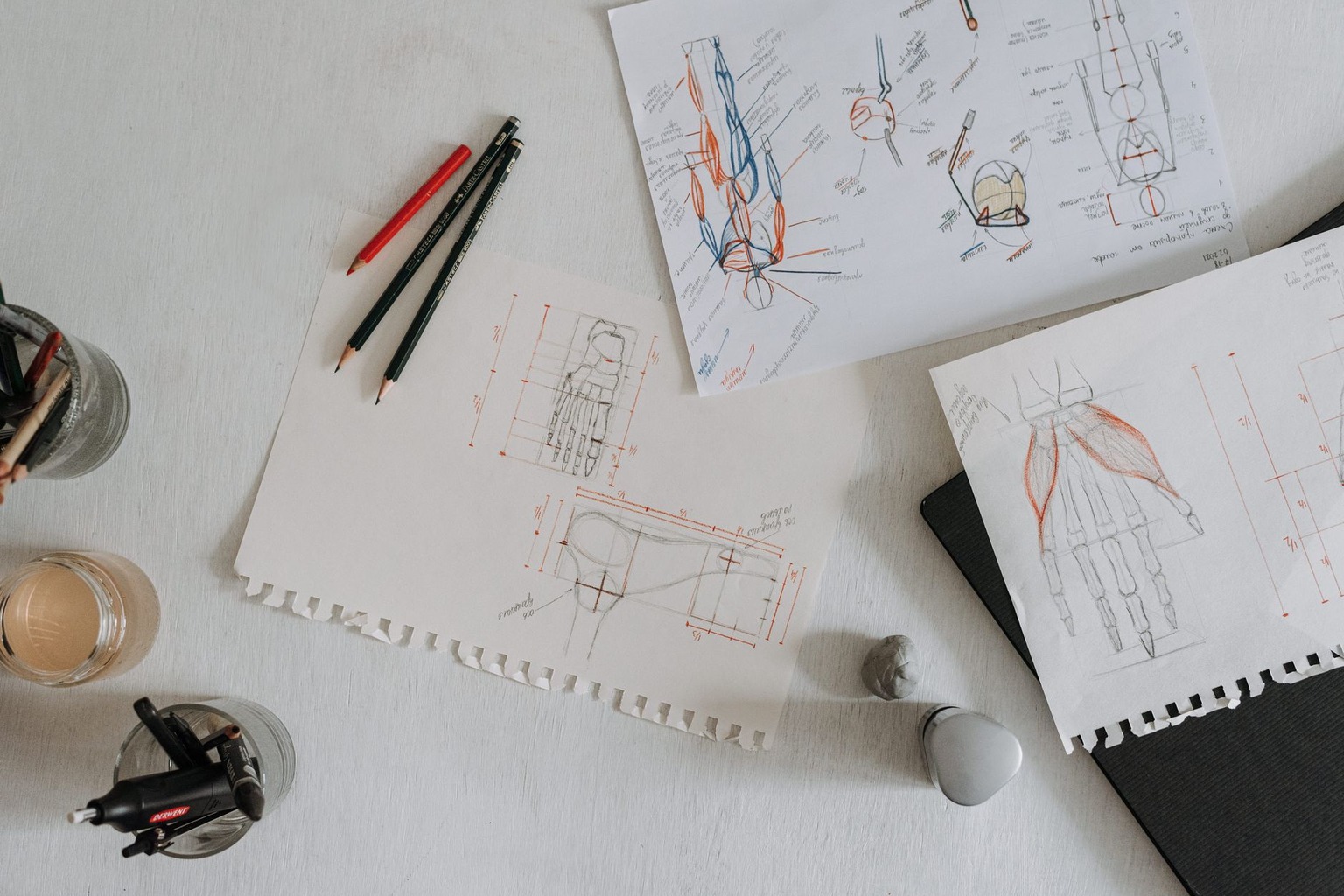
The study of comparative anatomy provided a rigorous justification for the most extreme distortions appearing in avant-garde painting. If nature itself produced parasitic wasps that consumed their hosts from within or deep-sea fish possessing biological illumination, then human artists had ample license to invent hybrid beasts and impossible organs. This approach elevated the exploration of the uncanny from mere trickery into a serious philosophical inquiry regarding existence. Creators used morphological principles to suggest that human identity is fragile, mutable, and inextricably linked to the wider animal kingdom.
Evolutionary Theory and the Visual Grammar of Metamorphosis
Charles Darwin and his successors popularized ideas of transmutation and natural selection that permanently altered how society perceived the stability of species. Avant-garde painters translated these evolutionary mechanics into visual narratives where progression moved backward, sideways, or into entirely impossible branches. A single figure might contain the evolutionary stages of fish, amphibian, and mammal, compressing millions of years of geological time into a solitary frame. This synthesis of biology and surrealism in art reflected a profound anxiety and excitement about humanity’s place in a shifting cosmos.
Natural selection also implied that survival often favored the bizarre, the camouflaged, and the monstrous over the conventionally beautiful. Creators seized upon this biological reality to validate their own fascination with grotesque imagery and nocturnal creatures. Moths with wing patterns mimicking human eyes, carnivorous pitcher plants, and deep-sea predators became recurring motifs representing the hidden traps of desire. By adopting the adaptive strategies of flora and fauna, artists constructed an aesthetic survival kit for navigating the psychological traumas of the twentieth century.
Botanical Illustration as a Catalyst for Fantastic Landscapes
Historical botanical manuals, with their meticulous cross-sections of roots, stems, and reproductive organs, offered painters a lexicon of strange and hypnotic forms. Rather than depicting tranquil meadows, practitioners drew inspiration from subterranean root networks, fungal spores, and parasitic vines to construct alien terrain. These painted environments often functioned as psychological projections where the internal mind was mapped onto a dense, overgrown ecosystem. The rigorous observation required by botany was thus subverted to serve the impulses of the unconscious mind.
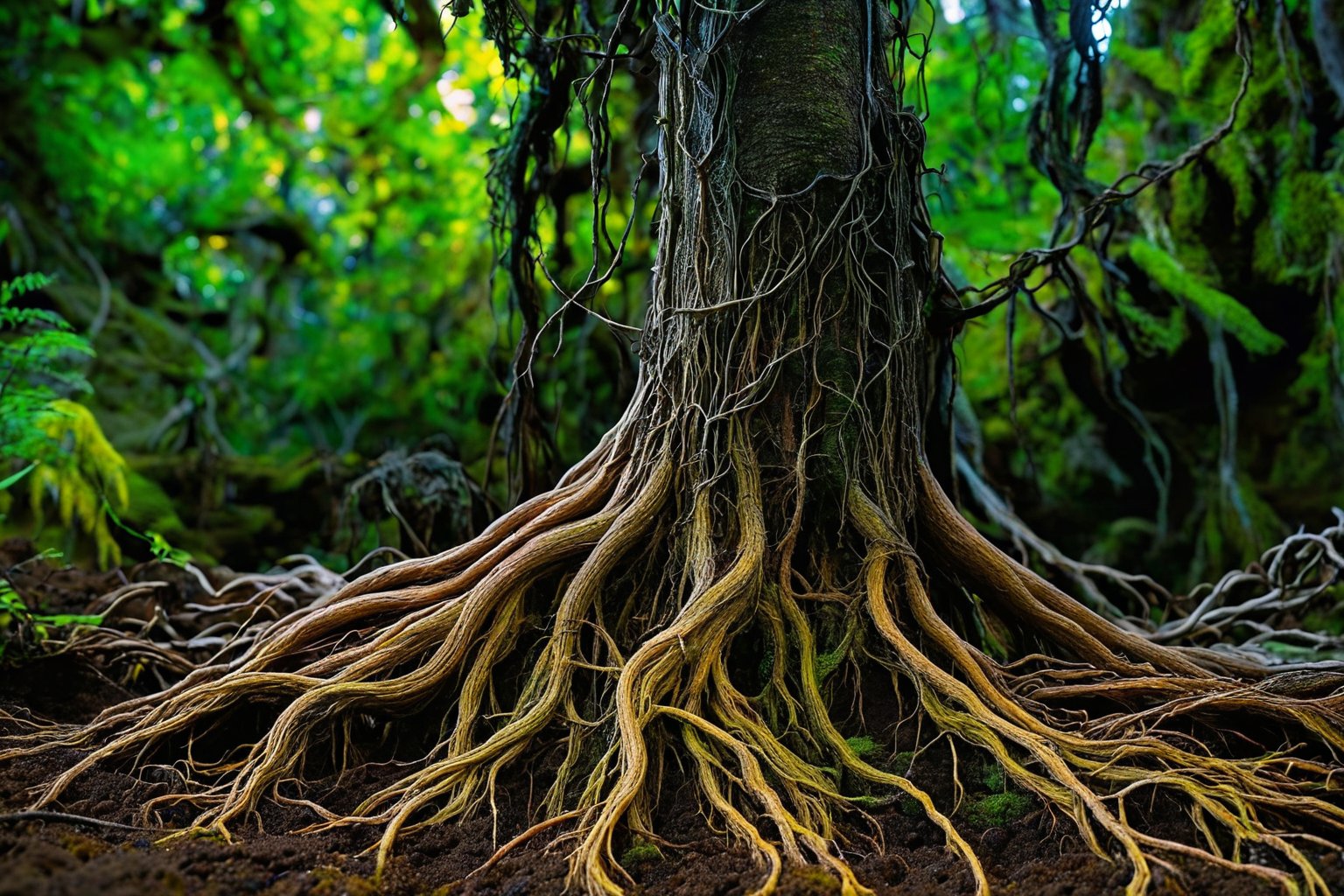
The study of plant tropisms, such as heliotropism and insectivorous predation, gave creators a way to animate inanimate objects with predatory intent. Flowers in these compositions frequently acquired teeth, eyes, or unsettling human characteristics, turning peaceful gardens into arenas of silent psychological tension. This botanical obsession proved that nature was not a passive backdrop for human leisure, but an active, alien force operating according to indifferent laws. Artists harnessed these scientific observations to destabilize viewer comfort, turning familiar flora into agents of psychological disruption.
Marine Biology and the Invention of Abyssal Aesthetics
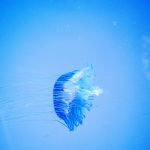
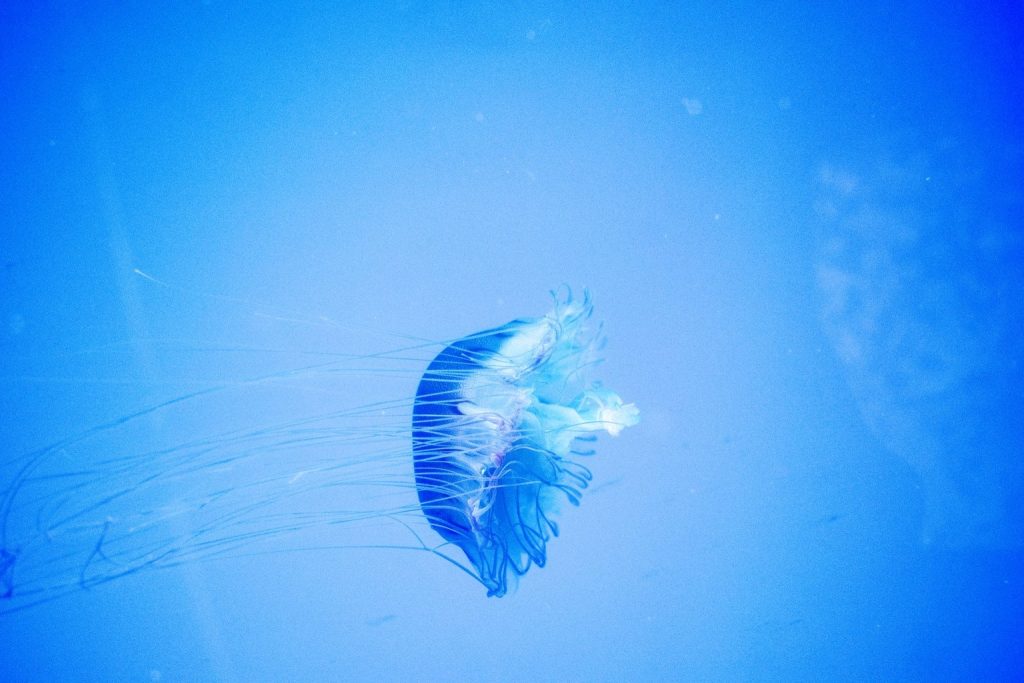
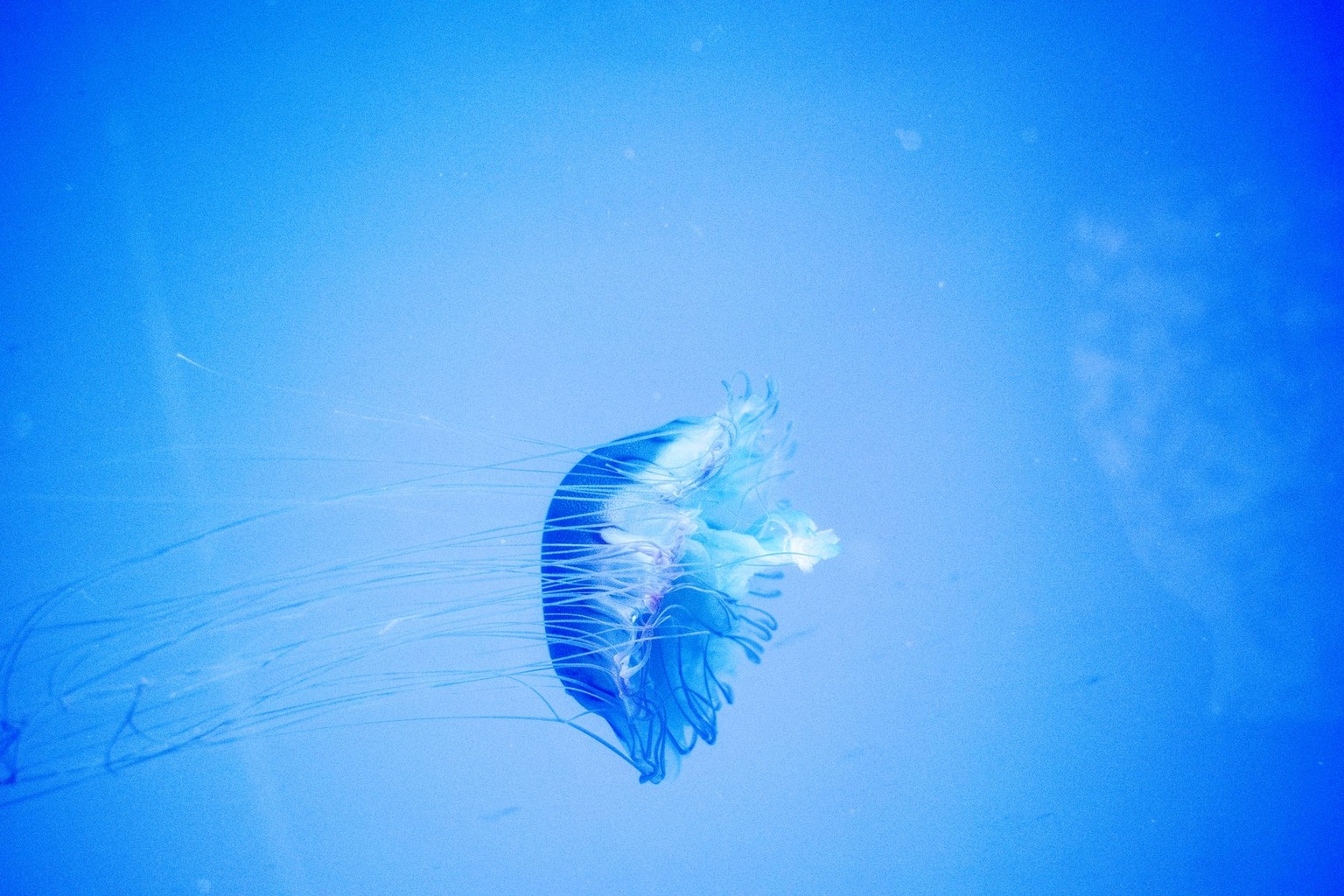
The expansion of deep-sea oceanography and the development of specialized diving equipment in the mid-twentieth century revealed an entirely alien realm populated by bioluminescent jellyfish, siphonophores, and cephalopods. These abyssal creatures possessed translucent bodies, floating appendages, and survival mechanisms that defied terrestrial logic. Painters immersed themselves in oceanographic reports, translating the watery depths into atmospheric backgrounds filled with floating tendrils and glowing orbs. The ocean became a metaphor for the human subconscious, a dark interior space harbouring bizarre entities.
Marine invertebrates particularly appealed to avant-garde sculptors and painters due to their lack of rigid internal skeletons and their capacity for radical shape-shifting. Jellyfish and anemones demonstrated that physical form could be fluid and decentralized, inspiring works that seemed to drift and pulsate rather than stand still. This aquatic influence helped dismantle traditional notions of sculptural mass, encouraging the creation of porous, skeletal, and floating installations. Through these biological translations, the deep sea permanently expanded the expressive range of modern visual culture.

I have spent the past decade exploring the intersections of Freemasonry, art, and science, researching historic manuscripts and architectural symbolism. My work as a freelance writer and independent researcher allows me to share the rich history of knowledge that these traditions embody.