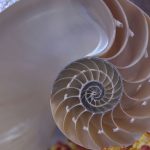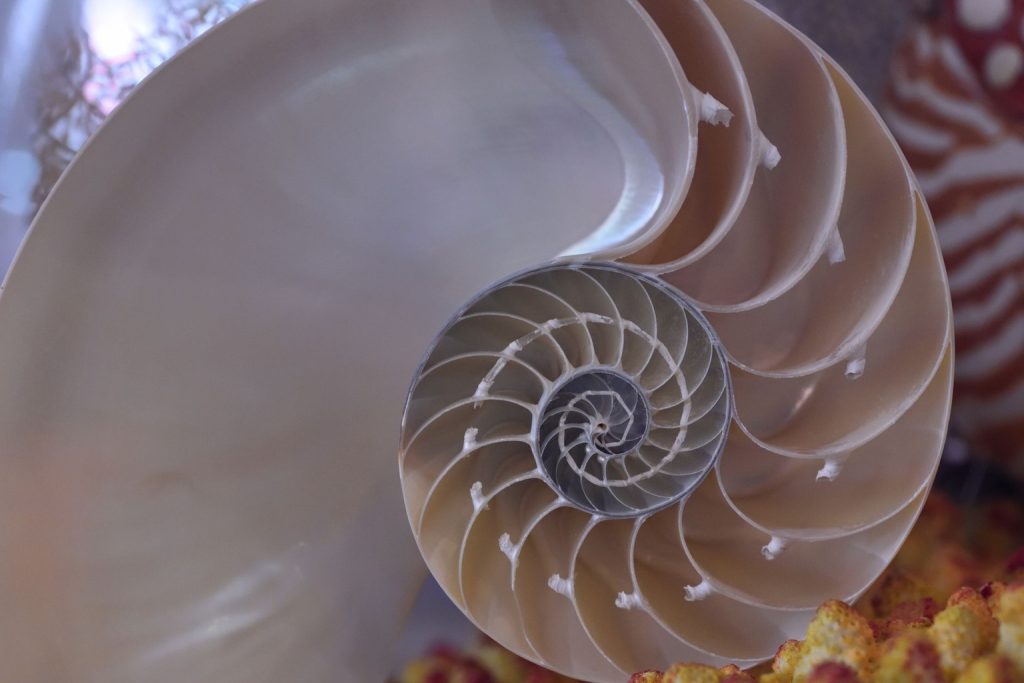
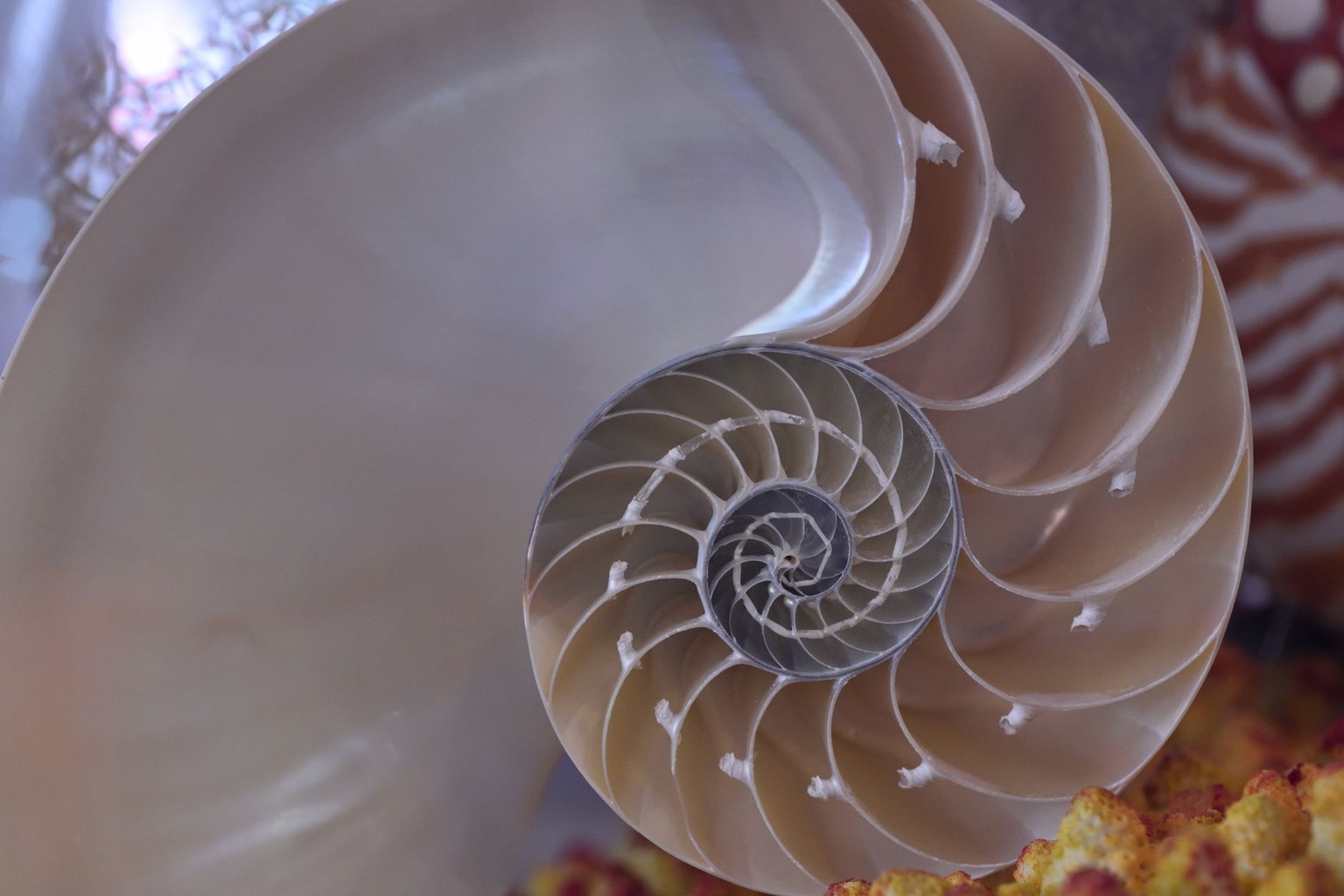
The visual language of nature has always dictated the structural and aesthetic choices of human creators, from the spiral shells that influenced Gothic architecture to the hexagonal grids found in modern textile patterns. This relationship is not merely decorative but foundational, as biological systems have solved problems of efficiency, strength, and beauty over millions of years of evolution. Understanding how these organic principles translate into creative work reveals why certain forms feel intuitively correct to the human eye while others appear disjointed or artificial. The study of biomimicry in artistic design offers a concrete framework for analyzing how specific biological mechanisms can be isolated and applied to new media without losing their inherent logic. By examining the transfer of structural logic from living organisms to static art forms, we gain insight into why some designs endure across centuries while others quickly become obsolete.
Structural Efficiency as an Aesthetic Driver
Nature does not use excess material, and this constraint forces a level of precision that human designers often struggle to replicate without extensive engineering support. The branching pattern of trees, known as fractal geometry, distributes weight evenly across the structure while maximizing surface area for light absorption. When artists adopt this branching logic in sculpture or installation, they create forms that appear both dynamic and stable, avoiding the visual heaviness that comes from solid, unbroken masses. This efficiency translates into a specific type of elegance where every element serves a dual purpose of support and ornamentation. The result is a design that feels inevitable rather than arbitrary, because it follows the same physical laws that govern the natural world.
The concept of minimalism in contemporary art often borrows directly from these biological efficiency markers, stripping away anything that does not contribute to the overall structural integrity. Consider the architecture of a bird’s nest, which achieves remarkable strength through the simple repetition of curved twigs and the tension between them. This principle can be applied to digital design, where the spacing between elements creates a sense of rhythm without the need for additional decorative flourishes. By focusing on the relationship between void and solid, creators can achieve a visual lightness that is impossible with purely geometric or mechanical approaches. The viewer’s eye is guided through the composition by the natural flow of the form, which mimics the organic growth patterns found in vines and roots.
This transfer of structural logic requires a deep understanding of how forces act upon materials, whether they are stone, steel, or pixels on a screen. When an artist understands that a bone is optimized for specific load-bearing conditions, they can apply that knowledge to create sculptures that appear to defy gravity while remaining physically grounded. The aesthetic appeal comes from the tension between the apparent fragility of the form and the actual strength of its construction. This duality creates a sense of wonder in the viewer, who recognizes the cleverness of the solution without needing to understand the underlying mathematics. It is a visual argument that complexity can emerge from simple rules applied consistently over time.
The Role of Self-Organization in Visual Rhythm
Biological systems rely on self-organization to create complex patterns from simple local interactions, a process that eliminates the need for a central controlling authority. In art, this concept manifests as the use of modular elements that repeat and vary according to specific rules, creating a sense of organic growth rather than rigid placement. The honeycomb structure of bees is a prime example of this, where hexagons fit together perfectly with no gaps, maximizing storage space with minimal wax. Artists who utilize this principle in mosaic or textile work create surfaces that feel alive and responsive, as if the pattern is growing under the viewer’s gaze. This approach contrasts sharply with top-down design methods, which often result in static and predictable compositions.
The stochastic nature of biological growth introduces variations that prevent monotony, a factor that is critical for maintaining visual interest in large-scale works. In a forest, no two trees are exactly alike, yet they all follow the same basic blueprint for growth and branching. When this variability is introduced into artistic patterns, it creates a texture that rewards close inspection while remaining harmonious from a distance. This balance between order and chaos is difficult to achieve through purely algorithmic means, which tend to produce uniformity that feels cold and mechanical. By incorporating slight deviations in the spacing or angle of repeated elements, creators can mimic the imperfection that signals authenticity to the human brain.
Material Properties and Biological Analogues
The choice of material in artistic design is often dictated by the need to replicate specific biological properties, such as flexibility, transparency, or resistance to wear. For example, the nacreous structure of a pearl shell provides both hardness and toughness, a combination that is difficult to achieve with synthetic materials. Artists who work with ceramics or glass may look to this structure for inspiration, creating layered compositions that distribute stress across multiple planes. This approach allows for the creation of objects that are both delicate in appearance and durable in practice, challenging the viewer’s expectations of material behavior.
On the What Does It Mean channel they explain symmetry secrets; you can watch it right here.
The concept of adaptive materials, which change their properties in response to environmental stimuli, is another area where biology offers rich inspiration. Leaves curl in response to moisture levels, and hair stands up when charged with static electricity. These responsive behaviors can be mimicked in artistic installations using smart materials that react to heat, light, or humidity. The resulting works are not static objects but dynamic systems that evolve over time, reflecting the ongoing processes of growth and decay found in nature. This temporality adds a narrative dimension to the art, as the piece tells its own story through its physical changes.
Understanding the microscopic structure of biological materials can also inform the macroscopic design of artistic objects. The wood grain of a tree, for instance, is not just a visual pattern but a record of its growth history and environmental conditions. When an artist selects wood for a sculpture, they are working with a material that already contains a narrative of time and place. This inherent story adds depth to the work, connecting it to the natural world in a way that synthetic materials cannot. The choice of material thus becomes a form of communication, conveying information about the relationship between the artist, the viewer, and the environment.
Fractal Geometry and Visual Complexity
Fractals are mathematical structures that exhibit self-similarity across different scales, a property found in many natural forms such as coastlines, clouds, and blood vessels. In art, fractal patterns create a sense of infinite complexity without requiring actual infinity, allowing for the creation of works that feel vast and detailed simultaneously. This quality is particularly effective in large-scale installations, where the viewer can appreciate the overall form from a distance while discovering intricate details up close. The human brain is naturally drawn to fractal patterns, which may explain their prevalence in both natural and artistic contexts.
The use of fractal geometry in design can also help to create a sense of harmony and balance, as these patterns tend to distribute visual weight evenly across the composition. This balance is not rigid or symmetrical but organic and fluid, reflecting the dynamic nature of biological systems. Artists who incorporate fractal elements into their work often find that it helps to guide the viewer’s eye through the piece in a natural and intuitive way. The result is a design that feels cohesive and unified, even when composed of many different elements.
Cultural Interpretations of Natural Forms
The interpretation of natural patterns varies significantly across different cultures, reflecting unique historical and philosophical perspectives on the relationship between humans and the environment. In Japanese aesthetics, the concept of wabi-sabi emphasizes the beauty of imperfection and transience, often drawing inspiration from the irregular forms found in nature. This contrasts with Western traditions, which have historically favored symmetry and proportion as ideals of beauty. Understanding these cultural contexts is essential for artists who wish to communicate effectively with diverse audiences, as the same natural form may carry very different connotations depending on the viewer’s background.

The symbolism attached to specific plants and animals can also influence the way natural patterns are incorporated into artistic design. For example, the lotus flower is often associated with purity and enlightenment in Eastern cultures, while it may be viewed simply as a decorative motif in Western contexts. Artists who are aware of these symbolic associations can use them to add layers of meaning to their work, creating pieces that resonate on multiple levels. This depth of interpretation is one of the key advantages of drawing from natural sources, which offer a rich vocabulary of forms and meanings that have been developed over thousands of years.
Practical Applications in Contemporary Practice
The principles of biomimicry in artistic design are increasingly being applied in practical contexts, from product design to public art installations. Architects use the structural logic of termite mounds to create buildings that regulate temperature naturally, while designers study the surface of shark skin to develop materials that reduce drag and resistance. These applications demonstrate the tangible benefits of learning from nature, showing how biological solutions can address real-world problems in efficient and sustainable ways. For artists, this means that their work can have a direct impact on the way we live and interact with our environment.
The rise of digital fabrication technologies has also made it easier to create complex biomimetic forms that would have been impossible to produce by hand. 3D printing allows for the creation of intricate lattice structures that mimic the internal architecture of bones or coral, while laser cutting can produce precise patterns inspired by leaf venation. These tools enable artists to explore new possibilities for form and structure, pushing the boundaries of what is possible in artistic design. The result is a new generation of works that are both technically advanced and deeply rooted in biological principles.

I have spent the past decade exploring the intersections of Freemasonry, art, and science, researching historic manuscripts and architectural symbolism. My work as a freelance writer and independent researcher allows me to share the rich history of knowledge that these traditions embody.