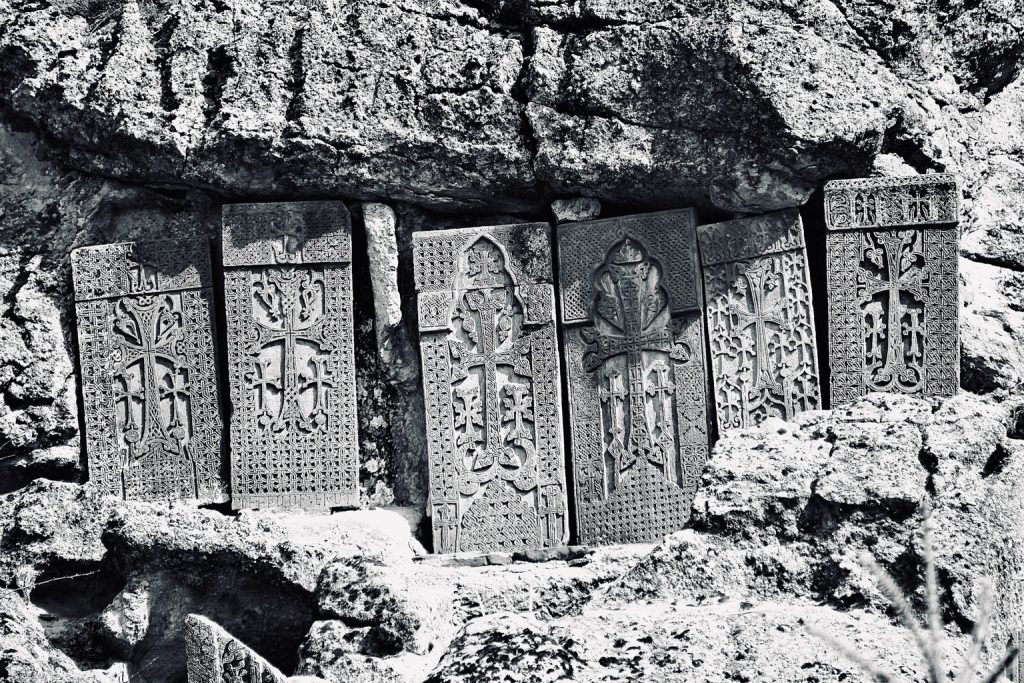
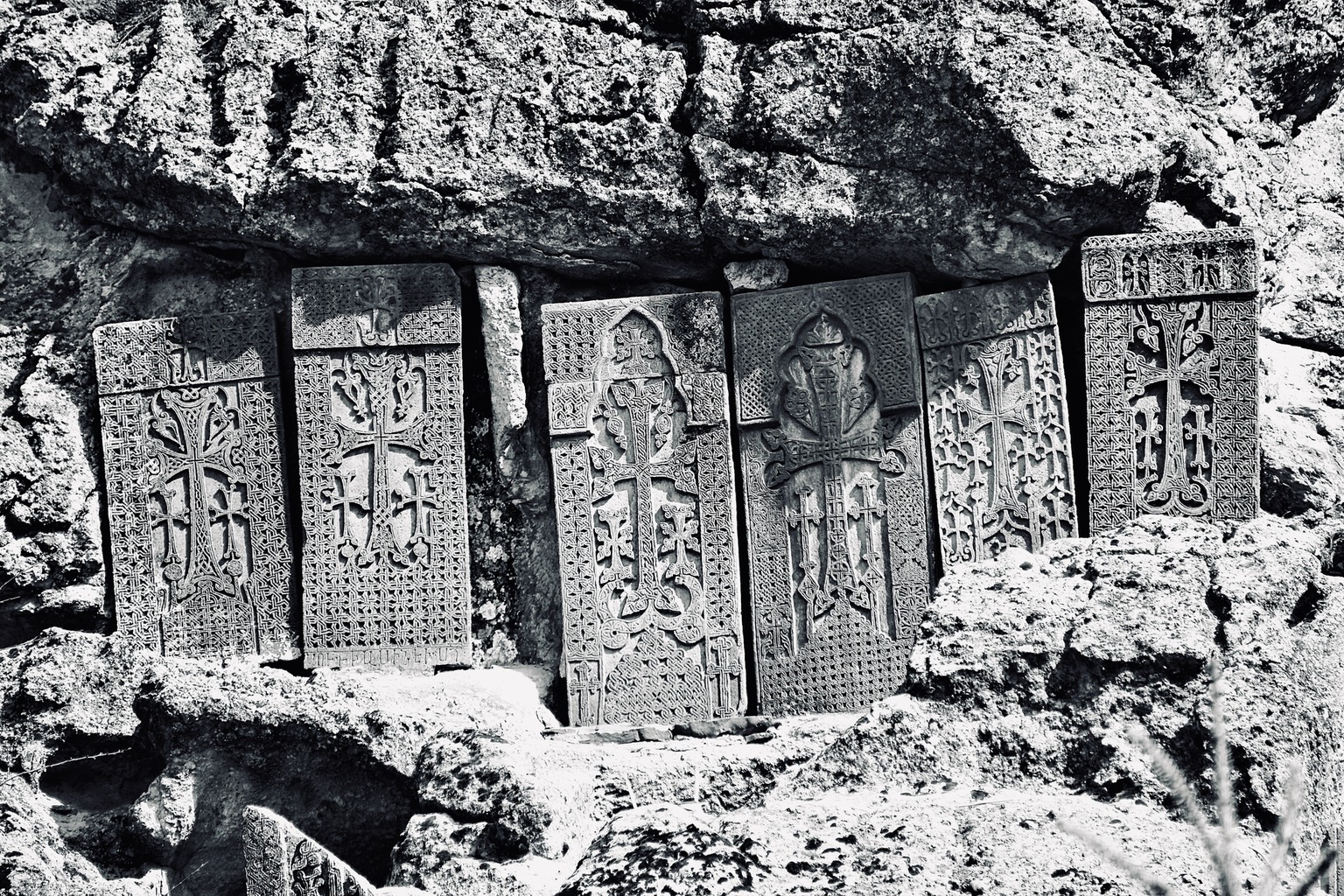
Star charts were never just scientific instruments; they were foundational blueprints for visual culture across millennia. The intersection of ancient astronomy in art history reveals how precise celestial observations directly shaped composition, symbolism, and narrative structure in ancient visual media. By treating the night sky as a measurable canvas, early observers provided artists with a geometric framework that went far beyond simple decoration. This relationship explains why certain constellations recur in temple reliefs, pottery, and manuscript illuminations across different continents, often separated by thousands of miles but united by shared observational data. Understanding this link requires looking past the mythological layers to see the rigorous astronomical logic that guided brush and chisel.
Criteria for Identifying Astronomical Influence in Art
To distinguish genuine astronomical influence from generic celestial decoration, scholars rely on three specific markers: positional accuracy, temporal consistency, and medium-specific adaptation. Positional accuracy means the relative distances between stars match actual sky observations within a margin of error that accounts for hand-drawn limitations. If a depiction shows Sirius and Orion in a configuration that only occurs during a specific season or year, the artist was working from direct observation rather than rote copy. This level of precision is rare and immediately signals a deliberate scientific intent behind the artistic choice.
Temporal consistency tracks how a specific star map evolves across different periods within the same culture. When you see the same constellation shift its orientation in art over two centuries, it mirrors the precession of the equinoxes, proving the artist was updating their data based on current skies. This dynamic quality separates static mythological motifs from living astronomical records embedded in visual work. It suggests a continuous dialogue between the observatory and the studio, where new data flowed into artistic practice without breaking stylistic traditions already established.
Medium-specific adaptation refers to how physical constraints of stone, clay, or papyrus forced astronomers to simplify or abstract their data. The sculptor used basalt to create symbolic representations, employing size differentiation and negative space to convey hierarchy within Masonic Symbolism. This translation from mathematical data to tactile form is where artistic innovation truly begins, as the medium dictates how the science is perceived. Recognizing these adaptations helps us see that the art was not a failure of precision but a successful negotiation between accuracy and material reality.
Mesopotamian Clay Tablets: The Geometric Foundation
Mesopotamian star tablets, dating back to the second millennium BCE, represent the earliest known systematic attempt to map the sky for both practical and aesthetic purposes. These small clay discs were not merely records; they served as compositional templates that influenced the layout of temple ceilings and cylinder seals. The artists who carved these seals often used the same geometric grids found on the tablets, creating a visual rhythm that mirrored the order of the cosmos. This direct transfer from scientific notation to decorative art established a precedent where the structure of the sky dictated the structure of the image.
The specific innovation here was the use of dot patterns to represent star magnitudes, a technique that allowed artists to convey depth and distance without using color. By varying the size and spacing of incised dots, creators could suggest the brightness of major stars while keeping the background uncluttered. This minimalist approach proved remarkably durable, surviving for centuries in various artistic contexts. It offered a solution to the problem of representing light on a matte surface, proving that abstract notation could be just as expressive as detailed figural work when applied to celestial themes.
Comparing these tablets with later mural fragments from Urkesh reveals a clear stylistic evolution driven by astronomical necessity. As observations became more precise, the dot patterns grew denser and more regular, reflecting a growing confidence in the data. Artists began to align their decorative borders with the actual horizon lines recorded on the tablets, integrating the scientific frame into the artistic composition. This shift indicates that the audience for these works included both priests who needed accuracy and laypeople who appreciated the visual harmony of the ordered sky.
Egyptian Coffin Paintings: Narrative Alignment
Egyptian coffin paintings from the New Kingdom era demonstrate a sophisticated use of star maps to structure narrative sequences, particularly in the depiction of the soul’s journey through the afterlife. The stars are not randomly placed but follow a strict celestial calendar that dictates the timing of specific mythological events. This alignment ensures that the visual story unfolds in sync with the actual movement of key constellations across the night sky. The artist acts as a translator, converting temporal astronomical data into spatial narrative flow that guides the viewer’s eye through the cycle of death and rebirth.
On the Cosmic Cartography Sleep channel they cover this topic in depth, and you can watch it right here.
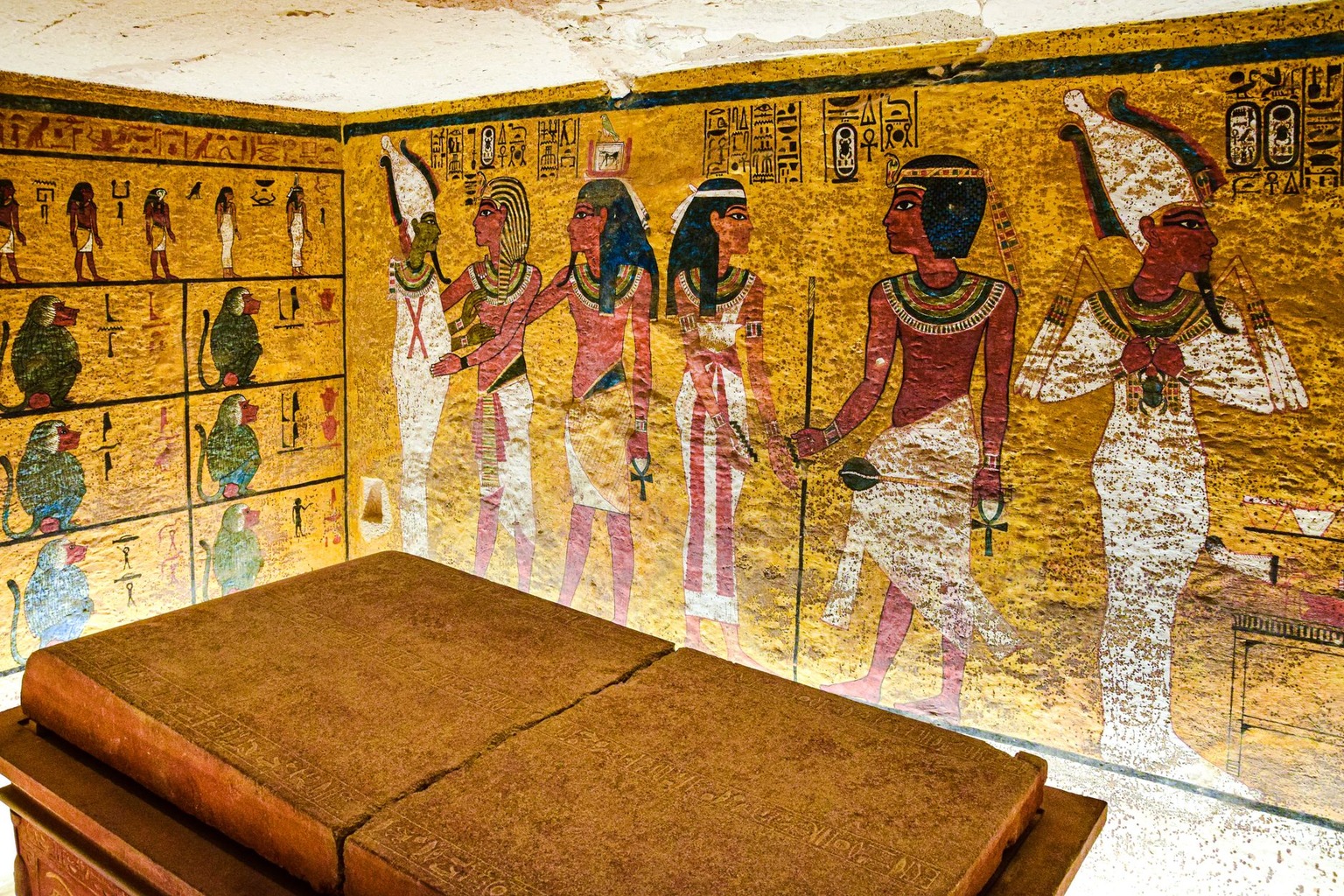
The use of specific star decans, or groups of stars that rise one by one over the year, provided a ready-made rhythmic structure for artistic composition. Each decan was associated with a particular deity and a specific hour, creating a grid of meaning that artists could populate with iconography. This system allowed for a high degree of variation while maintaining strict adherence to astronomical correctness. The innovation lies in how this rigid framework was softened by expressive brushwork, balancing scientific constraint with emotional resonance in a way that purely decorative art could not achieve.
In the tomb of Ramesses IV, the star map on the ceiling aligns perfectly with the architectural axes of the burial chamber, a feat of integration that required collaboration between architects and astronomers. This physical alignment meant that certain stars would appear directly above the sarcophagus at specific times, linking the physical space to the celestial sphere in real time. The artistic choice to paint the map in such a way that it functioned as an active part of the ritual space shows a deep understanding of how art can mediate between the human and cosmic scales. It transforms the room into a microcosm where the boundaries between the earthly and heavenly are visually dissolved.
Chinese Celestial Murals: Spatial Hierarchy
Chinese celestial murals from the Han Dynasty offer a distinct approach to integrating star maps into art, focusing on spatial hierarchy rather than temporal narrative. These works often depict the sky as a domed structure with the North Star at the center, radiating outwards to represent the administrative order of the universe. The artist structured surrounding figures around a central point, establishing a visual logic that reflects political and social structures. This approach treats the star map not as a record of observation but as a model for cosmic governance, influencing how subsequent artists organized complex scenes around a focal point.
The innovation in these murals is the use of color coding to distinguish between different celestial regions, a technique that added another layer of information without increasing visual clutter. Red stars represented the southern region, associated with fire and the summer, while white stars marked the west, linked to metal and autumn. This chromatic system allowed viewers to quickly identify the season or element being referenced, adding a functional utility to the aesthetic display. It demonstrates how artistic innovation can arise from the need to make complex astronomical data accessible to a broader audience, turning science into a shared cultural language.
When comparing these murals with contemporary bronze vessels, we see that the same hierarchical principles were applied to three-dimensional forms. The placement of star symbols on the rims and bases of vessels followed the same radial logic seen in the flat murals, suggesting a unified artistic philosophy across different media. This cross-medium consistency indicates that the astronomical framework was deeply embedded in the cultural imagination, shaping how artists approached composition regardless of the material they were working with. It shows that the influence of star maps extended beyond specific artworks to shape the underlying grammar of visual representation.
Greek Astrolabe Engravings: Technical Precision
Greek astrolabe engravings from the Hellenistic period represent a peak in technical precision, where the boundary between scientific instrument and artistic object becomes almost invisible. These intricate plates were designed to be both functional tools for calculation and beautiful objects of display, requiring artists to balance clarity with ornamentation. The fine engraving techniques developed for these instruments influenced broader metalworking practices, introducing a level of detail and accuracy that raised the standard for all subsequent decorative arts. The demand for precision in the astrolabe forced artisans to develop new tools and methods, which they then applied to other forms of artistic production.
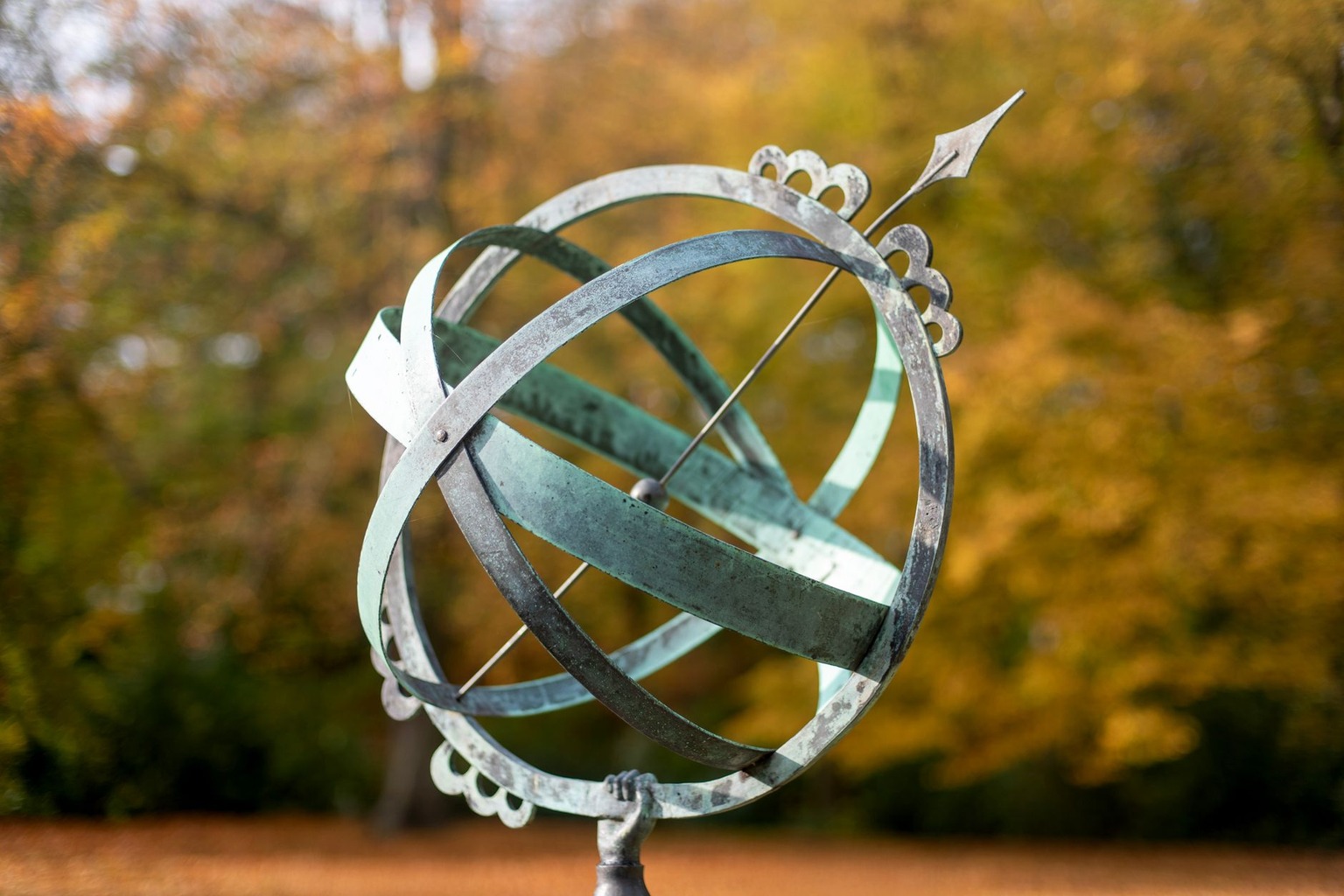
The aesthetic innovation here lies in the use of negative space to represent the heavens, a concept that influenced later Islamic geometric art as well. By leaving large areas of the plate unengraved, artists created a sense of depth and mystery that mirrored the vastness of the sky. This restraint became a hallmark of Hellenistic artistic style, where less was often more, and the absence of decoration was used to highlight the precision of what remained. It challenged the prevailing notion that art required density and complexity to be valuable, proposing instead that elegance could emerge from clarity and mathematical rigor.
Studying the wear patterns on surviving astrolabes reveals how these objects were handled and valued by their owners, offering insights into the social context of astronomical art. The polished surfaces suggest frequent use, while the careful preservation of fine engravings indicates a respect for both the scientific and aesthetic qualities of the piece. This dual function meant that the artist had to consider both the user’s needs and the viewer’s expectations, resulting in objects that were versatile and adaptable. The legacy of these engravings can be seen in the continued emphasis on precision and beauty in scientific illustration throughout the medieval period and beyond.
Selecting the Right Astronomical Model for Your Art
Choosing which astronomical model to base your artistic work on depends on the specific message you want to convey and the medium you are using. If you are working with narrative themes, the Egyptian decan system offers a ready-made structure that links time, deity, and location in a cohesive way. This model is particularly effective for sequential artworks where the viewer’s journey through the piece mirrors the soul’s journey through the afterlife. It provides a clear framework for pacing and emphasis, ensuring that each section of the work has a distinct astronomical and mythological weight.
For projects focused on spatial organization and hierarchy, the Chinese radial model is more appropriate, as it naturally lends itself to circular compositions and central focal points. This approach works well for installations or architectural elements where the viewer’s position relative to the artwork is important. The radial structure allows for a dynamic interaction between the viewer and the piece, as different sections become prominent depending on where one stands. It encourages active engagement with the work, making the astronomical data a tool for guiding movement and attention rather than just providing static information.
If technical precision and clarity are your primary goals, the Greek astrolabe model offers the most direct path to integrating scientific data into your art. This approach requires a high level of skill and attention to detail, but it results in works that are both intellectually rigorous and aesthetically refined. It is best suited for smaller scale pieces where fine details can be appreciated up close, such as engravings, illustrations, or digital designs. By choosing the right model, you ensure that your artistic innovation is grounded in solid astronomical principles, creating a work that resonates on multiple levels.

I have spent the past decade exploring the intersections of Freemasonry, art, and science, researching historic manuscripts and architectural symbolism. My work as a freelance writer and independent researcher allows me to share the rich history of knowledge that these traditions embody.