Masonic art occupies a unique crossroads where visual symbolism meets disciplined inquiry, offering a fertile ground for mental development. From the square and compasses to intricate allegorical murals, the imagery serves as a coded language that invites contemplation and self‑examination. Practitioners learn to decode layered meanings, a skill that sharpens pattern recognition and abstract thinking. In the broader context of art and science, this disciplined visual literacy mirrors the analytical habits cultivated in laboratory work or mathematical proof. By engaging with Masonic art, the mind rehearses the same cognitive steps required for scientific observation, hypothesis formation, and critical evaluation.
Symbolic Language of Masonic Art
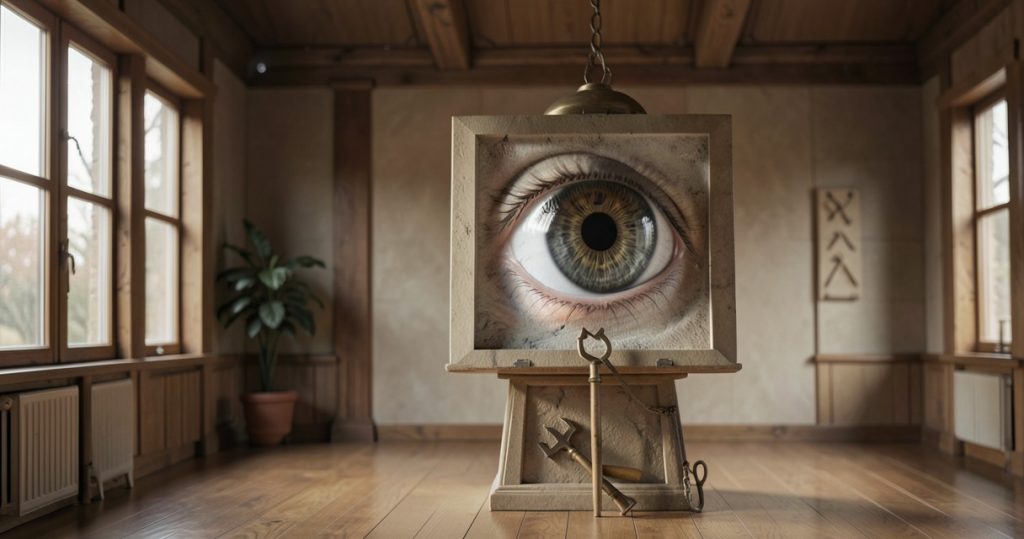
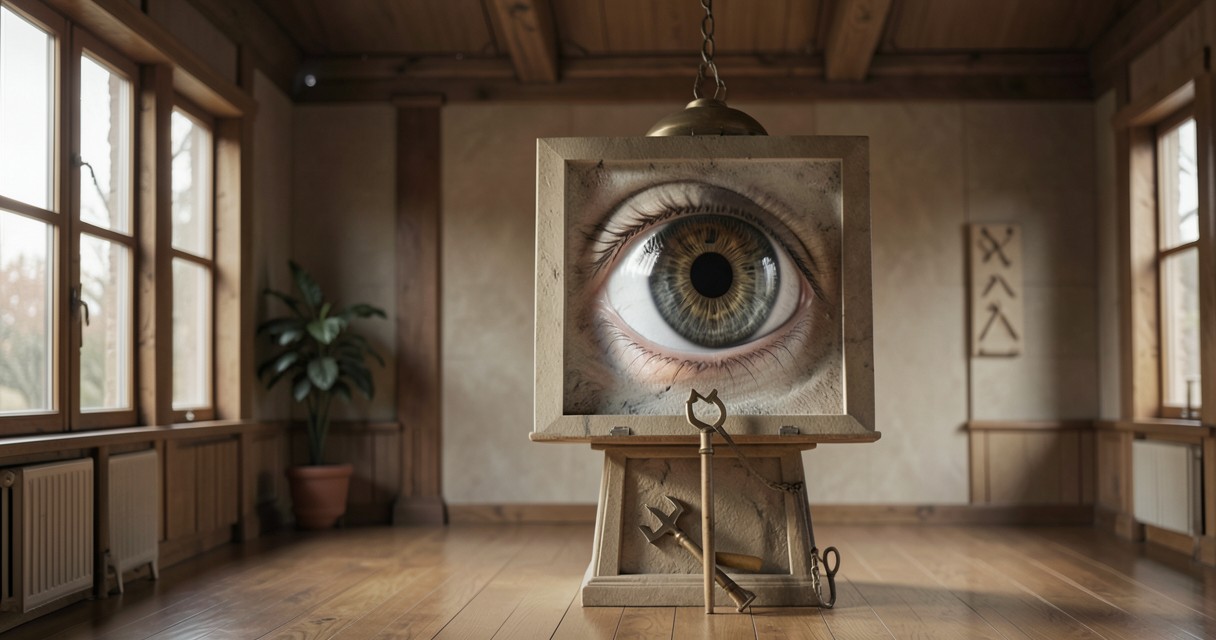
At the heart of Masonic visual culture lies a repertoire of symbols that convey ethical lessons and philosophical concepts. The all‑seeing eye, for example, is not merely decorative; it represents the principle of vigilance and the pursuit of truth, prompting viewers to reflect on personal accountability. Such symbols are deliberately placed in lodge walls, furniture, and ceremonial regalia, creating an immersive environment where meaning is constantly reinforced. The repetitive exposure to these icons conditions the brain to associate visual cues with moral ideas, a process comparable to learning a new alphabet that translates into richer internal dialogue.
Beyond static symbols, Masonic art frequently incorporates narrative scenes drawn from ancient myths, biblical stories, and allegorical fables. A common tableau depicts the rebuilding of King Solomon’s Temple, a motif that illustrates themes of order, craftsmanship, and collective effort. When members study these scenes, they practice sequential reasoning, tracing cause and effect across visual elements. This habit of following a visual storyline nurtures the ability to construct logical arguments, a competence that transfers readily to scientific discourse and technical writing.
Architectural Geometry as Cognitive Training
The geometric precision evident in Masonic architecture provides a hands‑on laboratory for spatial intelligence. Lodges are often designed around the golden ratio, with columns, arches, and floor plans reflecting exact proportions. Engaging with such spaces forces participants to internalize concepts of symmetry, scale, and proportion without recourse to textbooks. Studies of spatial reasoning suggest that regular interaction with well‑ordered environments can improve mental rotation skills, a key component of engineering and physics problem solving.
In many historic lodges, the tools of the stonemason, compass, square, level, are displayed not merely as relics but as teaching aids. Apprentices are encouraged to sketch these instruments, calculate angles, and recreate ornamental patterns on paper. This practice bridges artistic drawing with geometric calculation, reinforcing the notion that beauty and precision are mutually supportive. The resulting mental flexibility benefits disciplines ranging from computer graphics to molecular modeling, where visual exactness underpins scientific insight.
Illustrated Rituals and Moral Reasoning
Masonic rituals are accompanied by richly illustrated manuscripts that depict each stage of the ceremony. These illustrated guides serve as visual prompts that help initiates remember procedural steps while internalizing the underlying ethical messages. By linking a specific gesture to a symbolic illustration, the mind creates a dual memory trace, motoric and visual, that strengthens retention. This multimodal approach mirrors modern educational techniques that combine diagrams with verbal explanation to enhance comprehension.
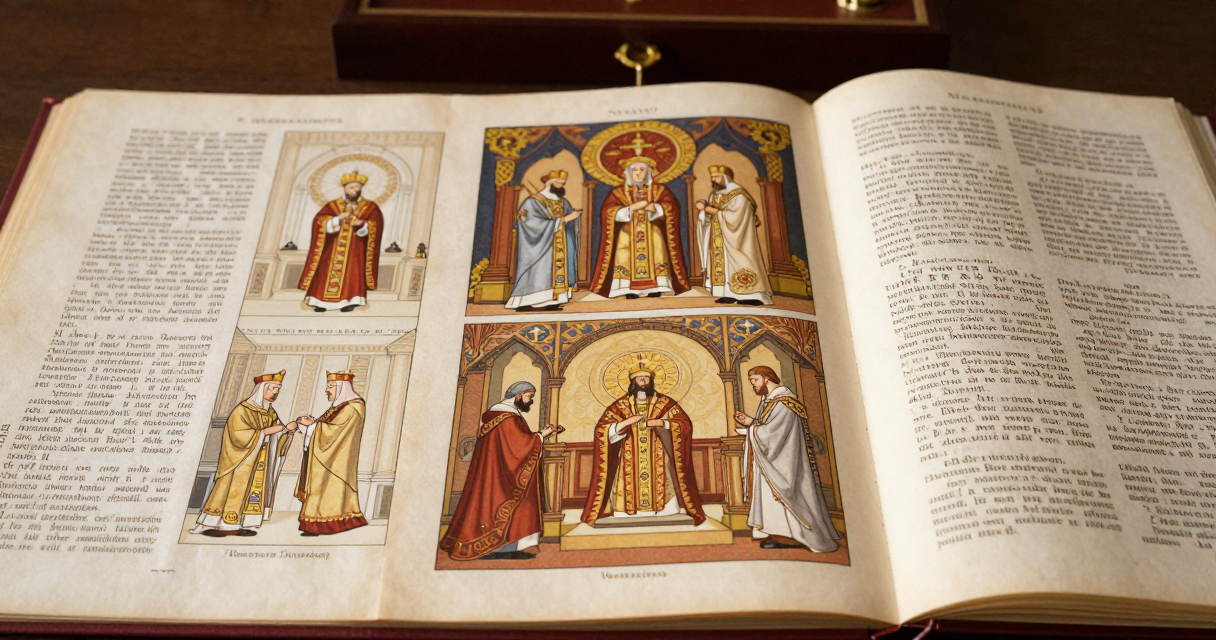
The moral narratives embedded in the artwork often portray virtues such as charity, temperance, and fortitude as personified figures. When a learner interprets a painting of the “Virtues” surrounded by tools of the trade, they are compelled to consider how abstract qualities manifest in concrete actions. This reflective exercise sharpens the ability to evaluate ethical dilemmas, a skill increasingly valued in scientific research where integrity and societal impact are paramount.
Freemason Libraries and Visual Scholarship
Many grand lodges maintain libraries that house rare prints, scientific atlases, and artistic treatises collected over centuries. These collections are curated to illustrate the convergence of artistic technique and empirical observation. For instance, a 19th‑century volume on botanical illustration may sit beside a ledger of Masonic symbols, inviting comparative study of line work, shading, and annotation practices. Access to such resources encourages members to adopt scholarly habits, tracing the evolution of visual representation across disciplines.
Regular reading groups within lodges often focus on the analysis of these works, prompting participants to present findings in both oral and visual formats. Preparing a presentation that includes reproduced plates, annotated diagrams, and contextual commentary forces the presenter to synthesize information and articulate it clearly. This process mirrors academic conference preparation, reinforcing research methodology, critical appraisal, and effective communication, core competencies of scientific education.
Masonic Patronage of Scientific Illustration
Historically, Masonic patrons have funded the production of scientific illustrations that advanced knowledge in fields such as anatomy, astronomy, and engineering. A notable example is the sponsorship of an 18th‑century series of star charts that combined precise celestial mapping with ornamental borders inspired by Masonic motifs. The integration of decorative frames did not diminish scientific accuracy; instead, it demonstrated that aesthetic appeal could coexist with rigorous data representation.
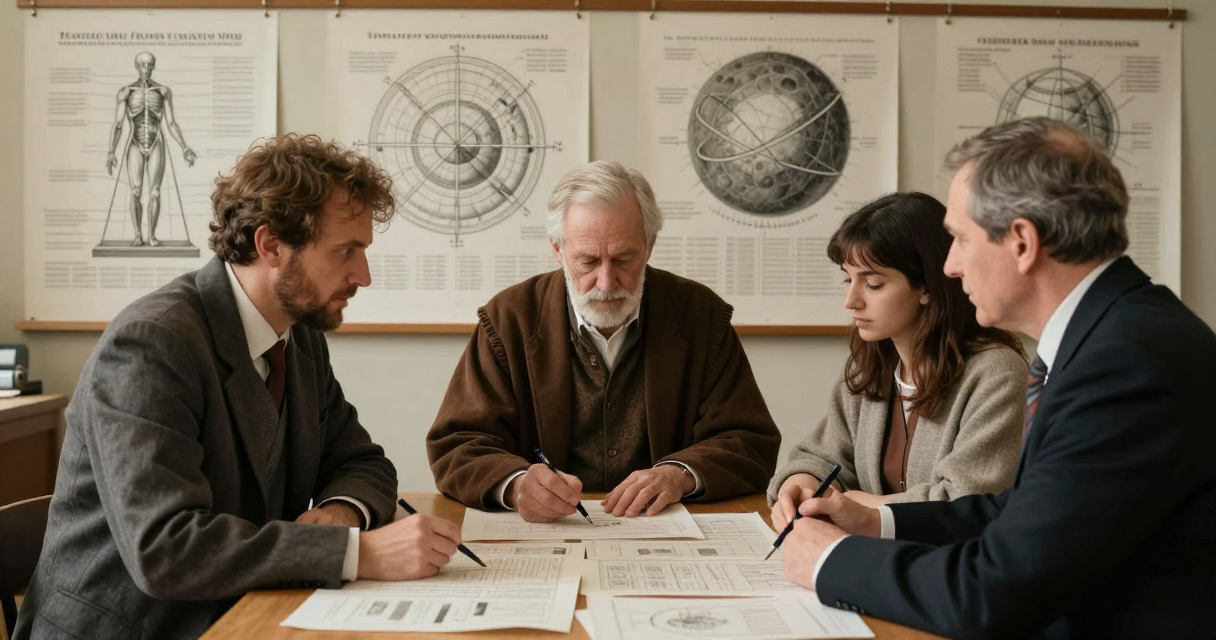
These commissioned works often required collaboration between artists trained in perspective and scientists versed in measurement, fostering interdisciplinary dialogue. Participants in such projects learned to translate quantitative findings into visual language that was both accurate and engaging. The legacy of this patronage persists in contemporary educational programs that emphasize the creation of infographics and data visualizations as essential tools for communicating complex research.
Contemporary Masonic Schools and Integrated Curriculum
Several private schools founded on Masonic principles incorporate visual arts directly into their science and mathematics curricula. One academy in the United Kingdom reports that 85 percent of its students engage in a weekly “Symbolic Geometry” workshop, where they design mosaics based on fractal patterns derived from lodge emblems. The school tracks improvements in standardized test scores, noting an average rise of ten points in spatial reasoning sections over three years.
Another institution pairs art history lessons with laboratory experiments, encouraging students to recreate the pigments used in historic Masonic frescoes while analyzing their chemical composition. This hands‑on approach demystifies the material science behind artistic media and reinforces the scientific method through observation, hypothesis, and verification. By embedding Masonic artistic heritage within modern pedagogy, these schools illustrate how tradition can enrich contemporary learning, producing graduates who navigate both creative and analytical challenges with confidence.

I have spent the past decade exploring the intersections of Freemasonry, art, and science, researching historic manuscripts and architectural symbolism. My work as a freelance writer and independent researcher allows me to share the rich history of knowledge that these traditions embody.