Introduction to Masonic Art and Rational Enlightenment
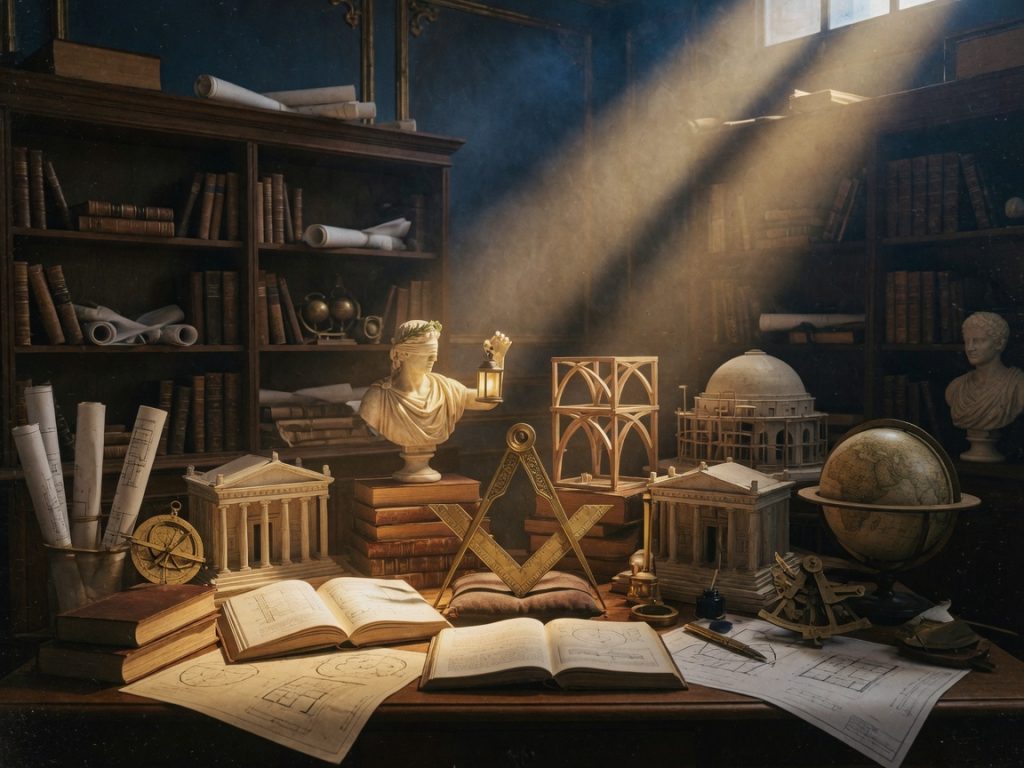
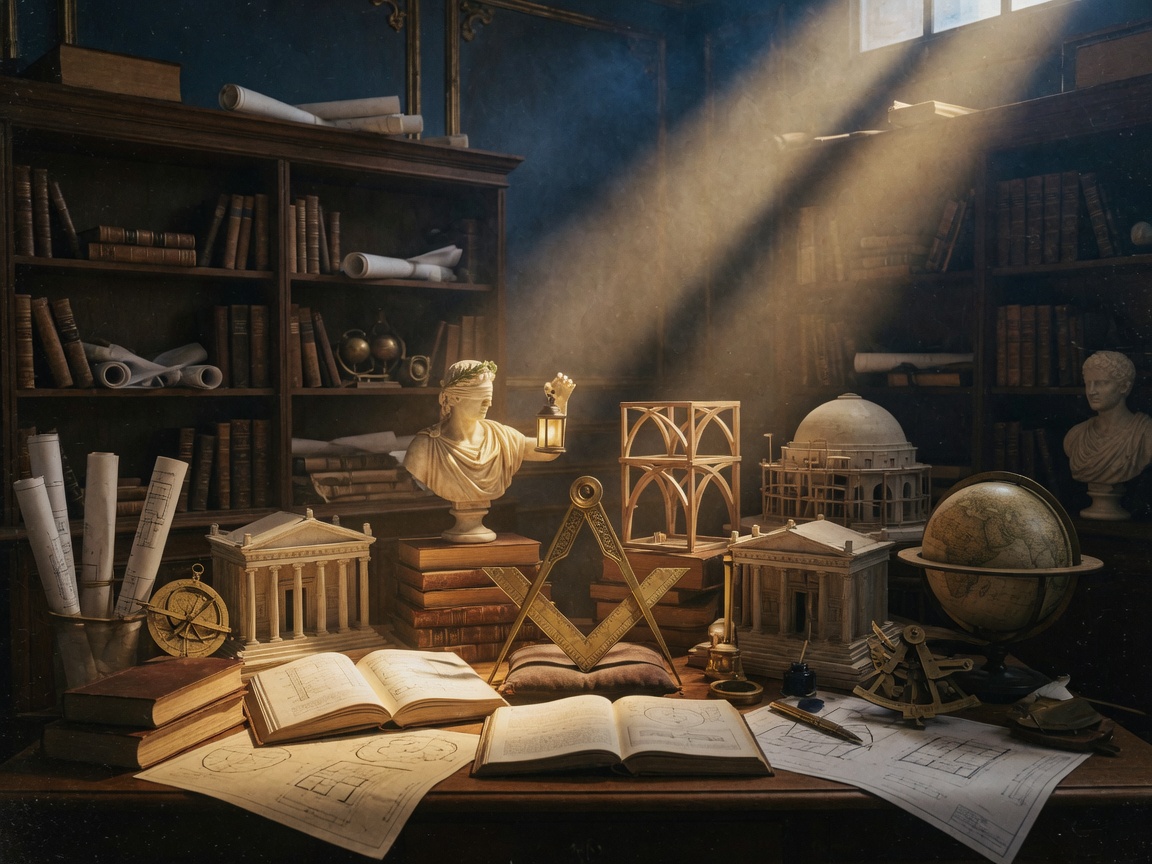
Masonic art occupies a unique position where symbolism, philosophy, and aesthetics converge, reflecting the intricate beliefs and principles of Freemasonry. Emerging prominently during the period known as the Rational Enlightenment, this artistic expression is deeply intertwined with the intellectual currents that shaped Western thought in the 17th and 18th centuries. The era was characterized by an emphasis on reason, science, and empirical knowledge, which profoundly influenced the themes and motifs found within Masonic art.
Freemasonry, a fraternal organization dating back to the late medieval stonemason guilds, developed a rich symbolic language to convey its teachings. This symbolism, embodied in tools such as the compass and square, as well as allegorical figures and architectural imagery, finds vivid representation in Masonic art. Such art is not merely decorative but serves as a didactic tool that encapsulates the philosophical ideals of the fraternity. The motifs prevalent in Masonic art are a reflection of the broader rationalist spirit of the Enlightenment, which sought to illuminate truth through logic and reason rather than tradition or superstition.
The historical context of the Rational Enlightenment provides essential insight into why Masonic art adopted its distinctive characteristics. During this period, intellectuals challenged established dogmas and advocated for liberty, tolerance, and progress. Freemasonry aligned itself with these values, positioning its symbolism within the framework of moral philosophy and individual improvement. The interplay between the era’s rationalist ideals and Masonic symbolism underscores how artistic expression functioned as a bridge between esoteric knowledge and public enlightenment.
Ultimately, Masonic art can be seen as a visual manifestation of the Rational Enlightenment’s quest for knowledge and ethical living. By embedding its symbols within the aesthetics of the time, Masonic art not only chronicled the philosophical evolution of Freemasonry but also contributed to the broader cultural movement that championed reason as the path to human advancement. Understanding this intersection offers a richer appreciation of both the art form and the historical period that shaped it.
Key Symbols and Themes in Masonic Art
Masonic art is richly imbued with masonic symbols that serve not only as artistic expressions but also as conveyors of deeper philosophical messages. These emblematic images are central to the visual culture of Freemasonry and are deeply intertwined with the core Freemasonry themes of knowledge, morality, and rational inquiry. Within the context of the Rational Enlightenment, such symbols gain an added layer of significance, representing the quest for truth through reason and the cultivation of ethical virtue through education.
One of the most prevalent artistic motifs in Masonic art is the square and compasses. This emblematic imagery is universally recognized as a symbol of balance and measurement, emphasizing the critical role of precision and discipline in the pursuit of knowledge during the Enlightenment era. The square represents morality, urging adherents to “square their actions,” while the compasses symbolize the boundaries of rational thought and self-control, highlighting the importance of intellectual and ethical boundaries within human endeavors.
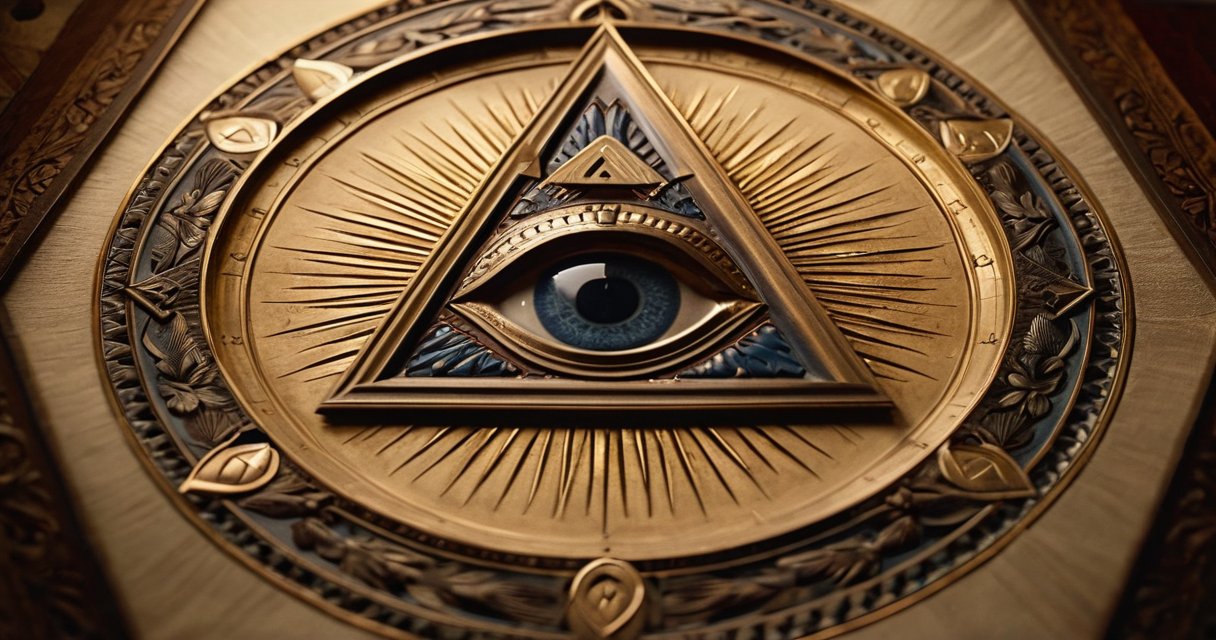
Another foundational masonic symbol is the all-seeing eye, often depicted as an eye enclosed within a triangle or radiating light. This imagery conveys the Enlightenment ideal of an omnipresent rational mind that observes and understands the universe. It stands as a metaphor for divine wisdom as well as human reason, underlining the belief that intellectual enlightenment is both a spiritual and rational pursuit.
The pillars of Boaz and Jachin, frequently illustrated in Masonic art, further express dualities central to Freemasonry themes such as strength and establishment, or darkness and light. These pillars symbolize the gateway to knowledge, representing the tension between material and spiritual worlds that was a key concern of Enlightenment thinkers. Artistic motifs featuring these pillars often invite contemplation on the balance of opposites and the transcendence of superficial dualities through reasoned understanding.
In addition to these specific symbols, emblematic imagery such as the blazing star, the level, and the plumb line appear regularly, each reinforcing the Enlightenment ideals of fairness, equality, and upright behavior. Collectively, these symbols create a visual lexicon that is both instructional and inspirational, encouraging those who engage with Masonic art to embrace the pursuit of knowledge through rationalism, self-improvement, and ethical conduct.
The Compass and Square as Icons of Rationality
In the rich symbolism of Freemasonry, the compass symbol and the square symbol hold profound significance as tools that embody rational Enlightenment principles. These freemasonry tools are not merely physical instruments but serve as metaphors for reason, balance, and moral integrity in the journey toward knowledge and self-improvement.
The compass symbol represents the ability to draw boundaries and maintain self-control, guiding individuals to act with wisdom and restraint. It teaches the value of keeping emotions and desires in check, allowing reason to govern decisions. This reflects the Enlightenment’s emphasis on reason as the primary means of understanding the world and navigating the complexities of human nature.
Complementing the compass, the square symbol stands for fairness, honesty, and the necessity of aligning one’s actions with just principles. It symbolizes the importance of moral balance and integrity in daily life, reminding Freemasons to “square their actions” by ethical standards. Together, these symbols highlight the harmony between emotion and intellect—a core ideal of rational Enlightenment thought.
By integrating the compass symbol and square symbol into its iconography, Freemasonry connects its ancient traditions with Enlightenment values, emphasizing personal growth through reason and balanced conduct. These freemasonry tools remain powerful icons of intellectual discipline, guiding members to live thoughtfully and ethically within society.
Light and Illumination in Masonic Imagery
In Masonic art, light symbolism plays a pivotal role in conveying deeper meanings connected to knowledge and intellectual awakening. The imagery of illumination within this tradition is not merely decorative; it functions as a metaphor for the enlightenment ideals that underpin Masonic philosophy. Light, in this context, represents the journey from ignorance to understanding, illuminating the seeker’s path towards wisdom and moral clarity.
Masonic art meaning often draws upon centuries-old allegories where light dispels darkness, symbolizing the acquisition of knowledge and truth. This metaphorical use highlights the transformative power of education and critical thinking, two core tenets inherited from the Enlightenment period. Through carefully crafted symbols such as the blazing star, torches, and radiant beams, Masonic art visually communicates the aspiration for intellectual and spiritual illumination.
The emphasis on illumination in Masonic imagery aligns closely with the Enlightenment ideals that emphasized reason, science, and self-improvement. Masons embraced these principles, using light symbolism as a visual shorthand for the rational mind dispelling superstition and ignorance. As a result, Masonic art not only celebrates aesthetic values but also serves as a vessel for profound philosophical messages, inviting viewers to reflect on the enduring pursuit of enlightenment and the power of knowledge.
Influence of Rational Enlightenment on Masonic Art Styles
The Rational Enlightenment, with its emphasis on reason, knowledge, and progress, deeply shaped the art styles embraced within Masonic culture. This intellectual movement encouraged a shift away from the ornate and emotional tendencies of earlier artistic periods toward clarity, balance, and harmonious composition. As a result, Masonic artworks began to reflect a profound alignment with these ideals, integrating the principles of logic and order into their visual language.
One of the most significant manifestations of the Rational Enlightenment influence on Masonic art styles was the adoption of neoclassicism. Drawing inspiration from the art and architecture of ancient Greece and Rome, neoclassicism resonated with the Masons’ reverence for classical knowledge and symbolic traditions. The clean lines, symmetry, and restrained decoration characteristic of neoclassical design found natural expression in Masonic art, where symbolic clarity was paramount.
Moreover, the evolution of Masonic art during this period illustrated a deliberate use of geometric forms and allegorical imagery that echoed the rational foundations of Enlightenment philosophy. The figures, motifs, and emblems commonly depicted were rendered with precision and a focus on proportion, underscoring the connection between artistry and reason. This methodological approach underscored the Masons’ belief in the harmony between the physical and metaphysical worlds, a key Enlightenment ideal.
Technically, the Rational Enlightenment influence encouraged artists working within Masonic circles to embrace disciplined techniques and scholarly research when creating their works. This dedication to intellectual rigor enhanced the narrative and symbolic richness of Masonic art, allowing it to serve both aesthetic and educational functions. Artists sought to convey moral and philosophical lessons through meticulously crafted images that balanced visual appeal with conceptual depth.
In summary, the Rational Enlightenment influence played a pivotal role in shaping the evolution of masonic art. By melding neoclassicism with a rationalist approach, Masonic artworks became embodiments of intellectual clarity and symbolic meaning. This fusion not only elevated the artistic quality but also reinforced the core values and teachings central to Masonic tradition.
Legacy and Modern Interpretations of Masonic Art
The legacy of freemasonry is profoundly etched in the annals of art history, where its symbolism and philosophy have inspired generations of artists. Traditionally, Masonic art served as a conduit for the rational ideals of the Enlightenment, emphasizing reason, knowledge, and moral uprightness. This rich heritage continues to resonate today, as modern Masonic art breathes new life into age-old symbols, adapting them to contemporary aesthetics and cultural contexts.
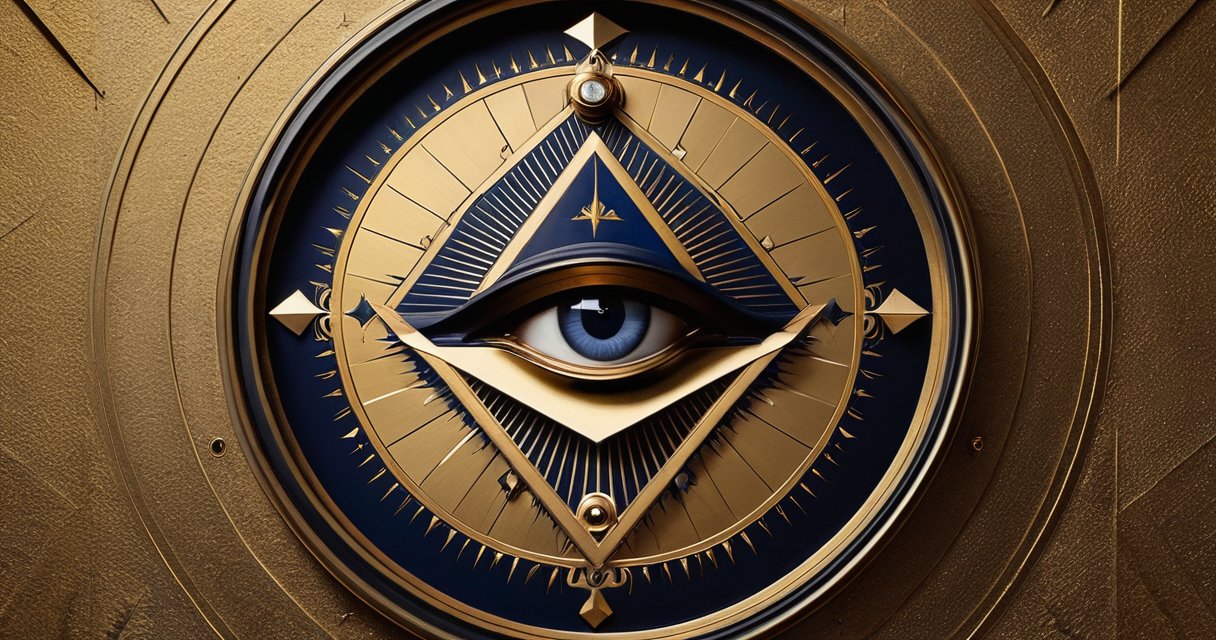
Contemporary symbolism within Masonic artworks often reflects a seamless blending of historical meaning with present-day concerns. Artists today draw from the foundational concepts of rational enlightenment, such as intellectual progress and the pursuit of truth, while integrating personal and societal narratives that speak to modern audiences. This synthesis reinforces the enduring cultural impact of freemasonry, illustrating how its principles remain relevant across centuries.
Modern Masonic art is characterized by a diversity of styles, ranging from abstract and minimalist compositions to vibrant and intricate designs that explore the depth of symbolic language. These pieces are not merely decorative; they challenge viewers to engage with the philosophical underpinnings of the craft. Many contemporary artists subtly incorporate geometric patterns, allegorical imagery, and esoteric motifs, inviting reflection upon the mysteries of existence and the human capacity for enlightenment.
Moreover, the cultural impact of Masonic art extends beyond lodges and private collections, finding expression in public installations, digital media, and interdisciplinary collaborations. Through these channels, the themes of freemasonry reach broader audiences, fostering an appreciation for its intellectual rigor and aesthetic appeal. The dialogue between legacy and innovation within Masonic art underscores a vibrant tradition that continuously evolves while honoring its historical roots.
In essence, the enduring legacy of freemasonry is perpetuated through modern Masonic art, which serves as a testament to the power of symbolism and rational enlightenment. As contemporary artists reinterpret these motifs, they contribute to a living archive that celebrates both the past and future of the craft. This ongoing evolution ensures that Masonic art remains a dynamic force, inspiring inquiry, creativity, and cultural dialogue in the modern age.

I have spent the past decade exploring the intersections of Freemasonry, art, and science, researching historic manuscripts and architectural symbolism. My work as a freelance writer and independent researcher allows me to share the rich history of knowledge that these traditions embody.